In the realm of artificial intelligence (AI), generative models have emerged as powerful tools that can create new content across various domains. Among these, ChatGPTs stand out as interactive interfaces powered by OpenAI’s cutting-edge Generative Pre-Trained Transformer (GPT) models. Accessible via APIs, ChatGPTs offer a gateway to enhanced searches, plugin integration, and a plethora of applications across industries.
The Versatility of Generative AI
Generative AI is not just limited to generating text. It spans a wide spectrum of creative outputs, including video, images, documents, computer code, music, speech, language translations, and even the creation of fake stories or summaries from lengthy documents. This versatility makes generative AI a transformative force in content generation and creative exploration.
Exploring Advanced Generative Models
While there are several commercial AI algorithms available, the advent of advanced generative models has pushed the boundaries of what AI can achieve:
Variational Autoencoders (VAE) and Generative Adversarial Networks (GAN) excel in generating diverse and realistic content.
Diffusion models are renowned for their prowess in image generation, capturing intricate details and producing lifelike visuals.
Large Language Models (LLMs) like GPT-3 have revolutionized natural language processing, enabling tasks such as language translation, question answering, and text generation.
Evolution to Chat GPT Plus
The evolution of Chat GPT is a testament to AI’s rapid progress. While Chat GPT was trained on data until 2021, Chat GPT Plus leverages GPT-4, incorporating advancements like integration with image generation using DALL-E. Users can now provide prompts via text or file uploads, receiving responses in various formats including text, images, and documents. Additionally, Chat GPT Plus extends its capabilities to perform web searches, further enhancing its utility in diverse scenarios.
Real-World Applications of Chat GPT
The real-world impact of Chat GPT is tangible across industries:
Automotive Industry (Benz): Utilizes ChatGPTs in customer support, enhancing responsiveness and customer satisfaction.
Marketing and Communications (Intuit / Mailchimp): Leverages ChatGPTs for content creation, streamlining marketing efforts and enhancing creativity.
Healthcare (Sensly.com): Employs generative AI for patient triage, providing personalized nurse advice and optimizing healthcare delivery.
Technology Giants: Leading players like Google with BERT and Microsoft with Copilot harness generative AI for various applications, showcasing its versatility and impact.
Cloud Services (AWS – BEDROCK): Offers text, image, and audio generation capabilities, empowering businesses with innovative content creation tools.
Navigating Challenges in AI
While generative AI holds immense potential, it also raises challenges such as the creation of fake content, ethical considerations, bias mitigation, compliance with regulations, and ensuring robust data governance. Addressing these challenges is crucial to harnessing the full potential of generative AI while upholding ethical standards and safeguarding intellectual property rights.
Here are some practical tips and best practices for the responsible and ethical use of generative AI:
Data Ethics: Ensure that the data used to train generative AI models is ethically sourced and represents diverse perspectives. Avoid biased datasets that may perpetuate stereotypes or discriminatory content.
Transparency: Clearly disclose when AI-generated content is being used, especially in contexts where users may not expect it. Transparency builds trust and helps users make informed decisions.
Human Oversight: Incorporate human oversight and review mechanisms to validate AI-generated content. Humans can provide context, ensure accuracy, and intervene when necessary to prevent harmful outputs.
Bias Mitigation: Implement techniques to identify and mitigate biases in generative AI models. Regularly audit models for bias and take corrective actions to promote fairness and inclusivity.
Compliance: Adhere to legal and regulatory frameworks governing AI use, such as data privacy laws and intellectual property rights. Compliance safeguards user data and intellectual assets while fostering a trustworthy AI ecosystem.
Conclusion
Generative AI has the power to drive innovation, creativity, and positive change across industries. By adopting responsible practices, leveraging human oversight, promoting transparency, and engaging with stakeholders, we can harness the full potential of generative AI while upholding ethical standards.
As we embark on this transformative journey, let us prioritize ethical considerations, ensure inclusivity, and strive for a future where generative AI enriches lives responsibly and ethically.
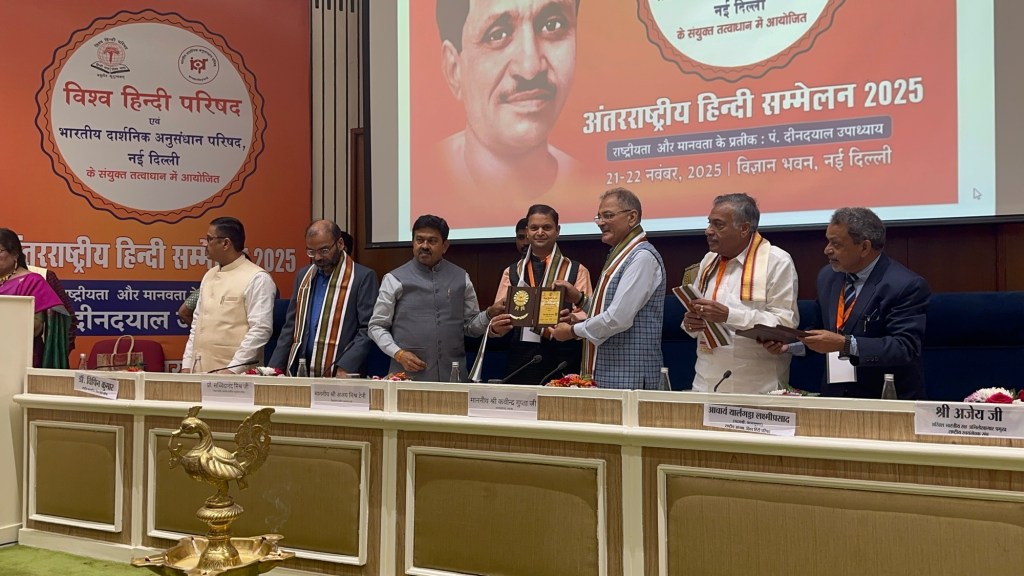
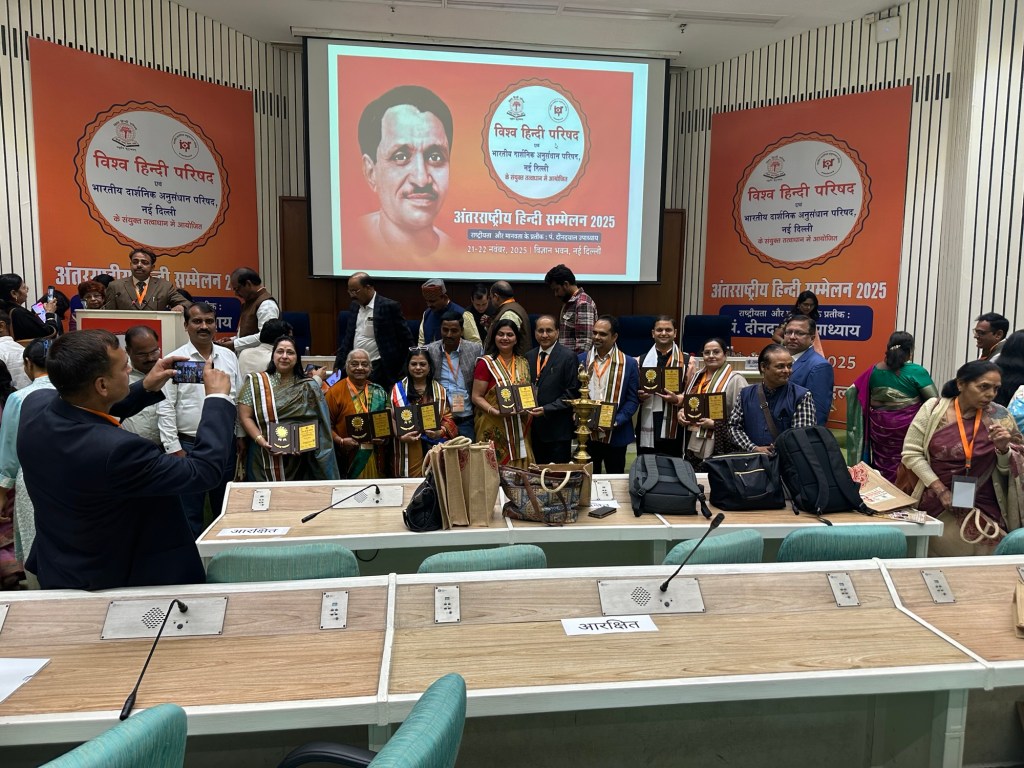
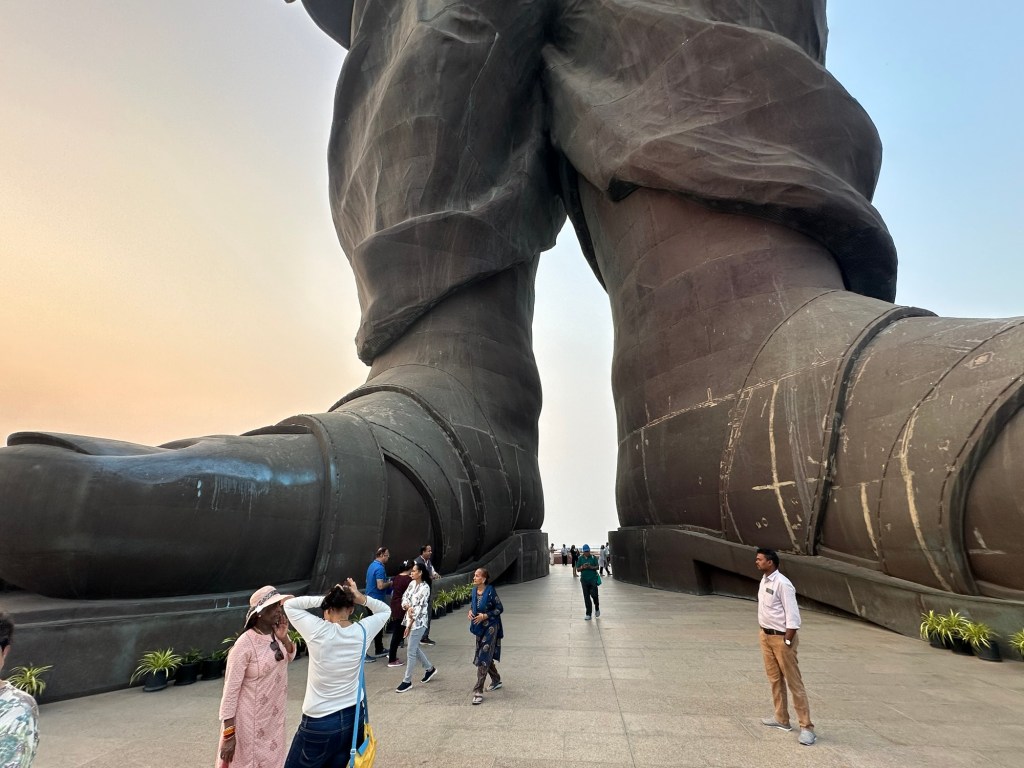
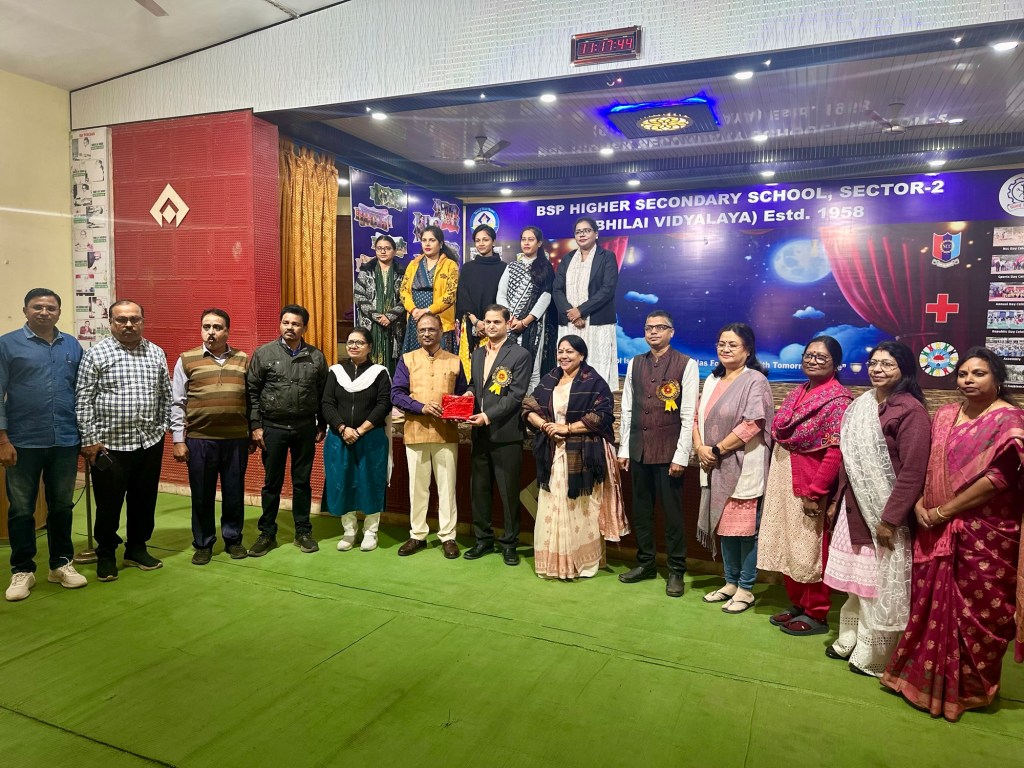
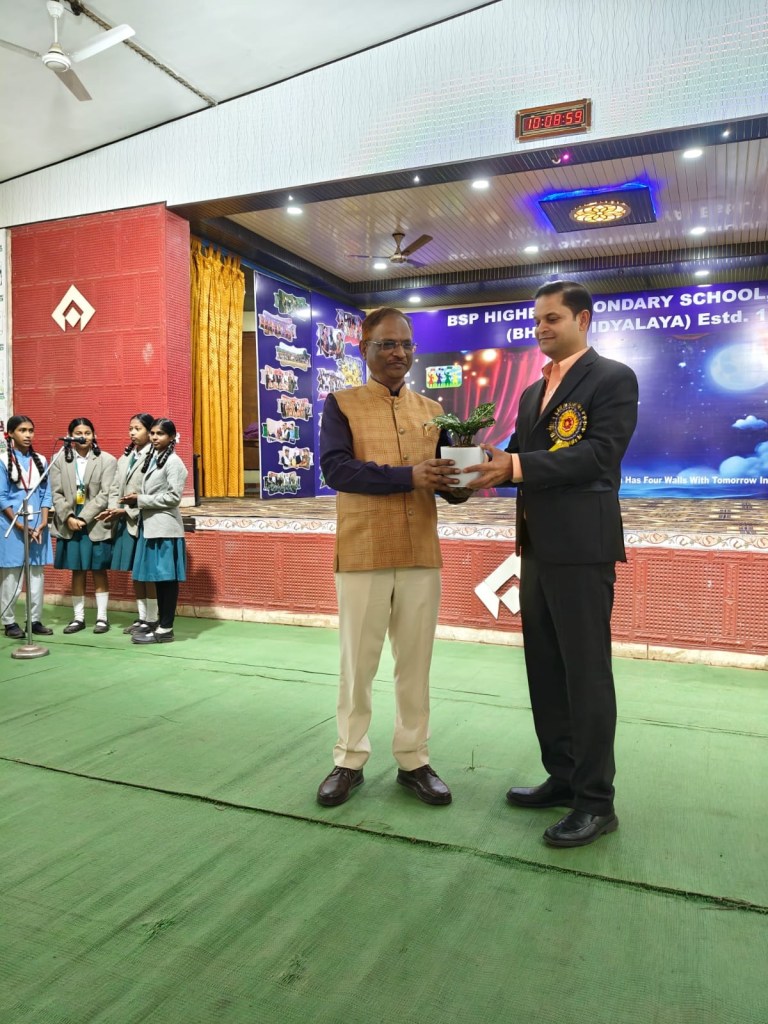
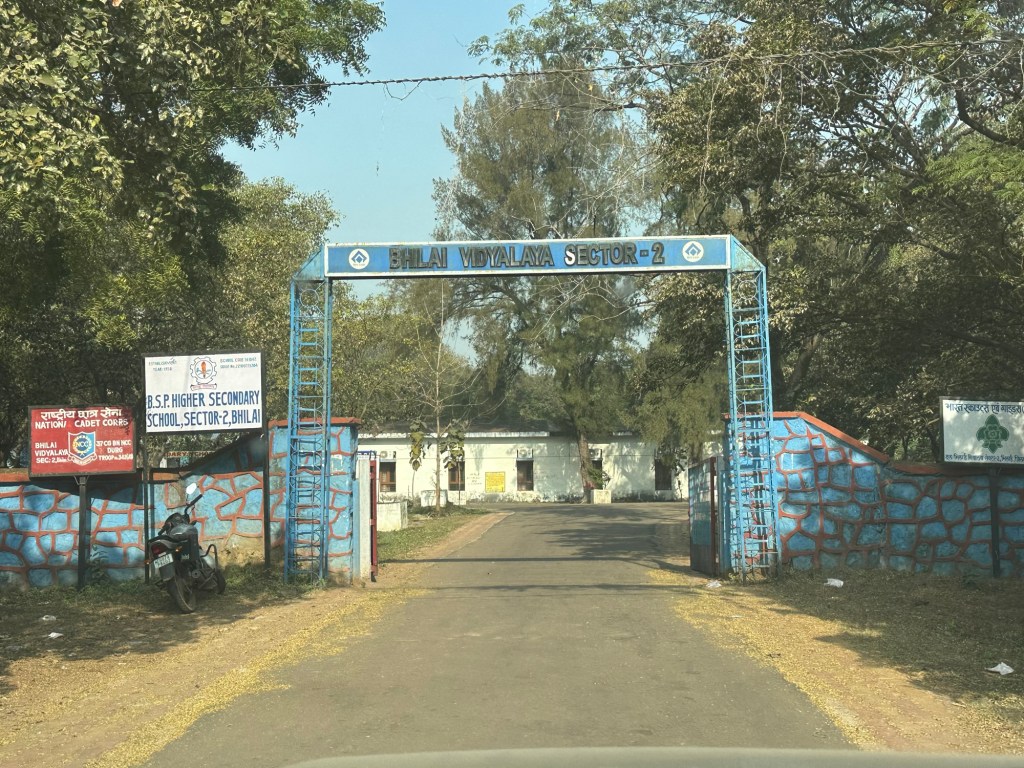
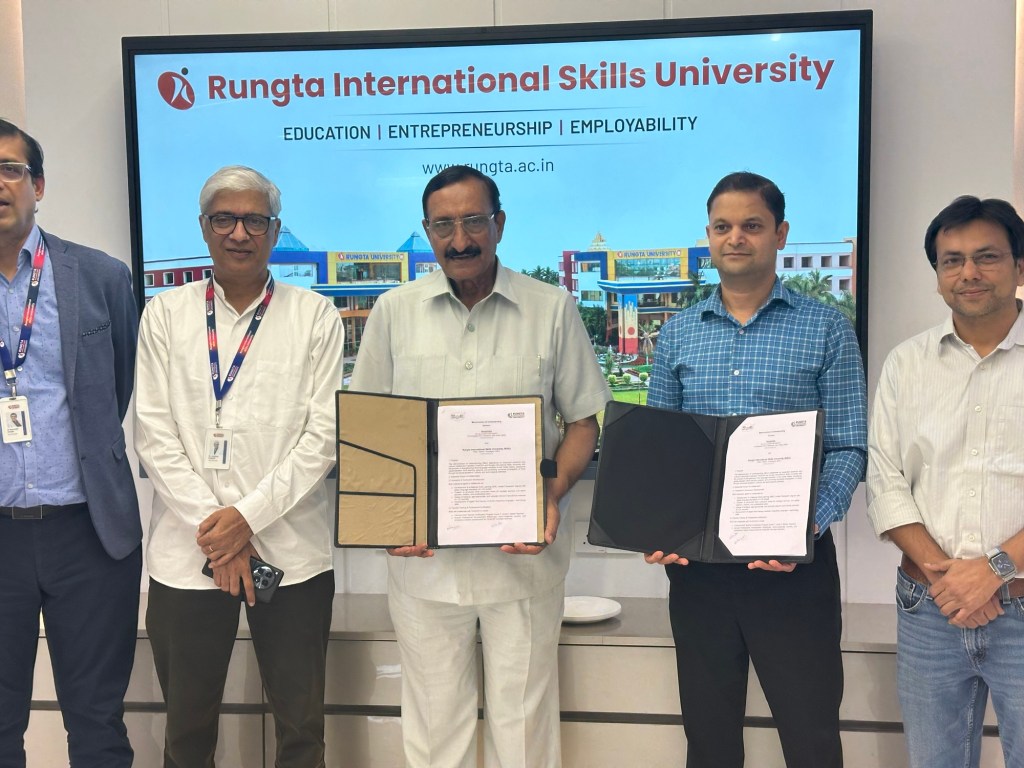
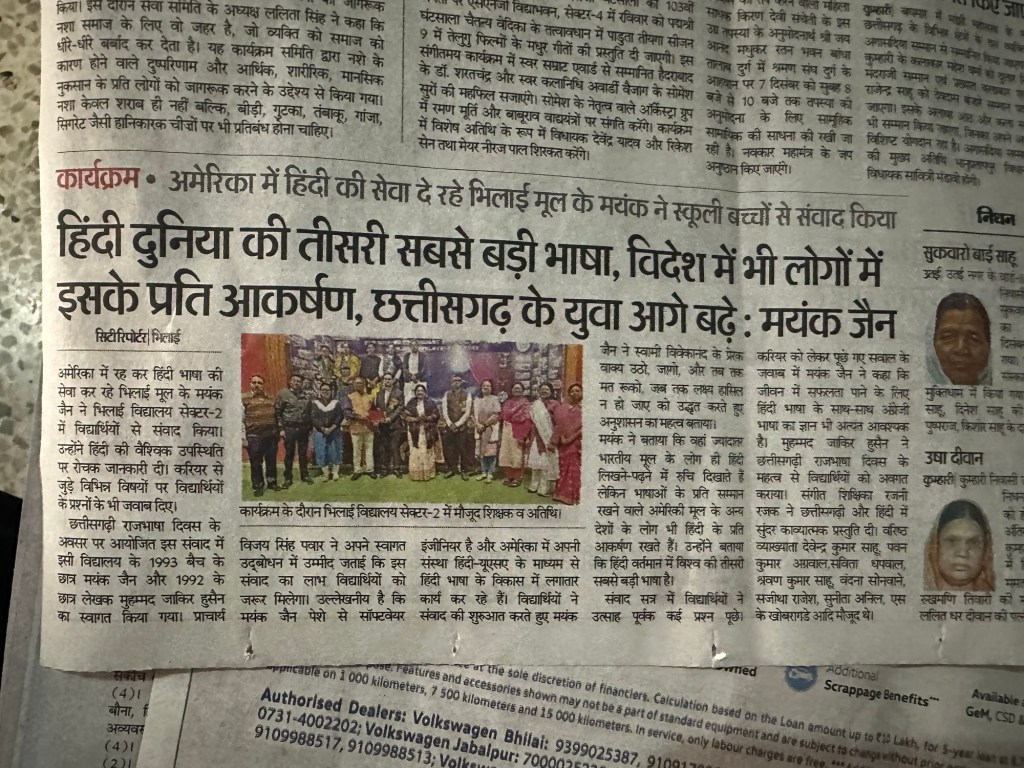
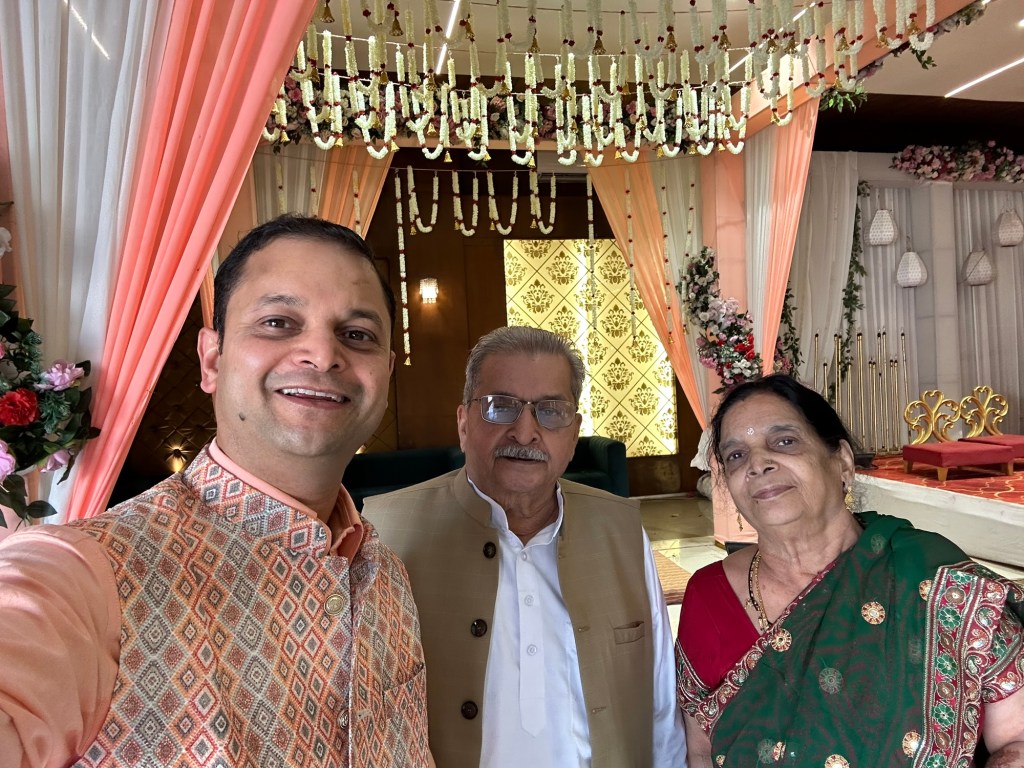
Attended wedding, addressed students at my high school, met with local journalists, signed a memorandum of understanding at Rungta University, was interviewed by a YouTuber and spent time with family!
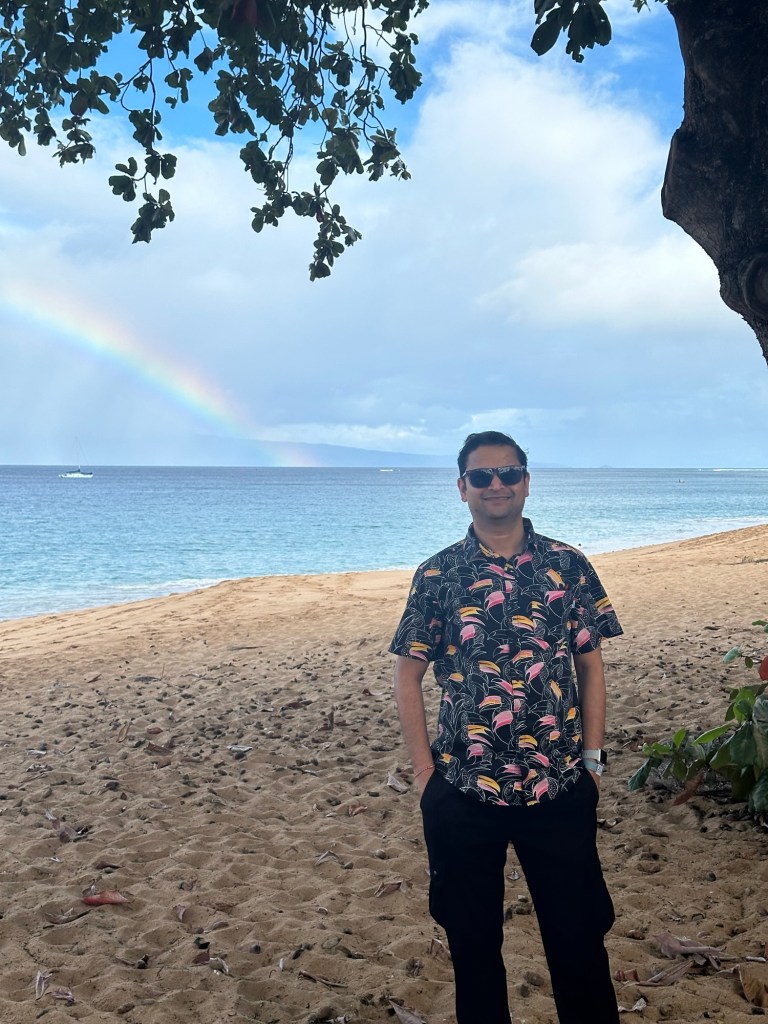
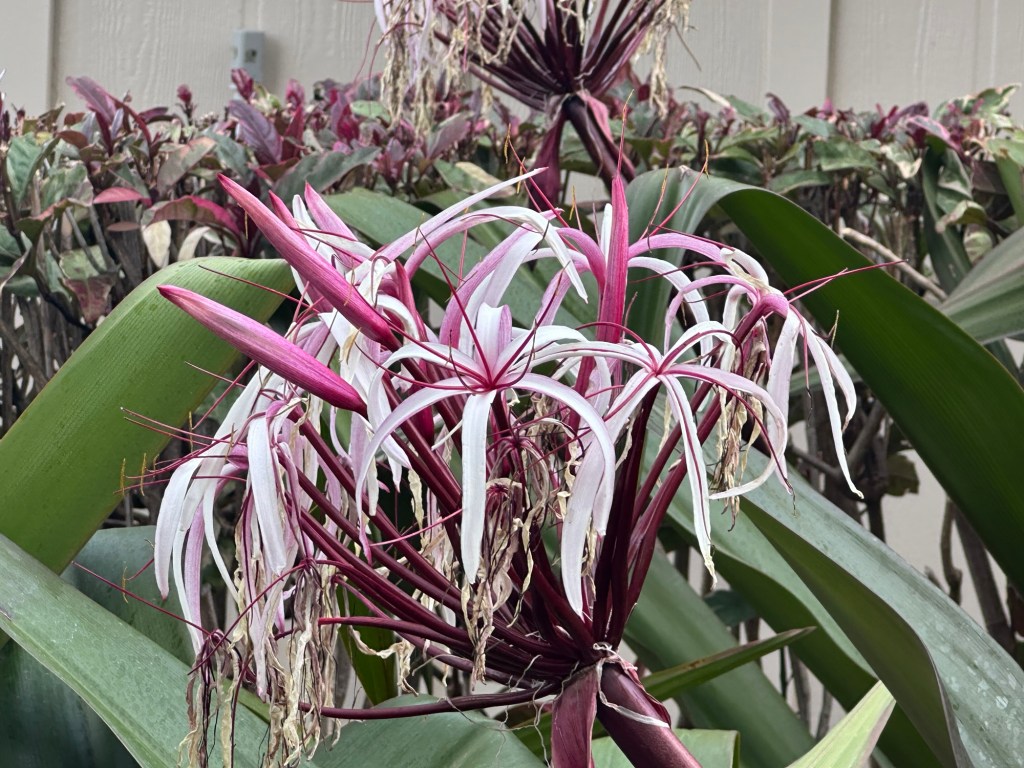
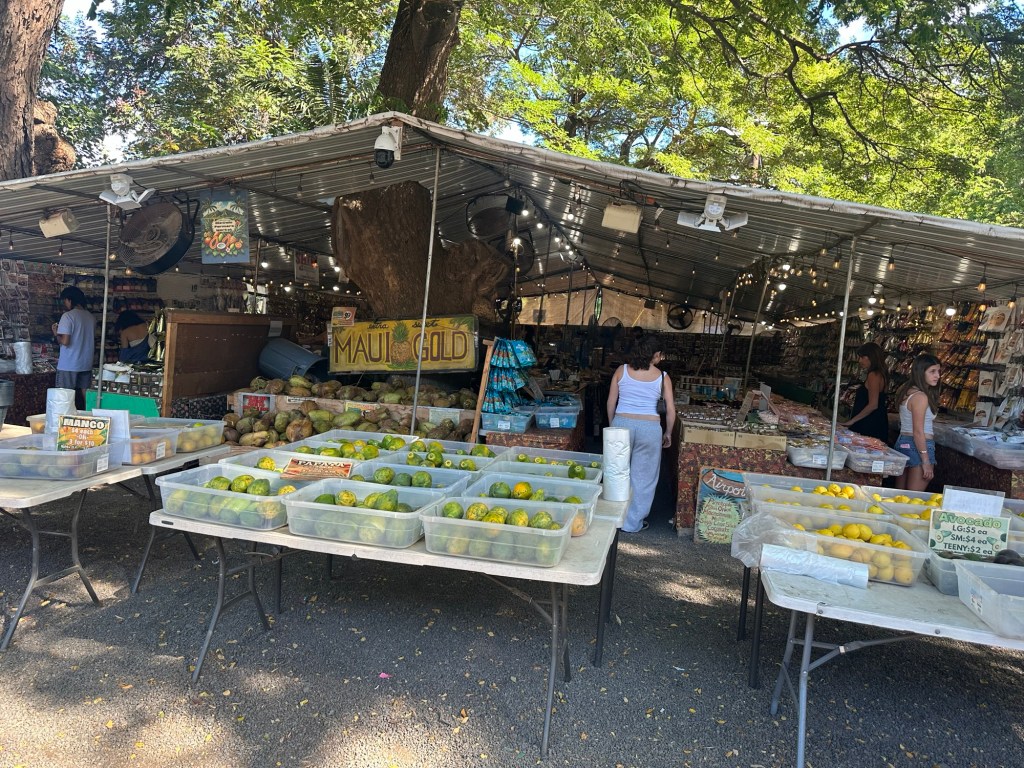
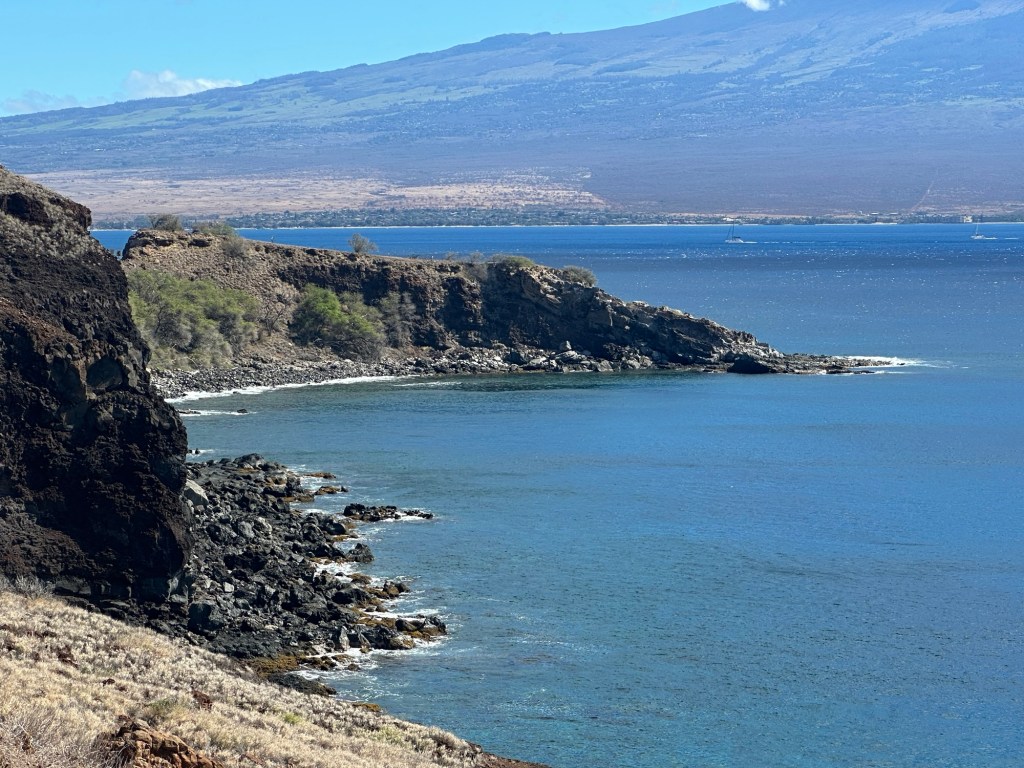
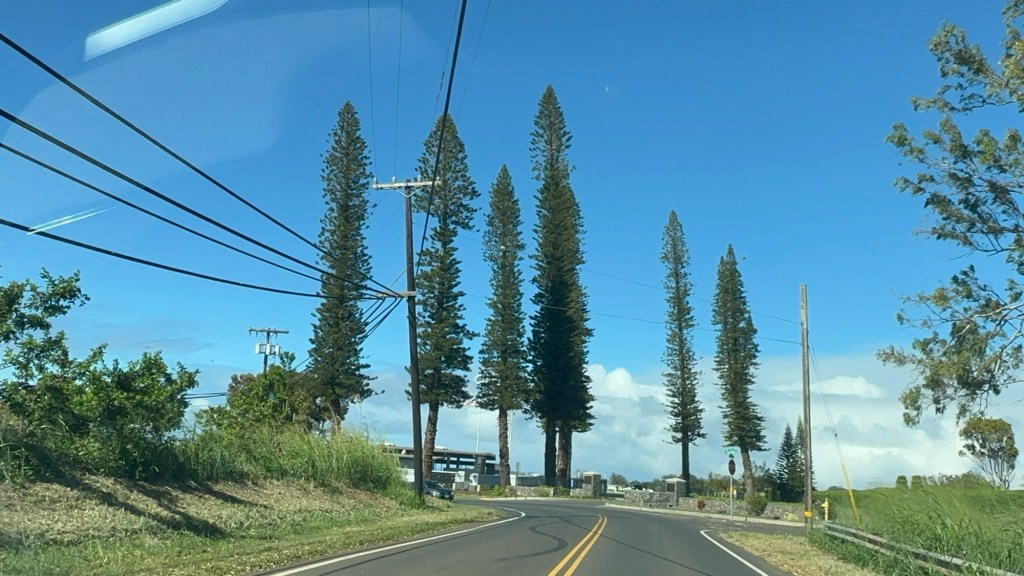
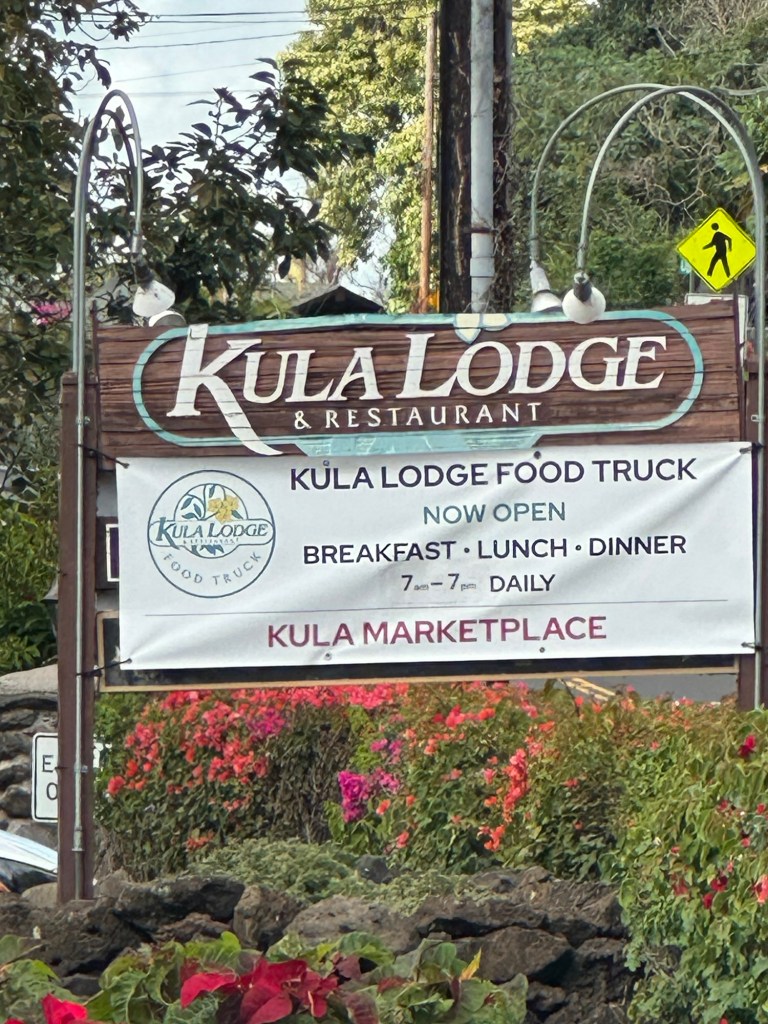
It was our 2nd trip to Hawai! Maui is one of the most visited island of Hawai and its natural beauty is beyond words! In a single island one can experience dry as well as rain forest!
By drive it’s just 3 hour from east to west! During 4 day trip, we hired a local Hawaiian taxi driver to take us around ! We stayed on the western side of the island where there’s most of the good resorts and eating places!
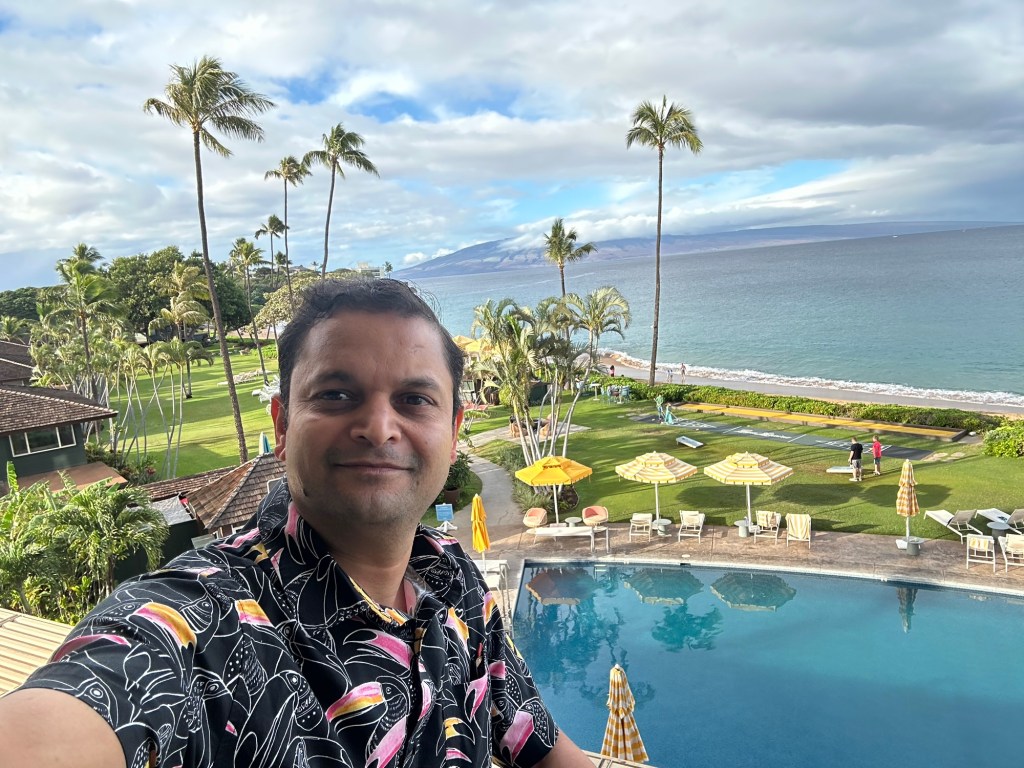
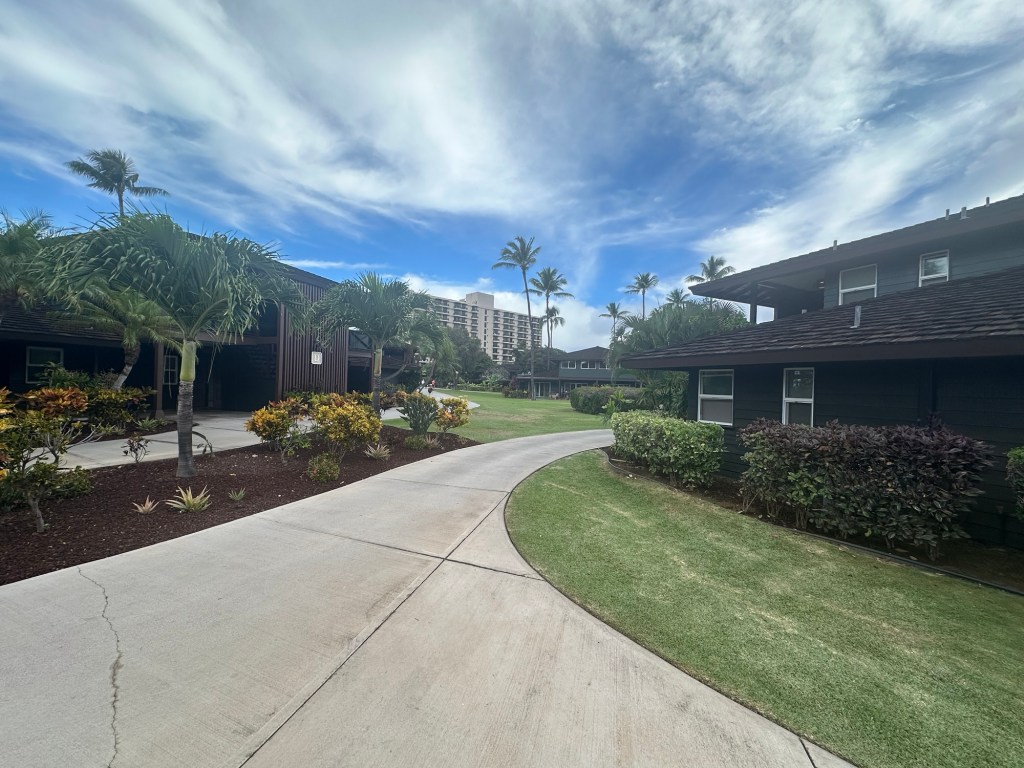
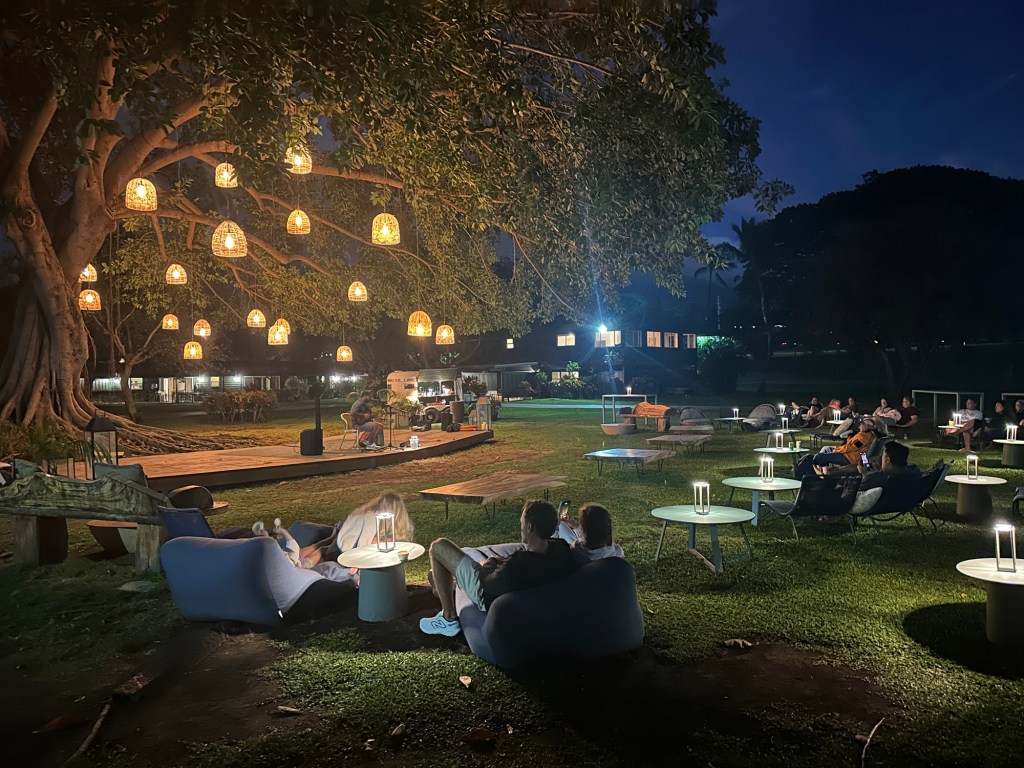
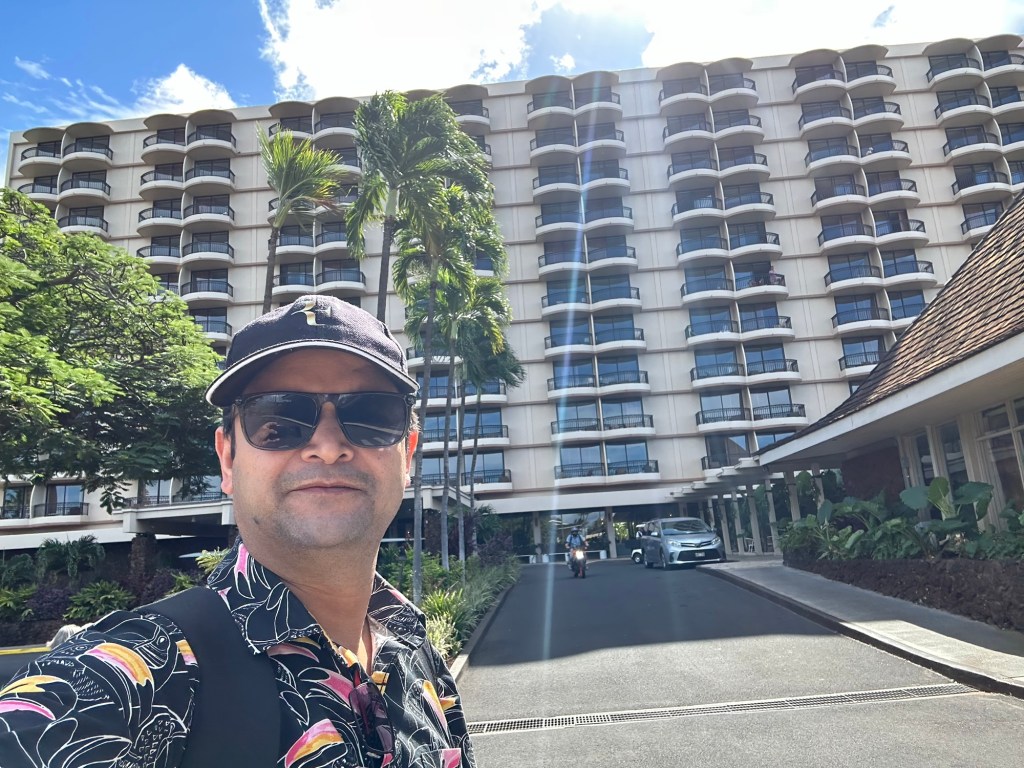
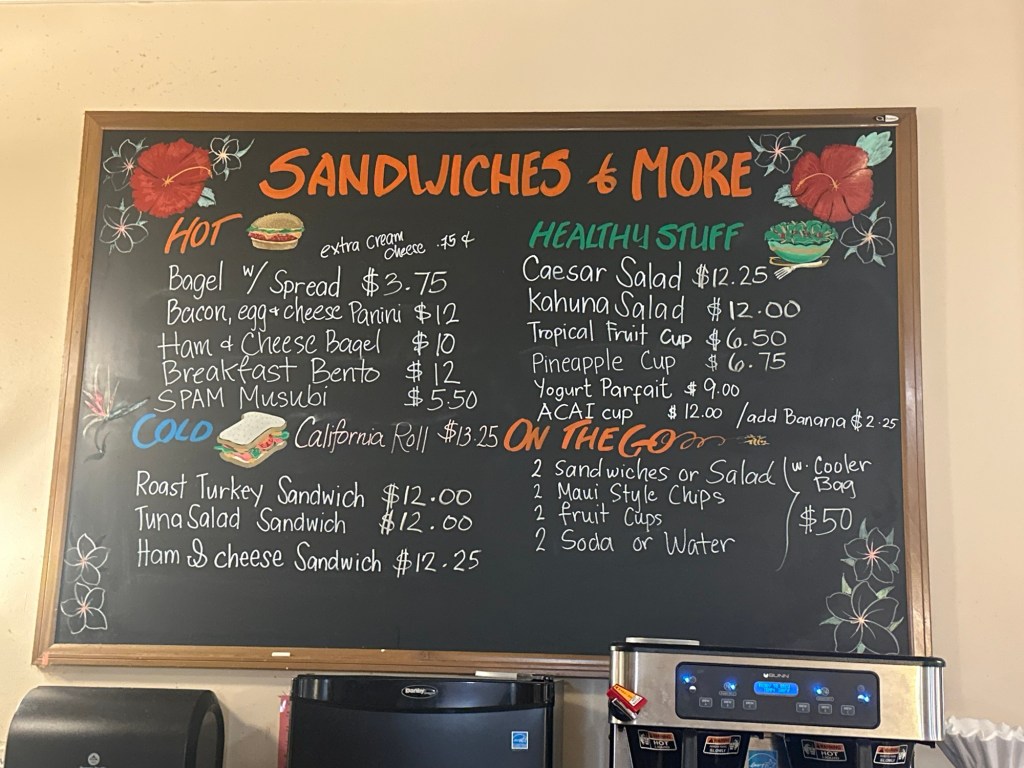
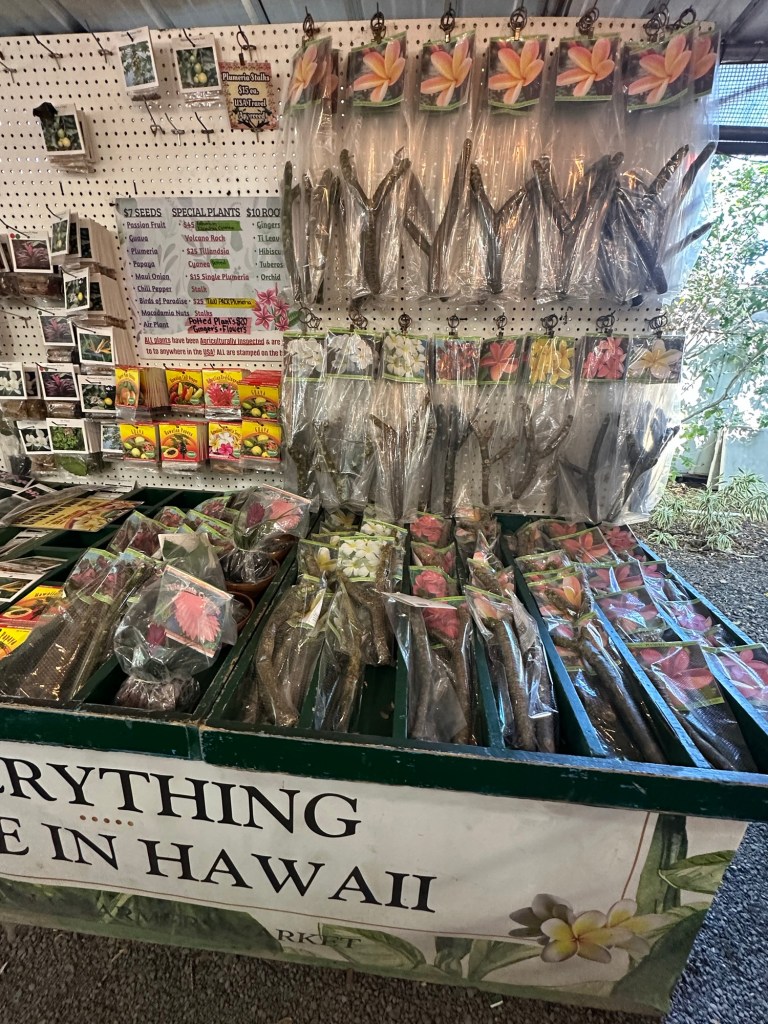
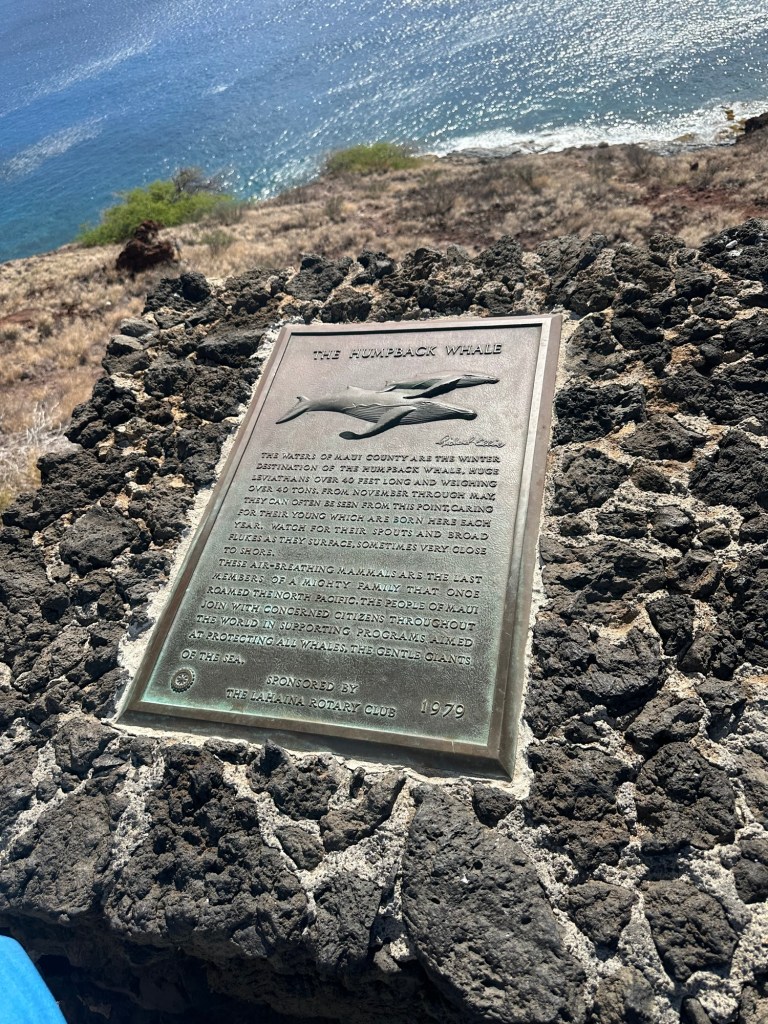
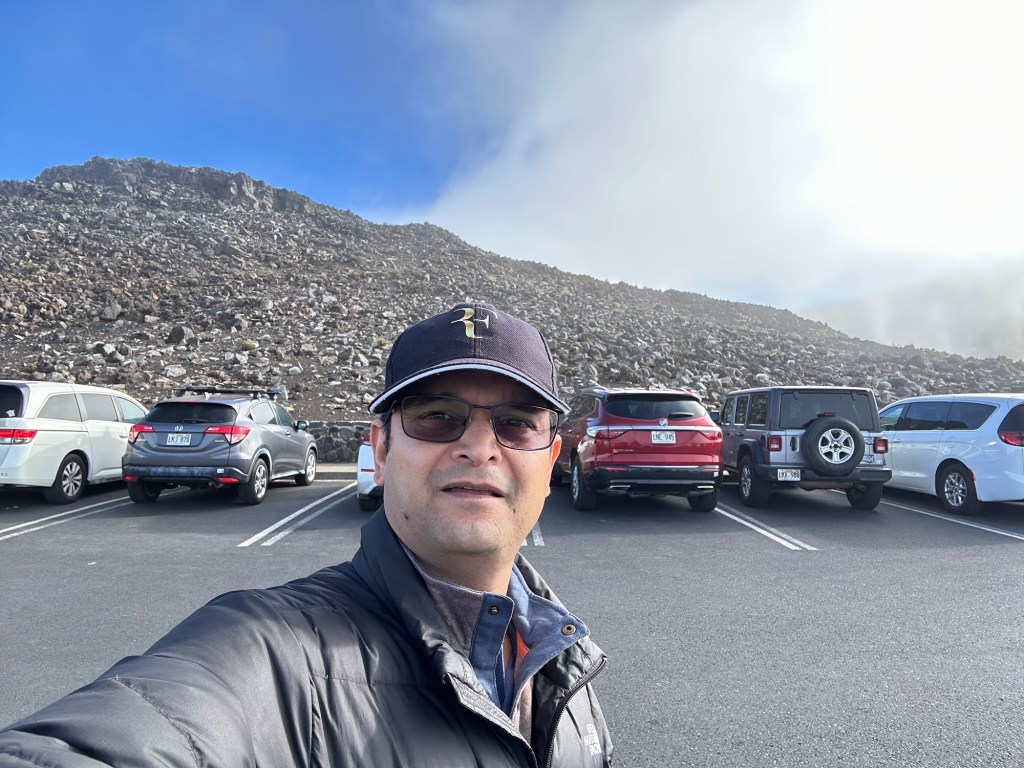
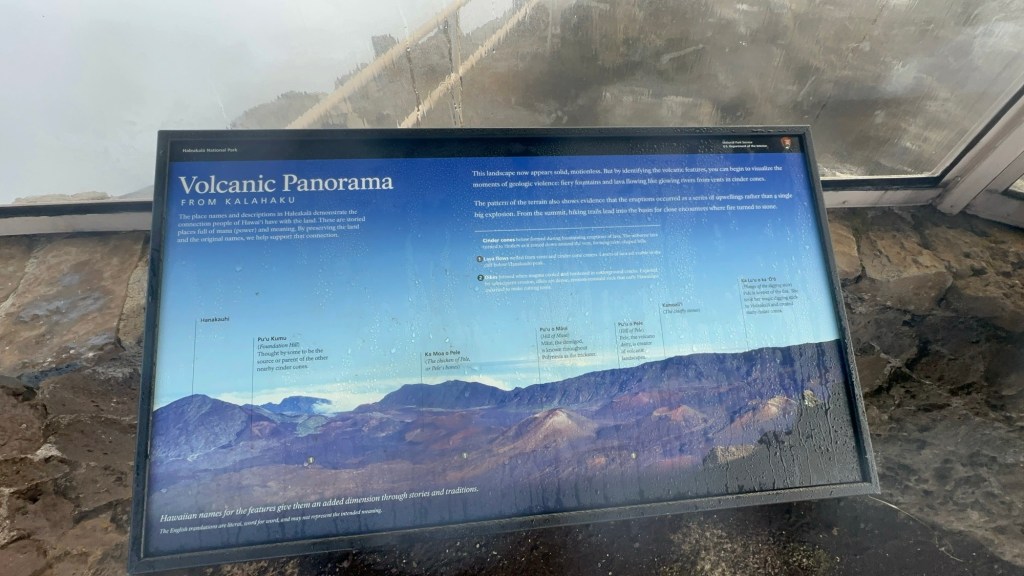
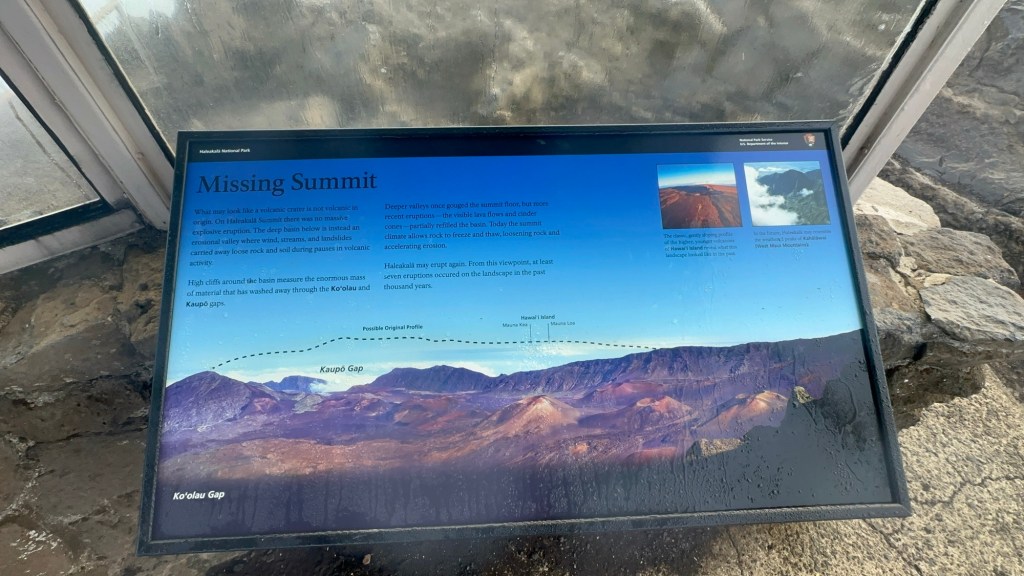
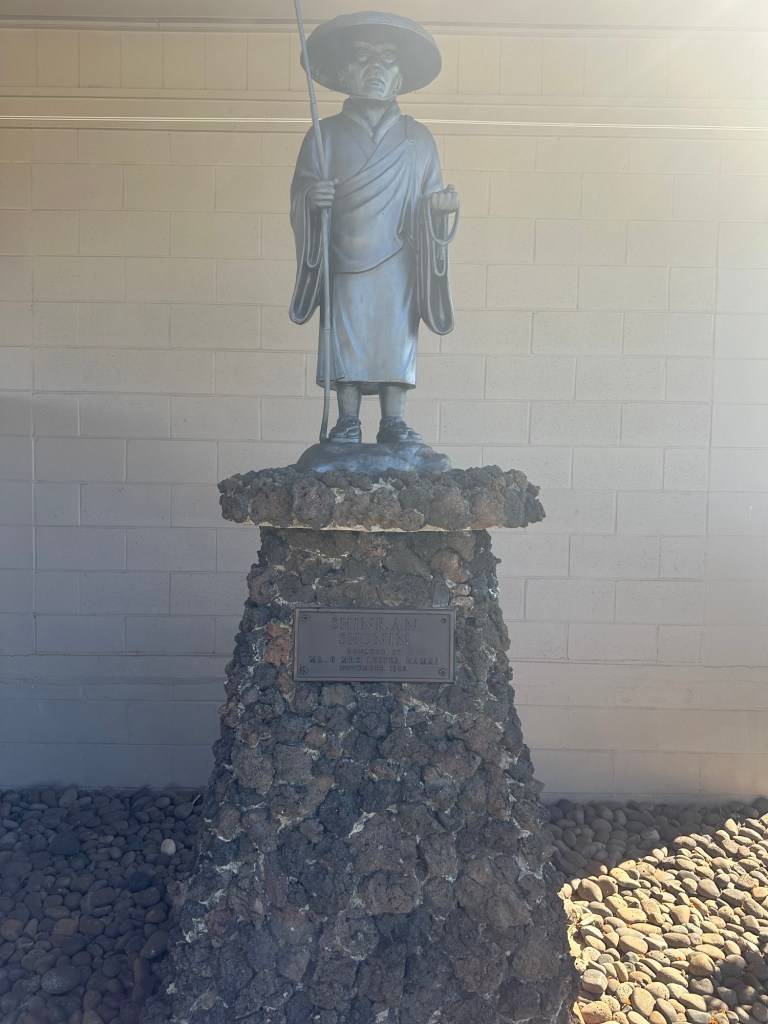
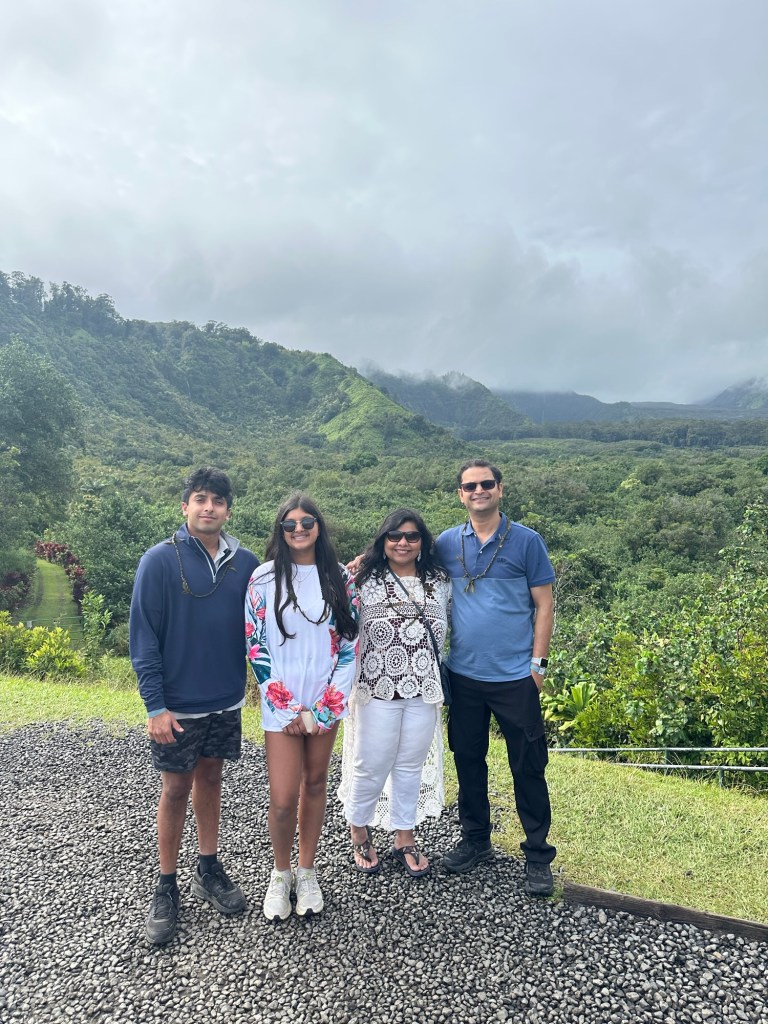
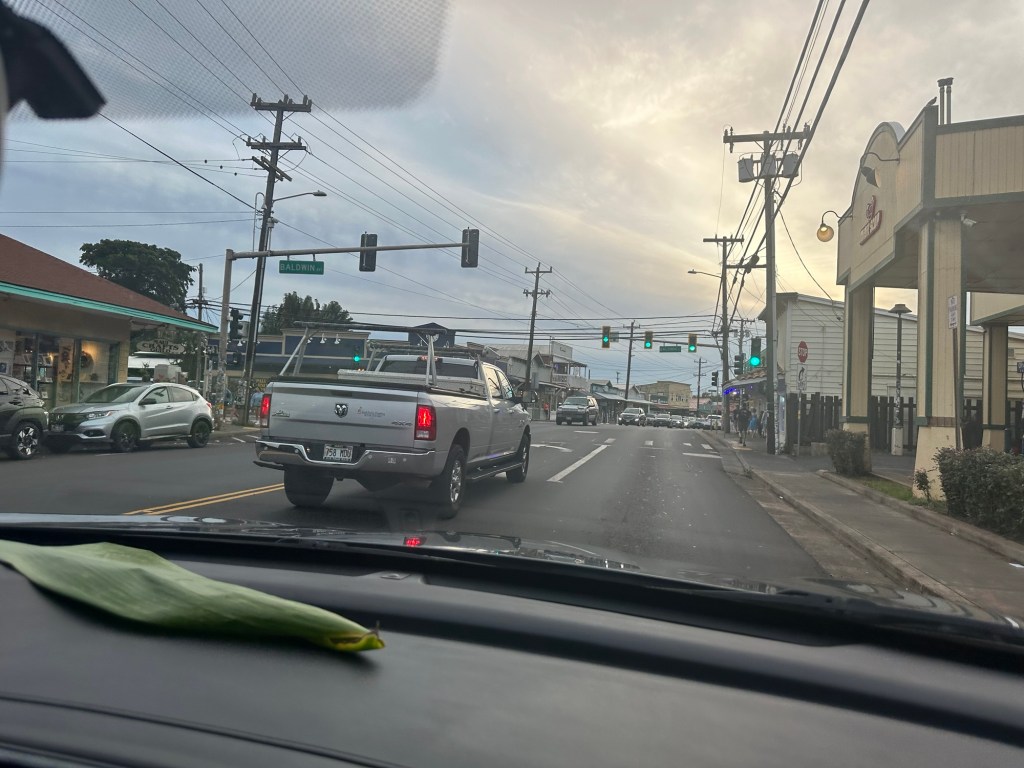
Here some pics of our trip!
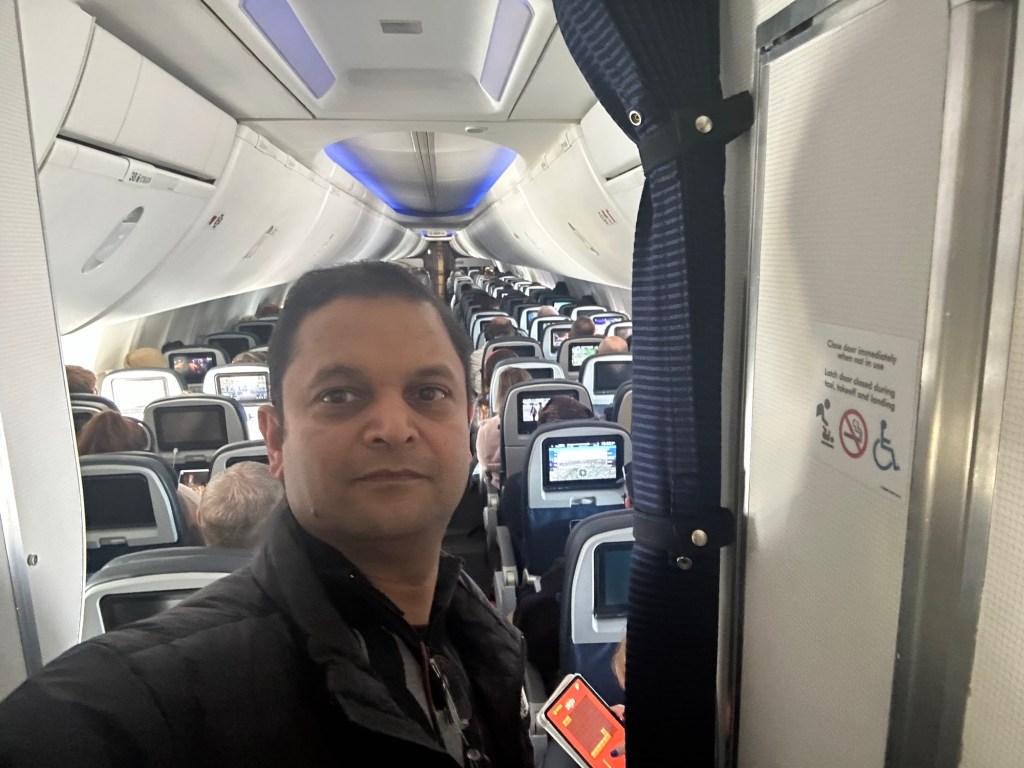
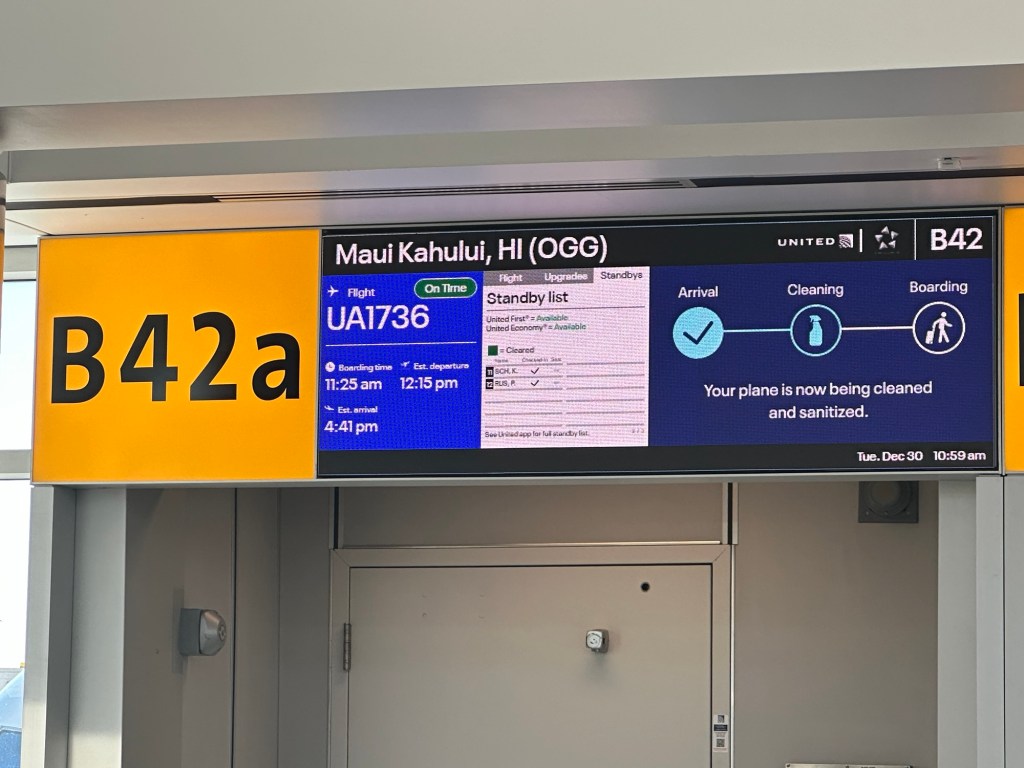
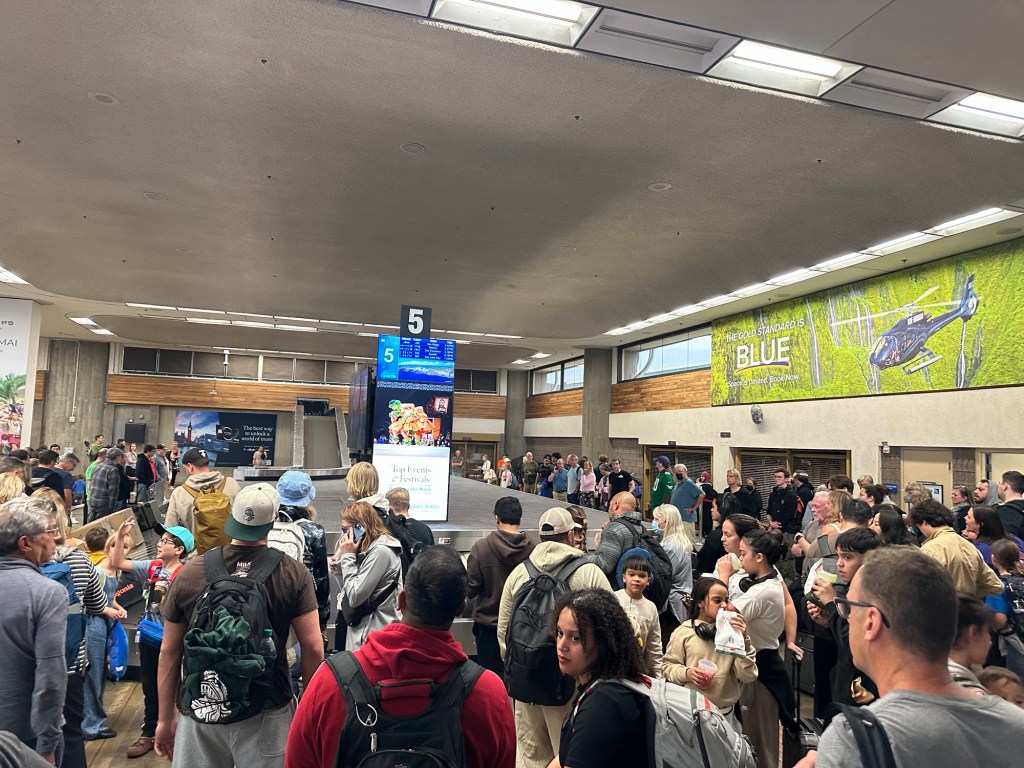
Here some pics of the air craft and Maui airport!
Airport was much smaller and felt like a open air/ bus station! I liked the fresh air and small airport!
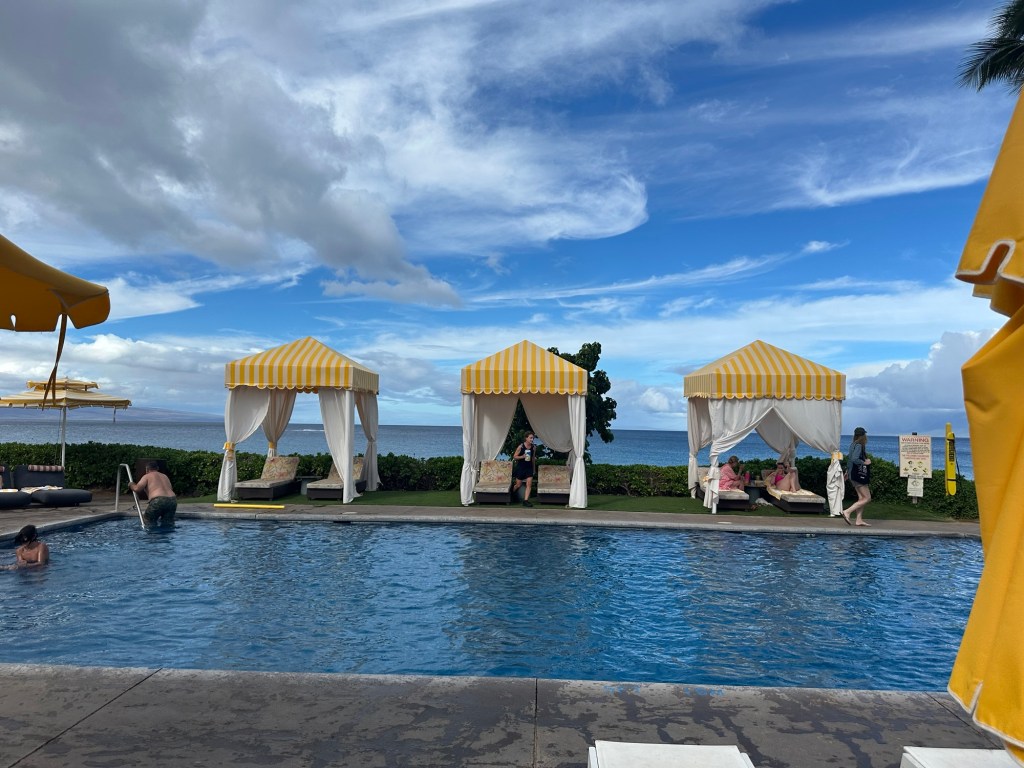
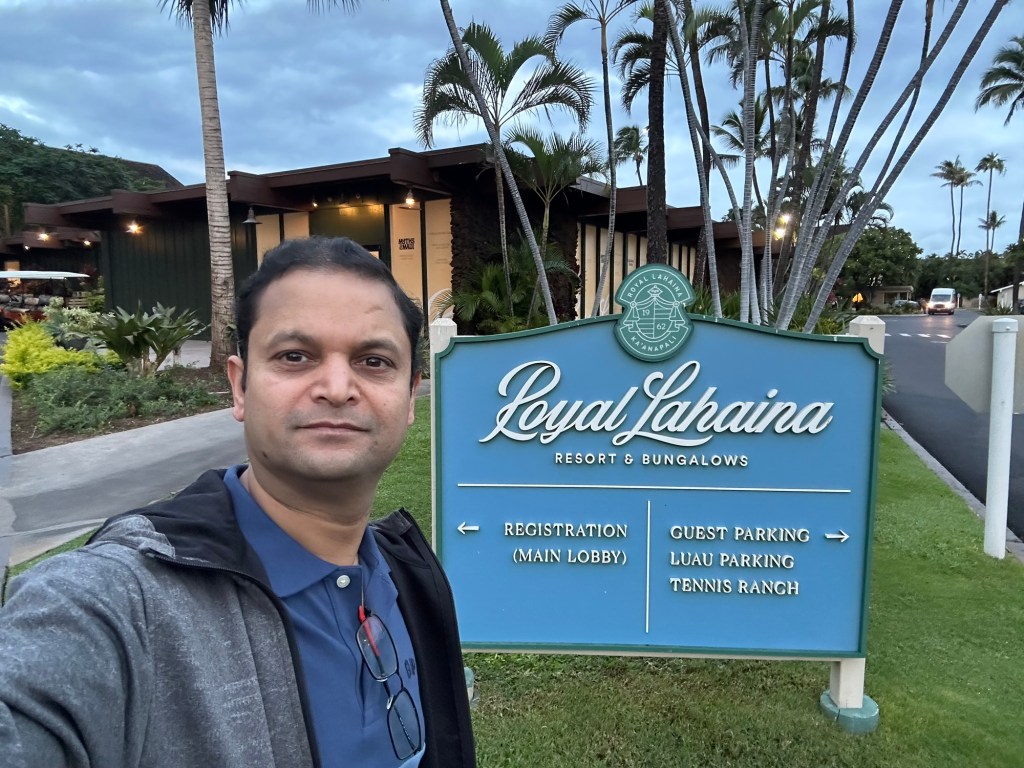
Day 1: Exploring the resort! It was located on the beach 🏖️ , we walked around, and enjoyed experiencing serene atmosphere! One can experience cleanest beaches in the world.. right there in Maui!
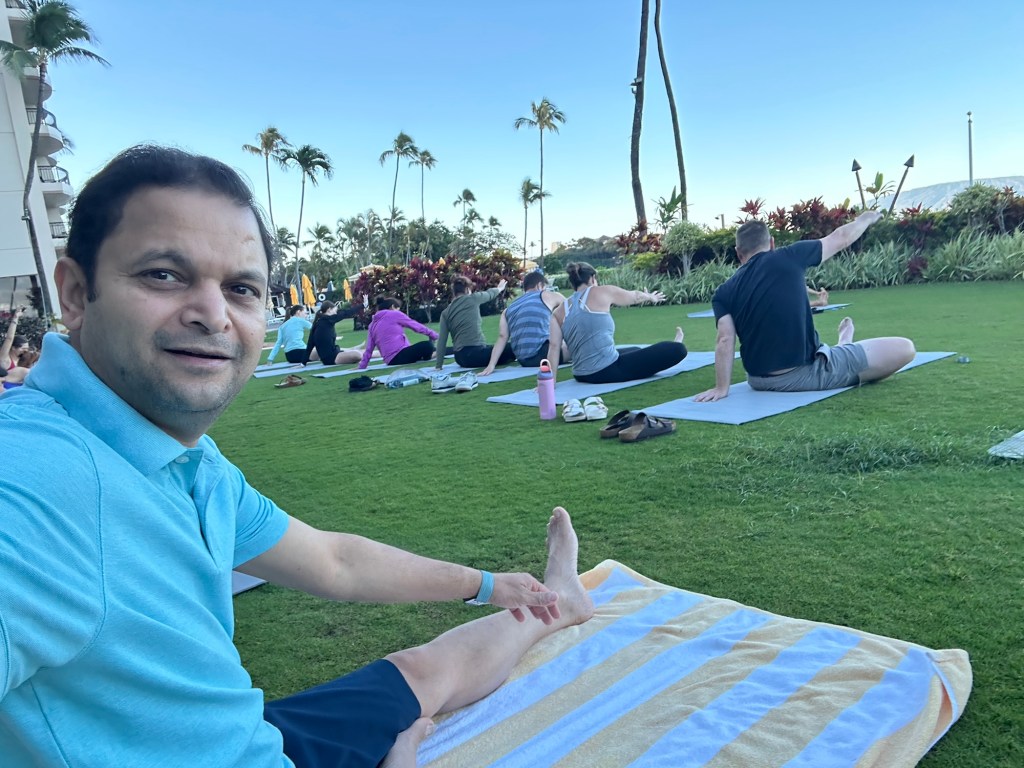
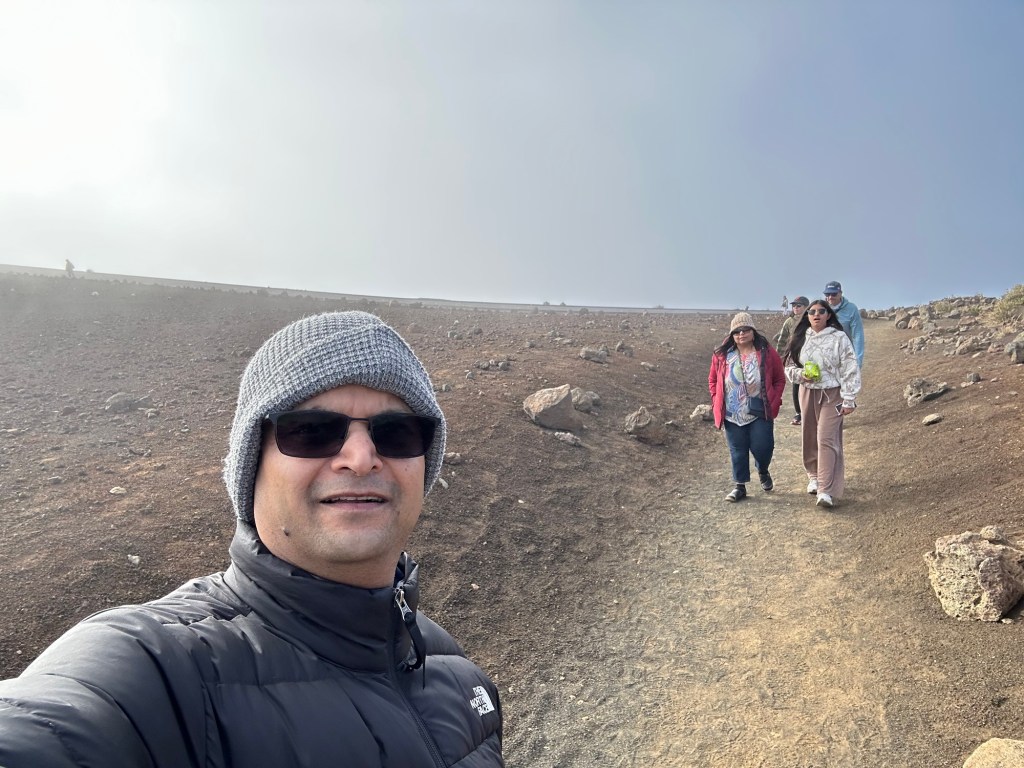
Day 2: After a morning Yoga, we drove to a mountain trip where we could experience cloud below us from the top of the mountain!
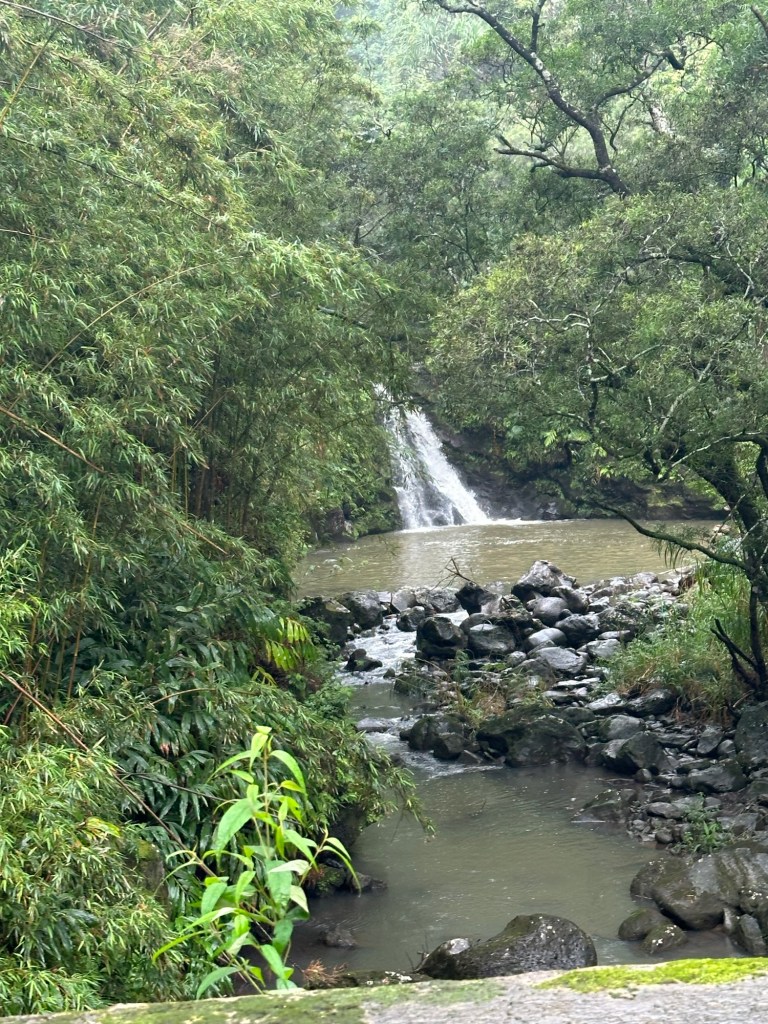
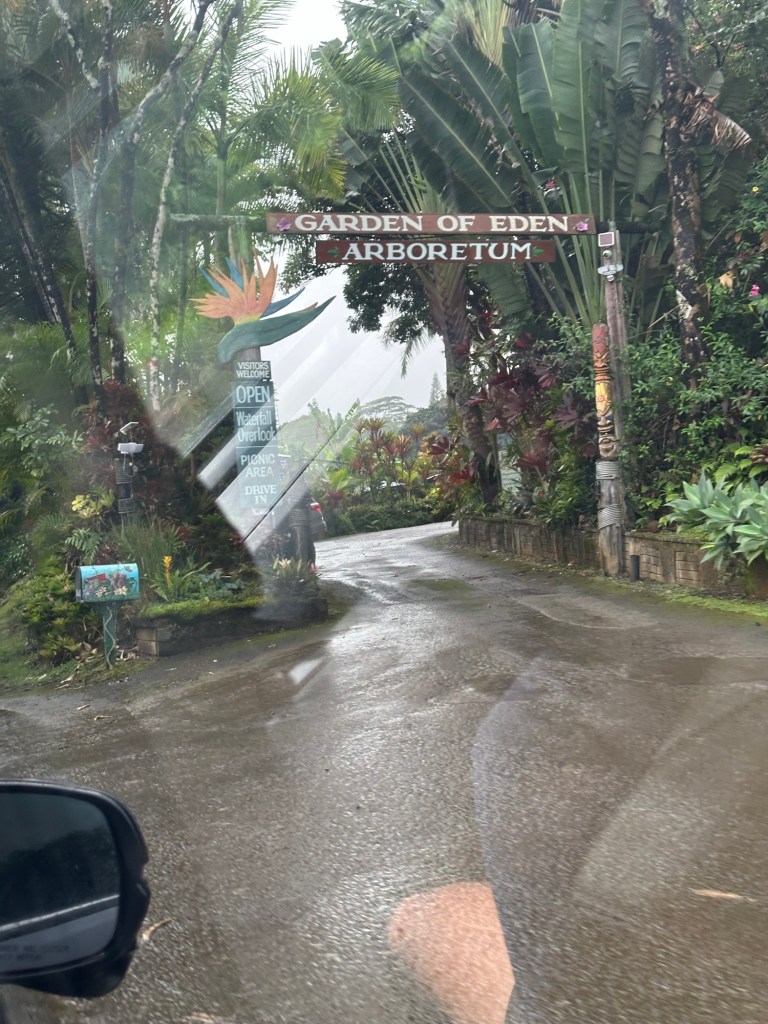
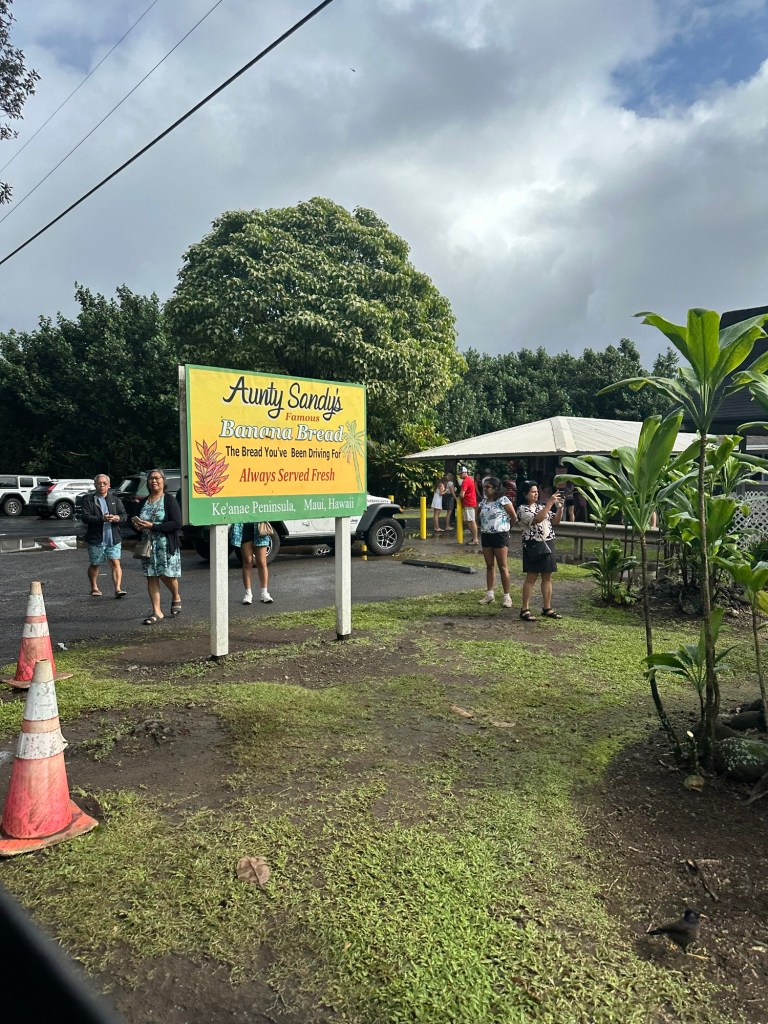
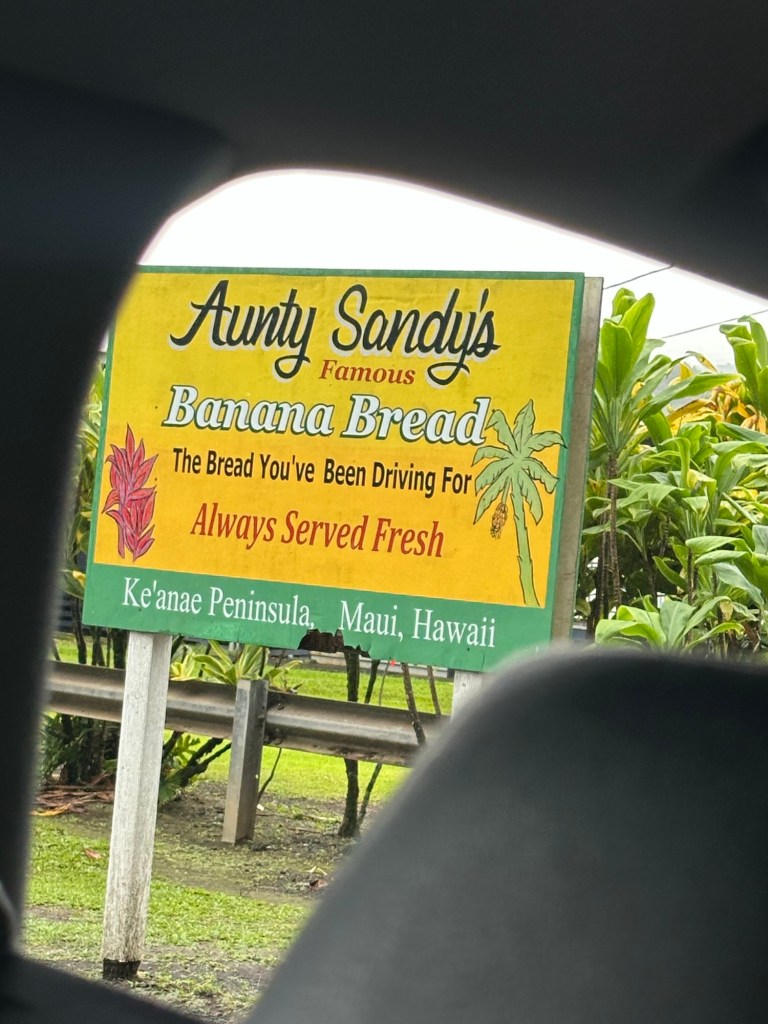
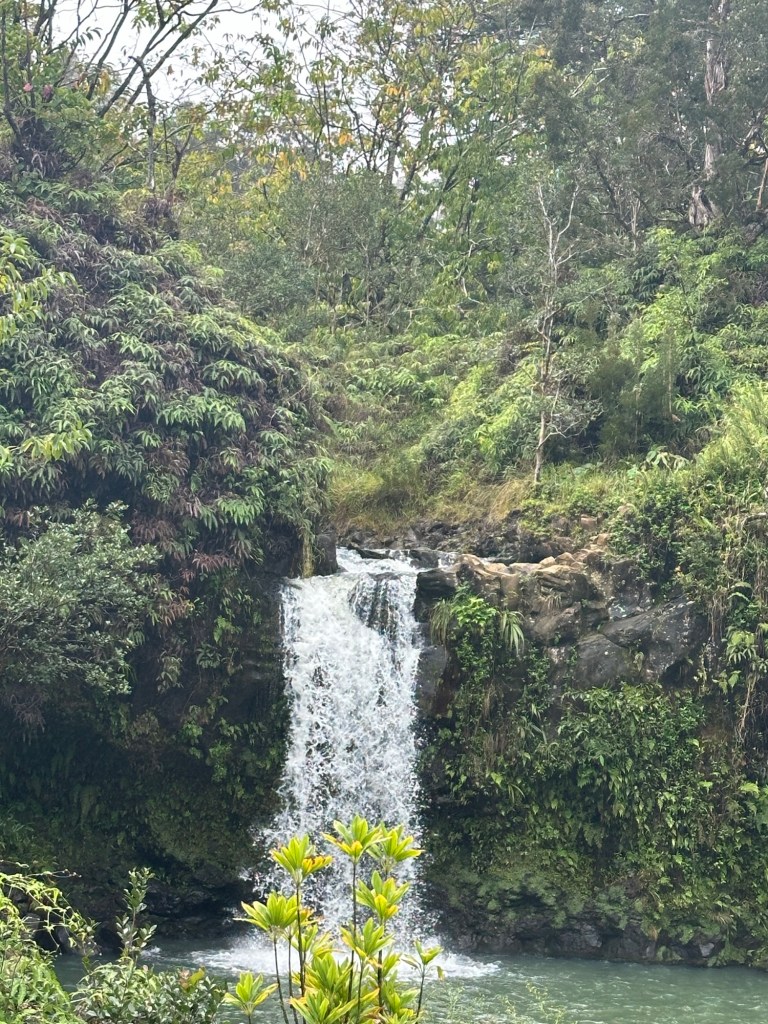
Day 3: Road to Hana!
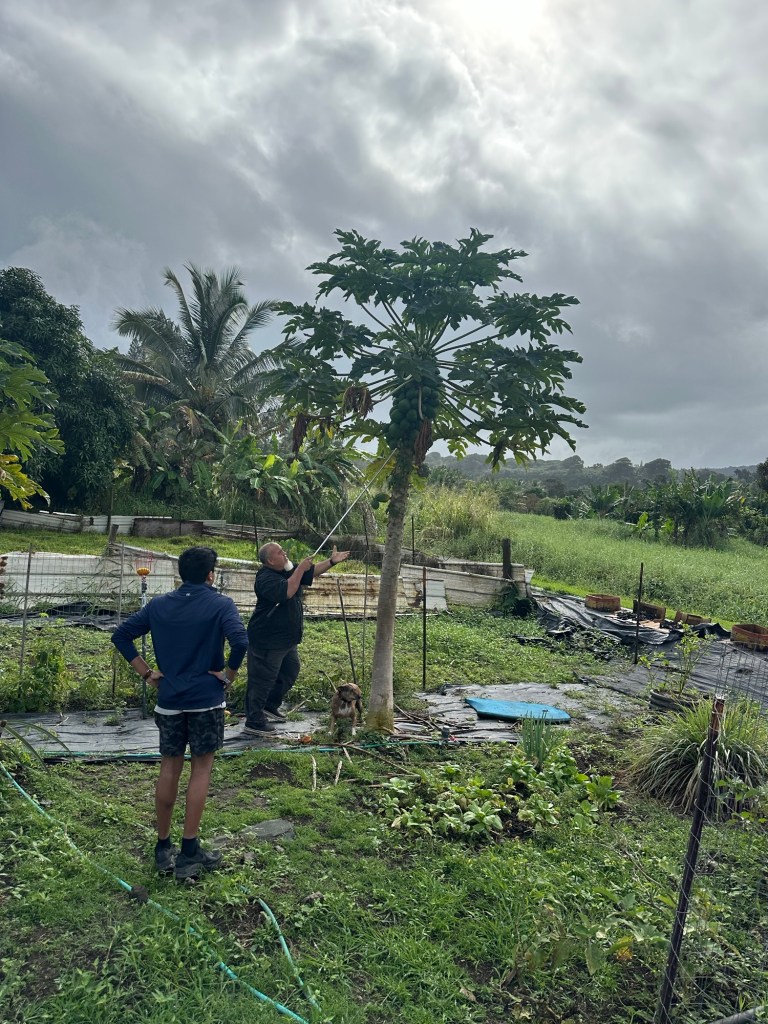
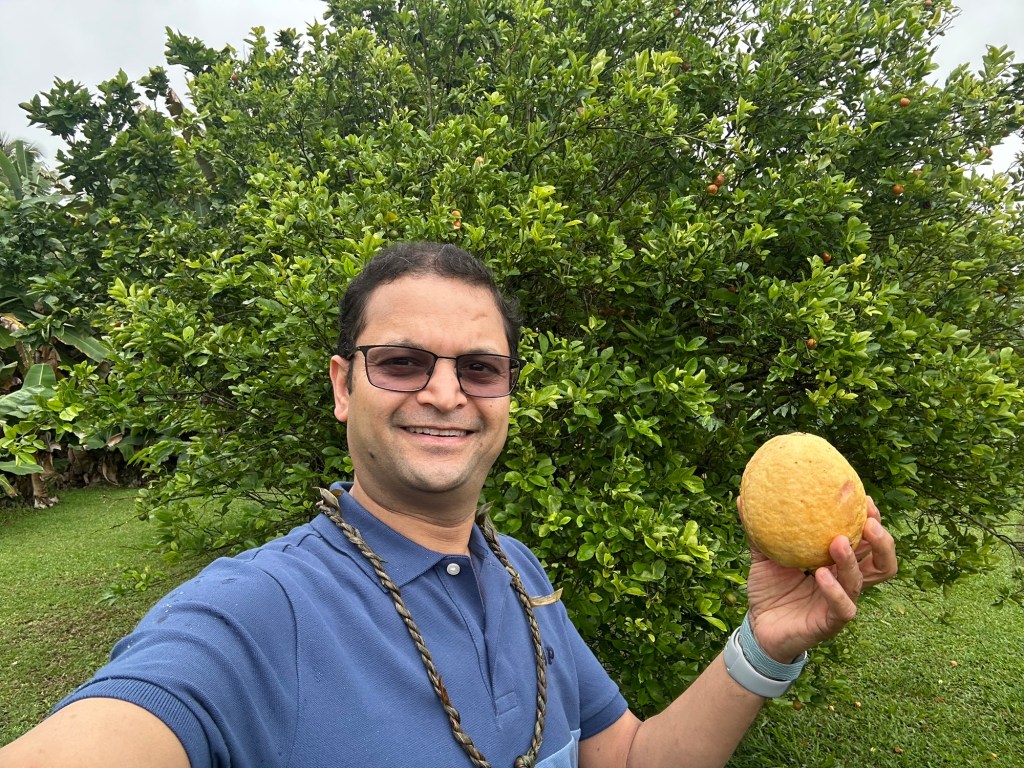
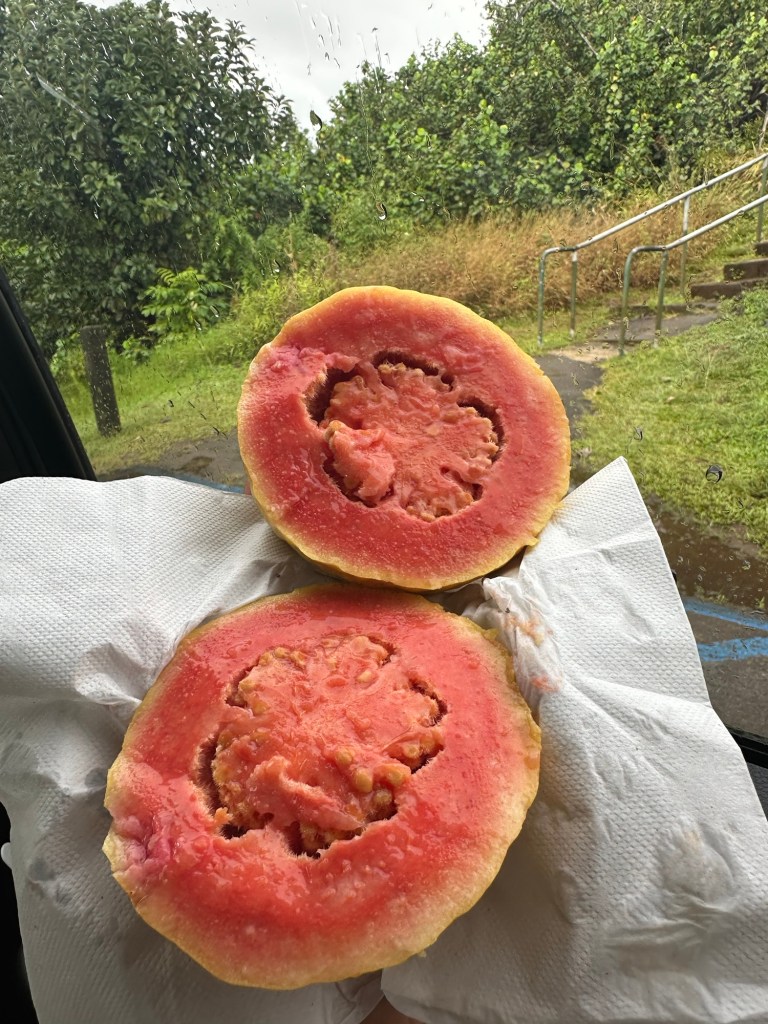
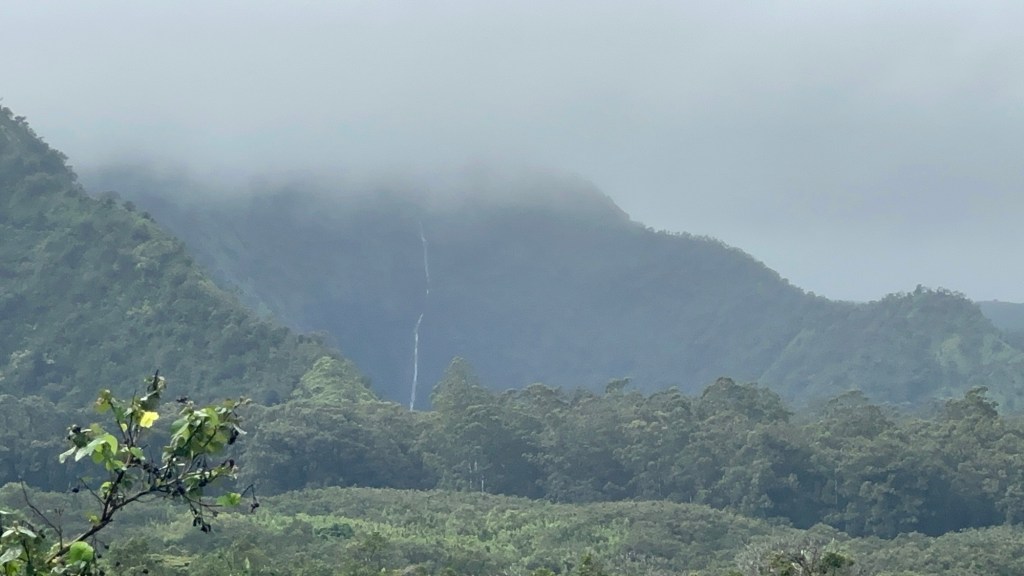
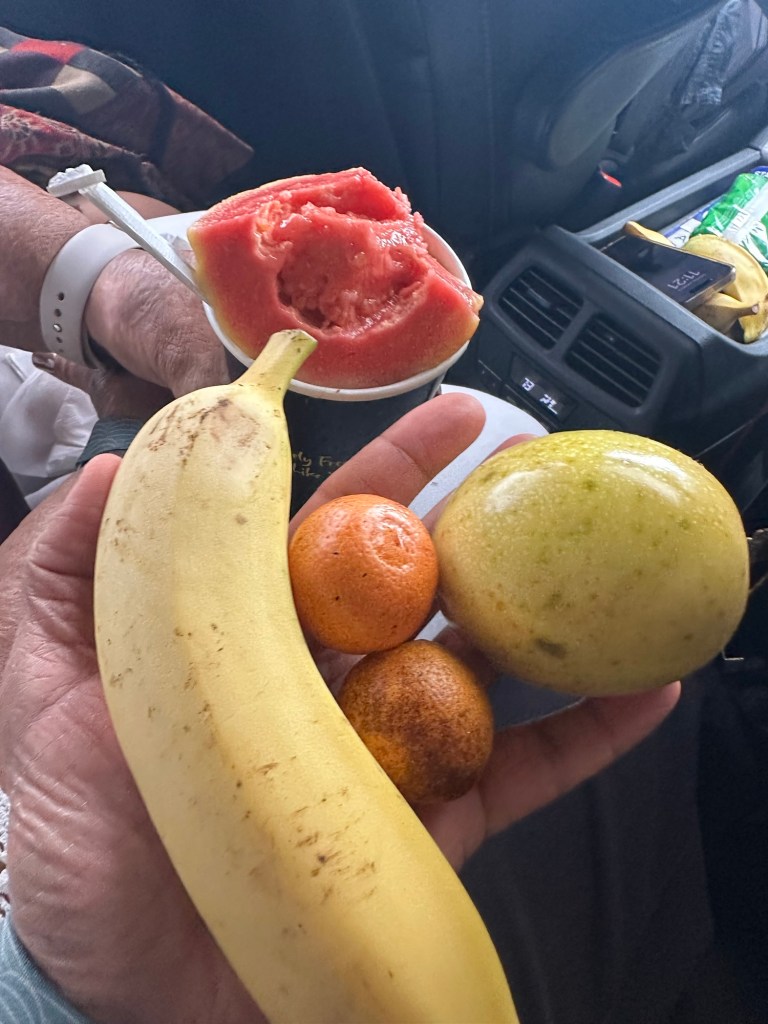
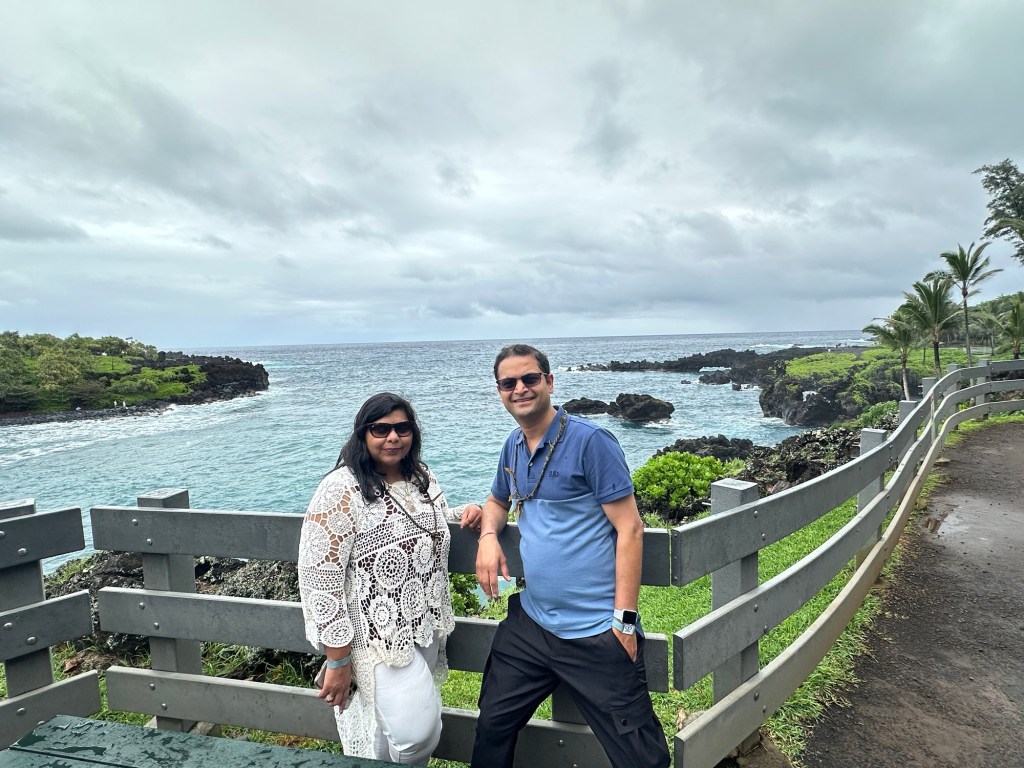
We enjoyed one of the most fun ride in valley from we went from west to east! Our taxi driver even took us to his home/ farm and shared lots of fresh fruits!
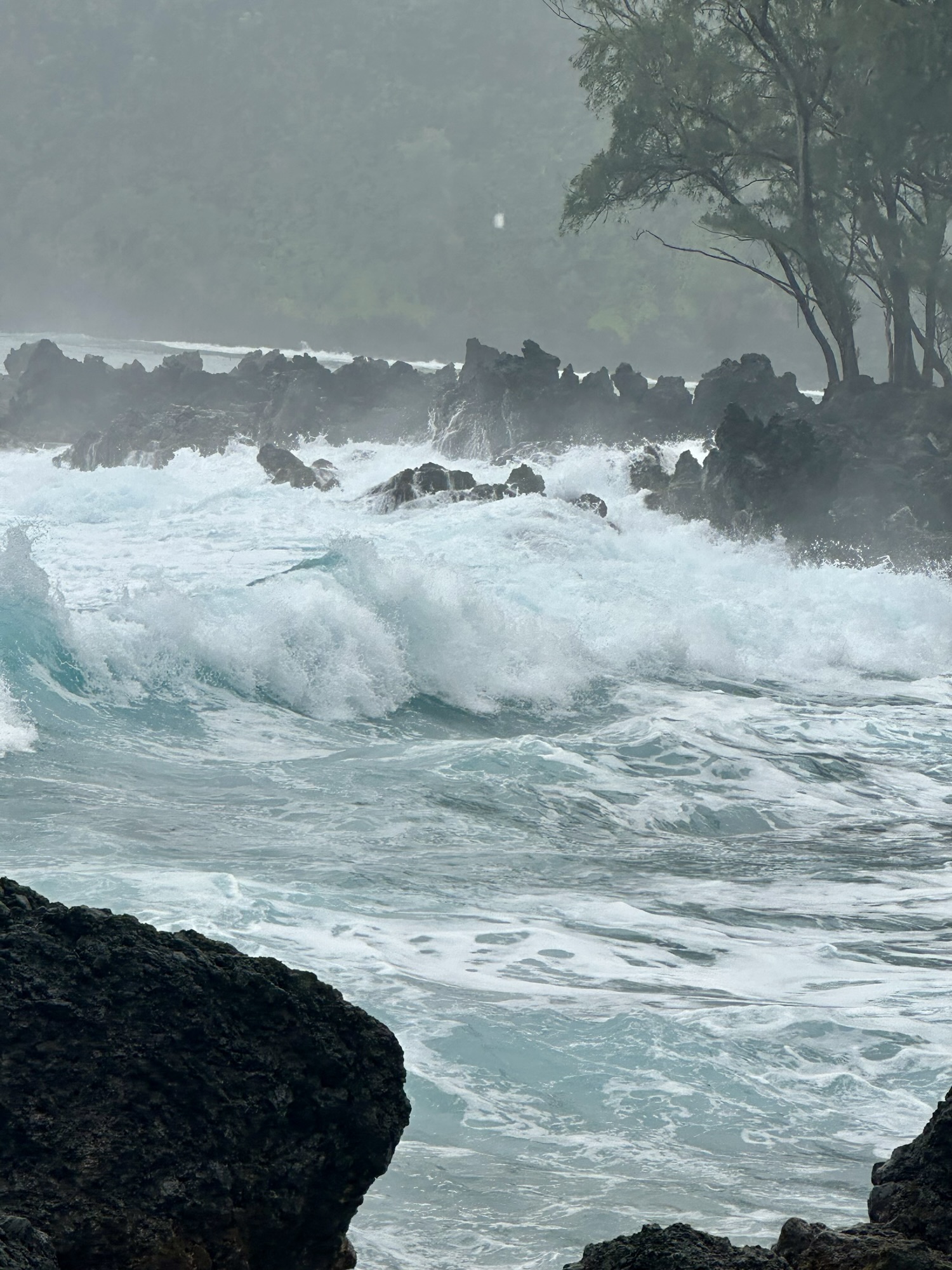
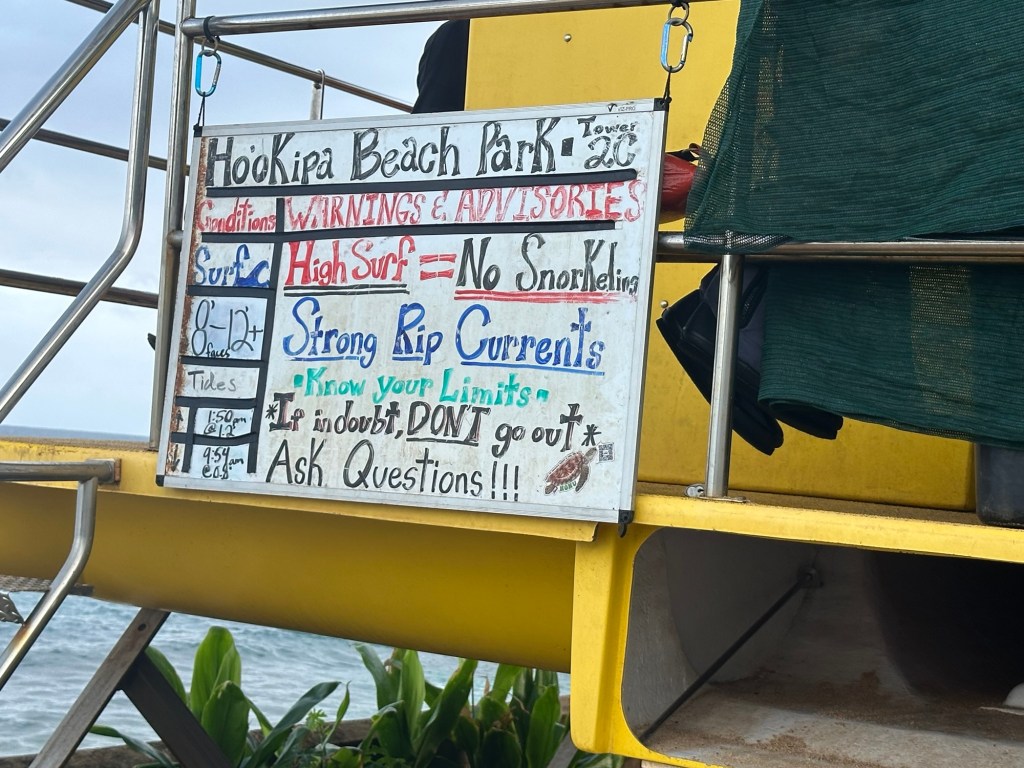
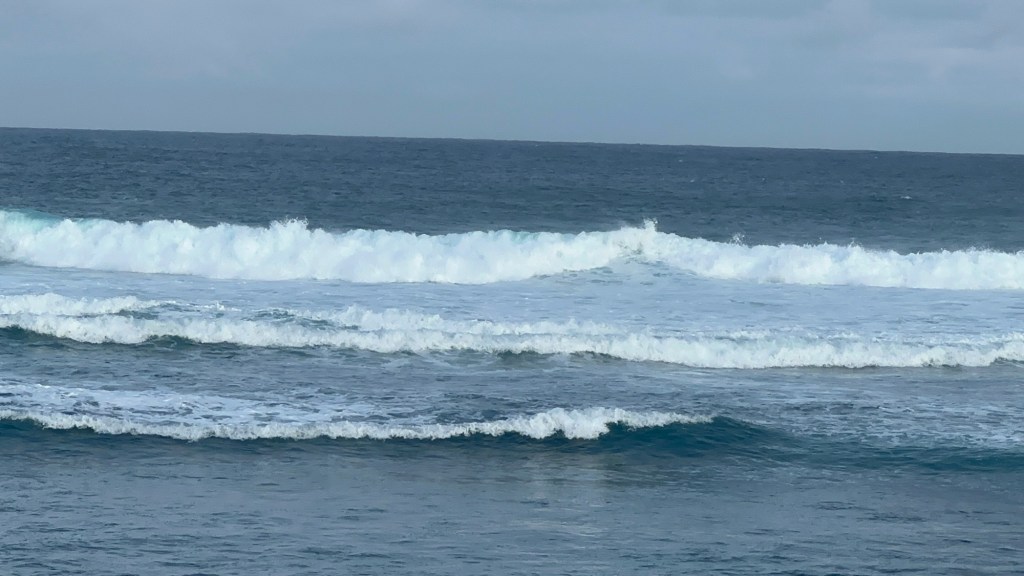
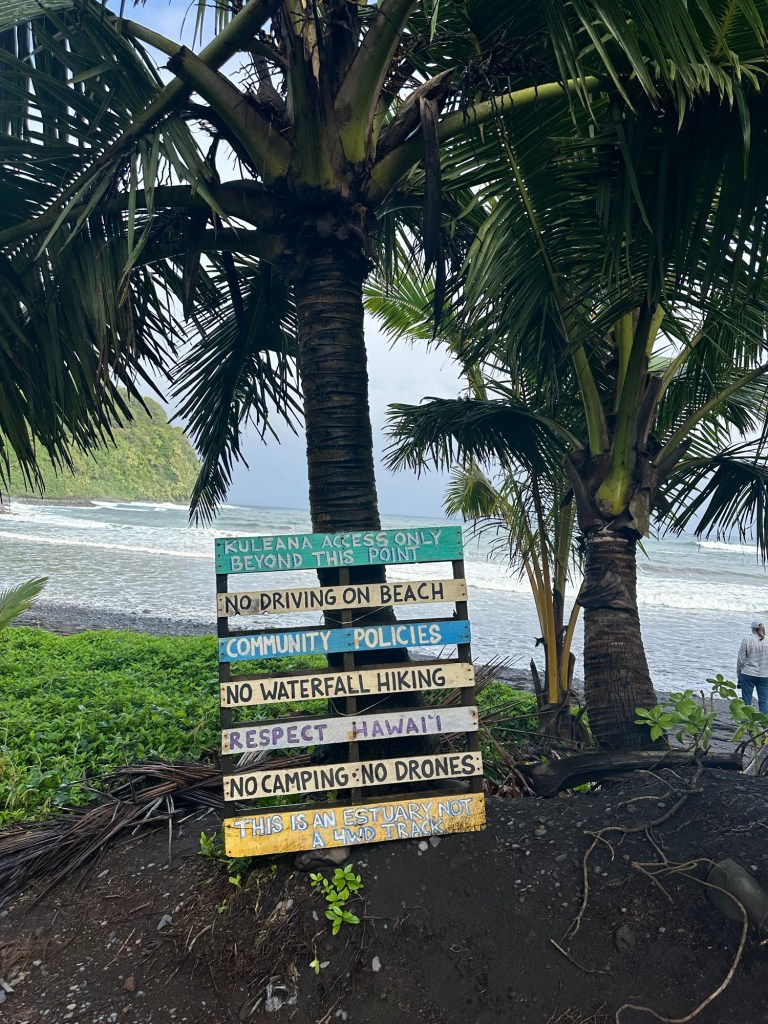
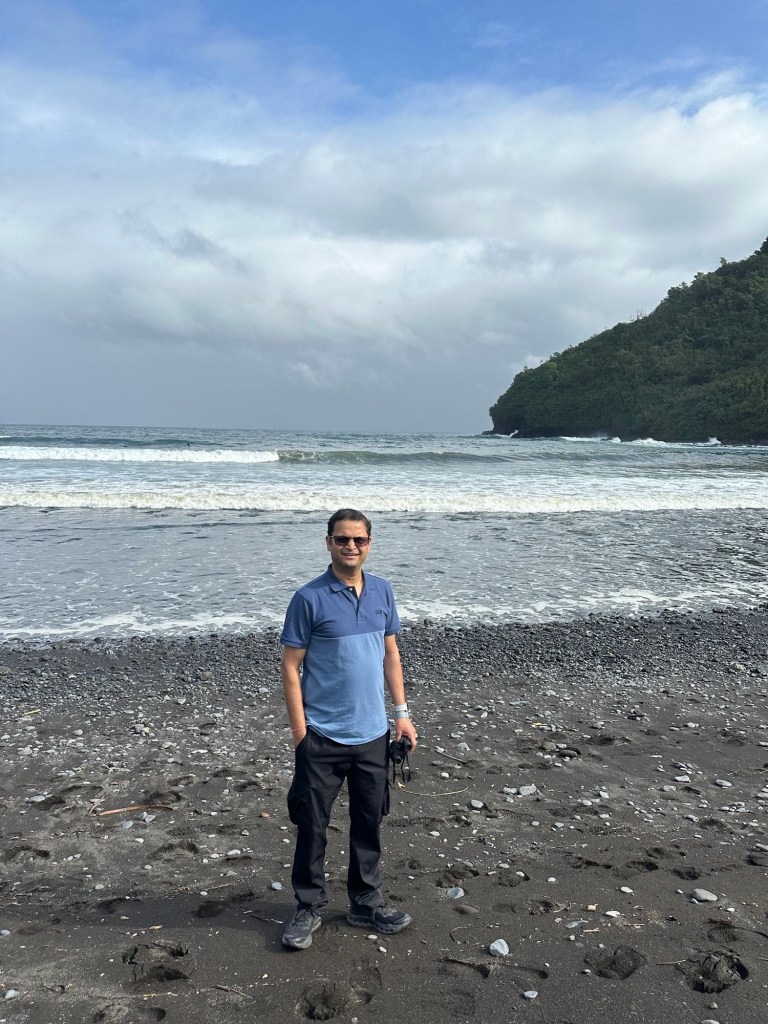
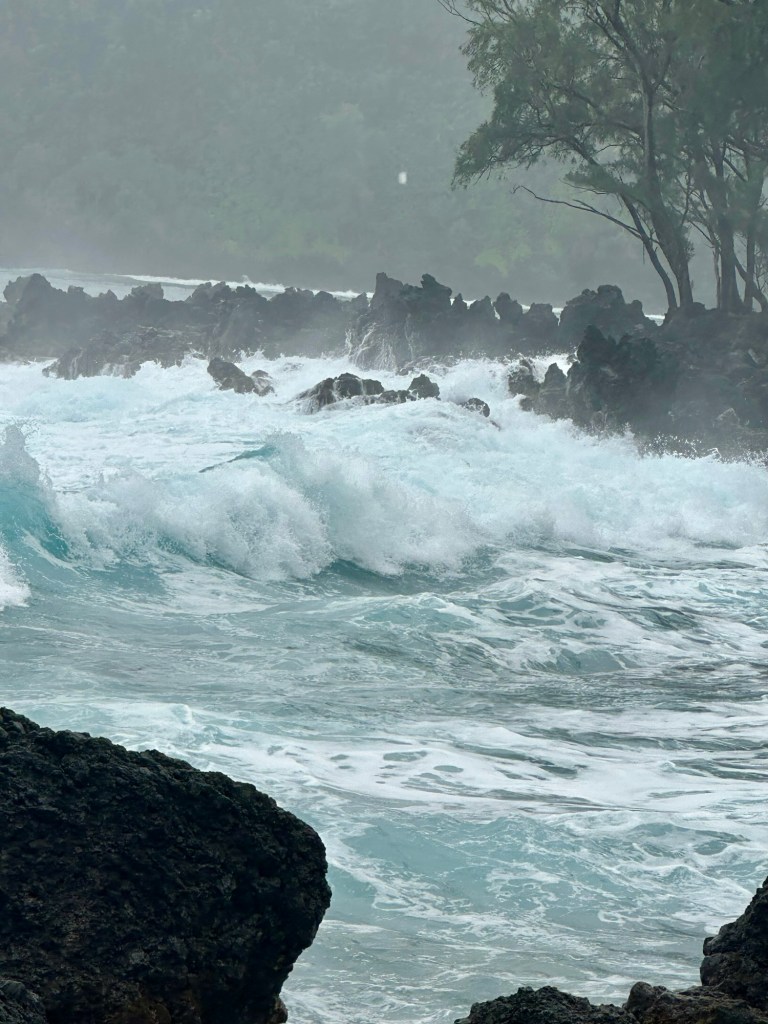
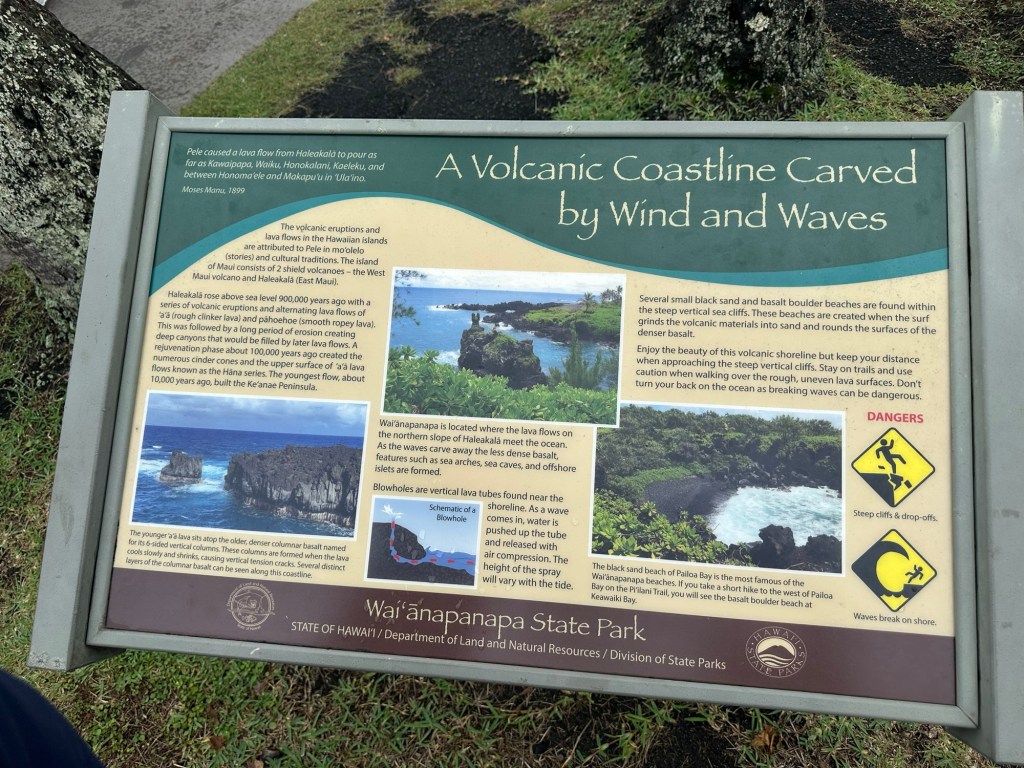
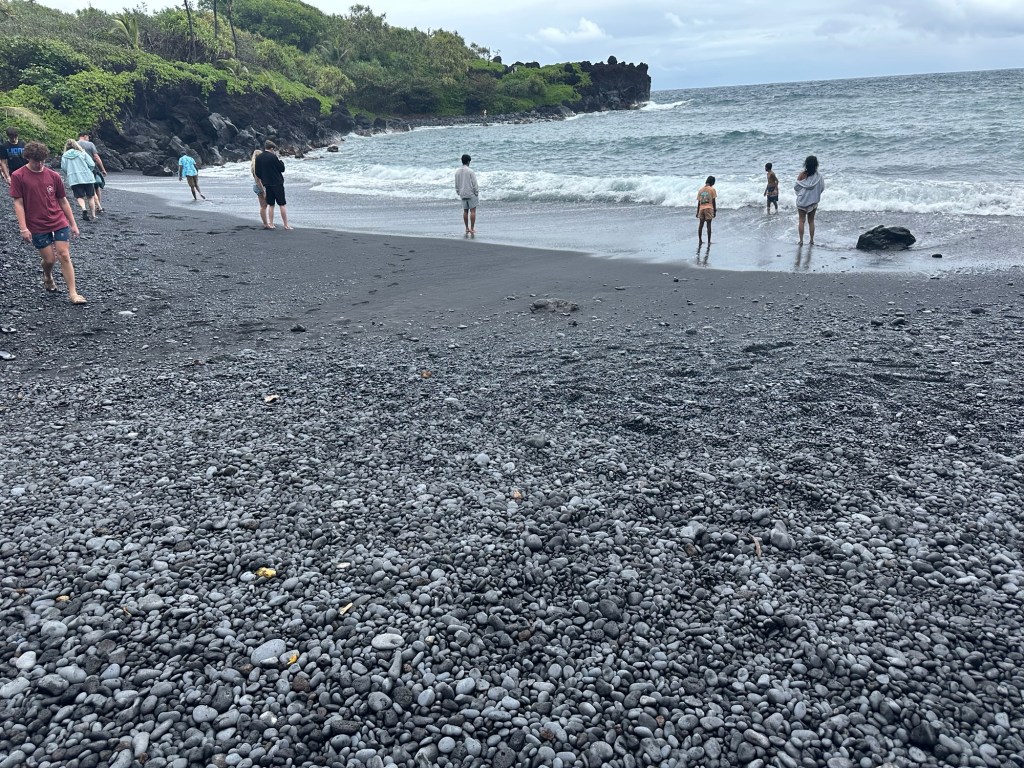
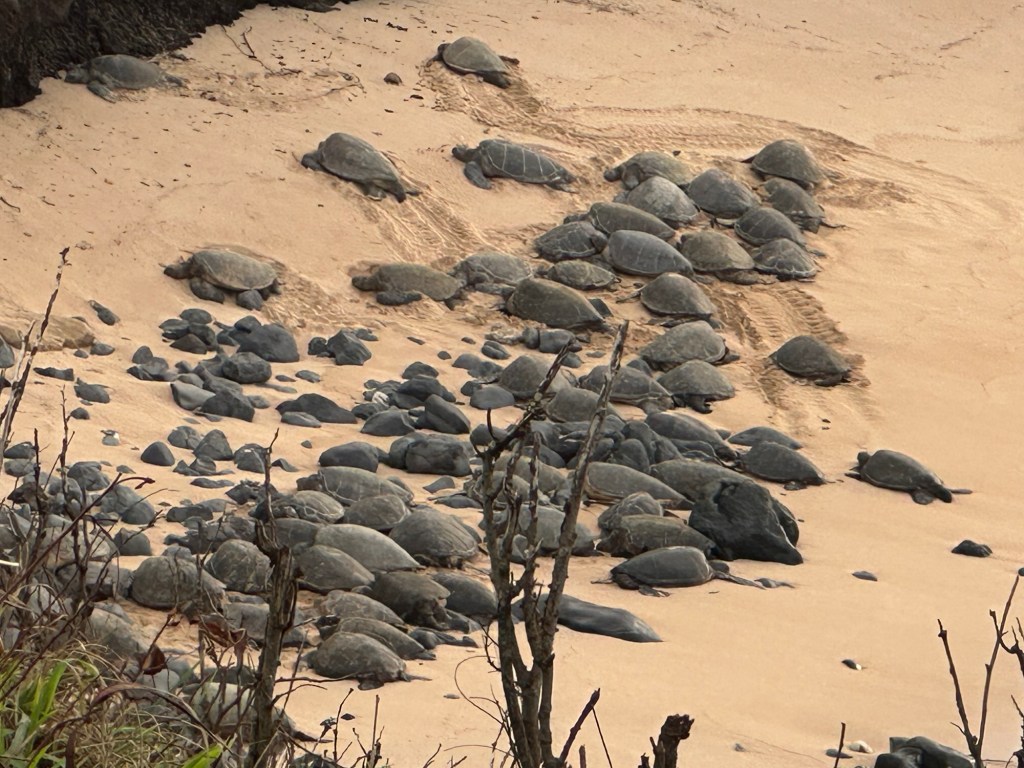
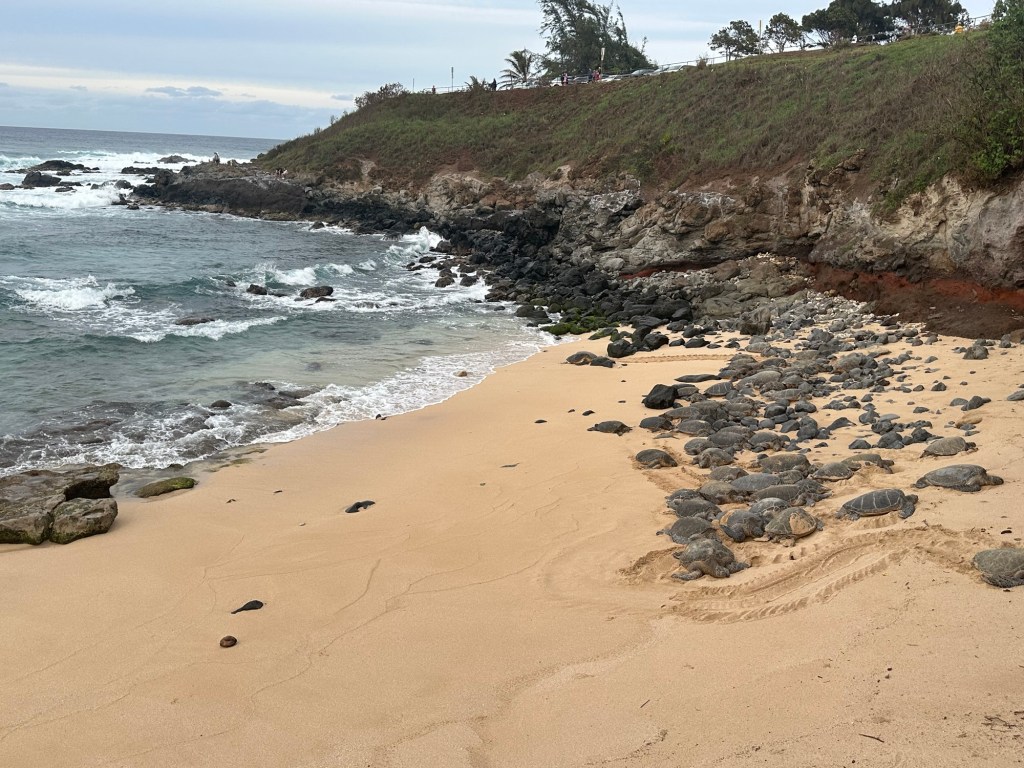
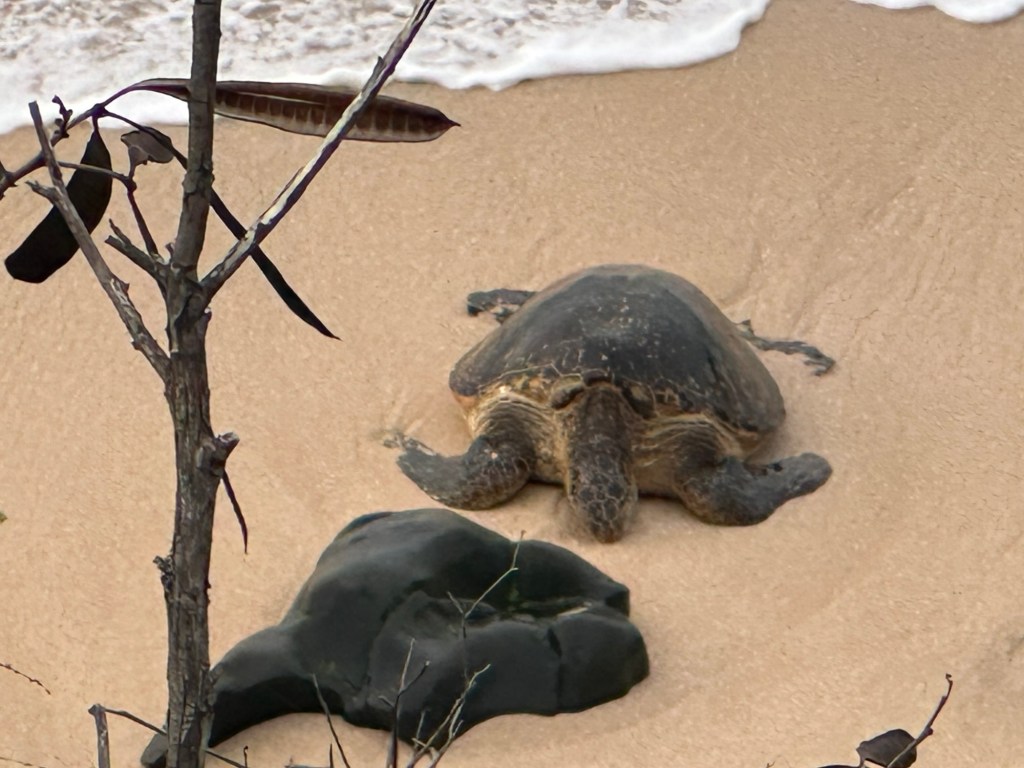
From huge ocean turtles to black sand beach (volcanic rocks) to high tides of ocean, it was an amazing experience!
🇦🇺 Sydney – Four Amazing Days Exploring the Harbour City
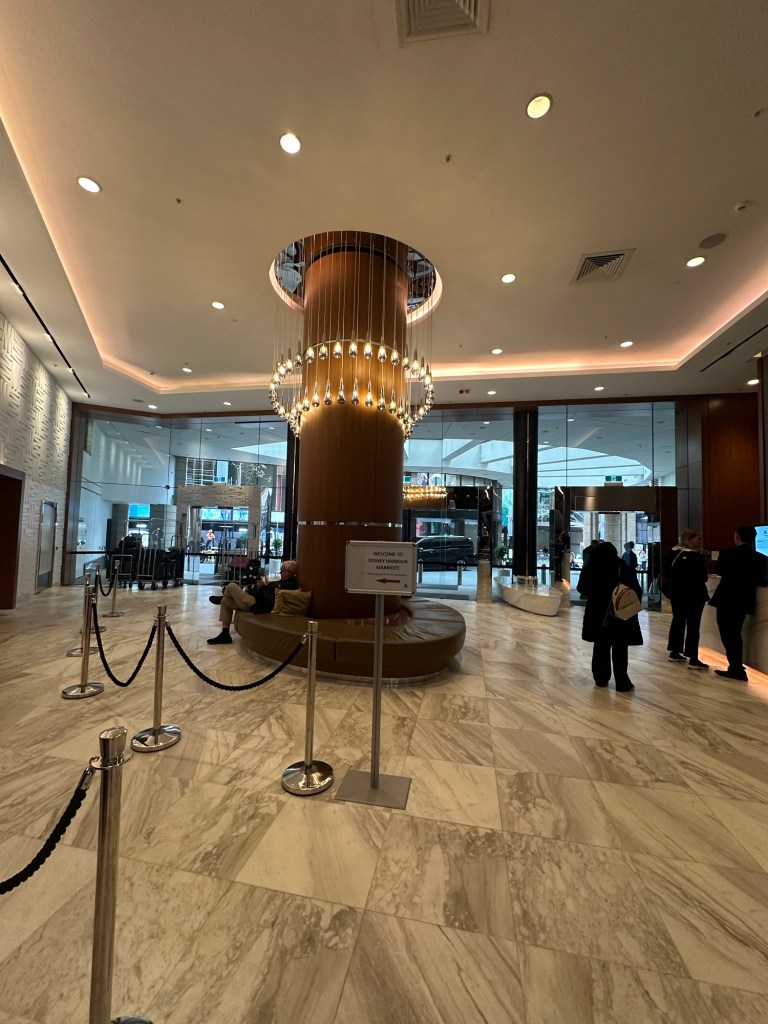
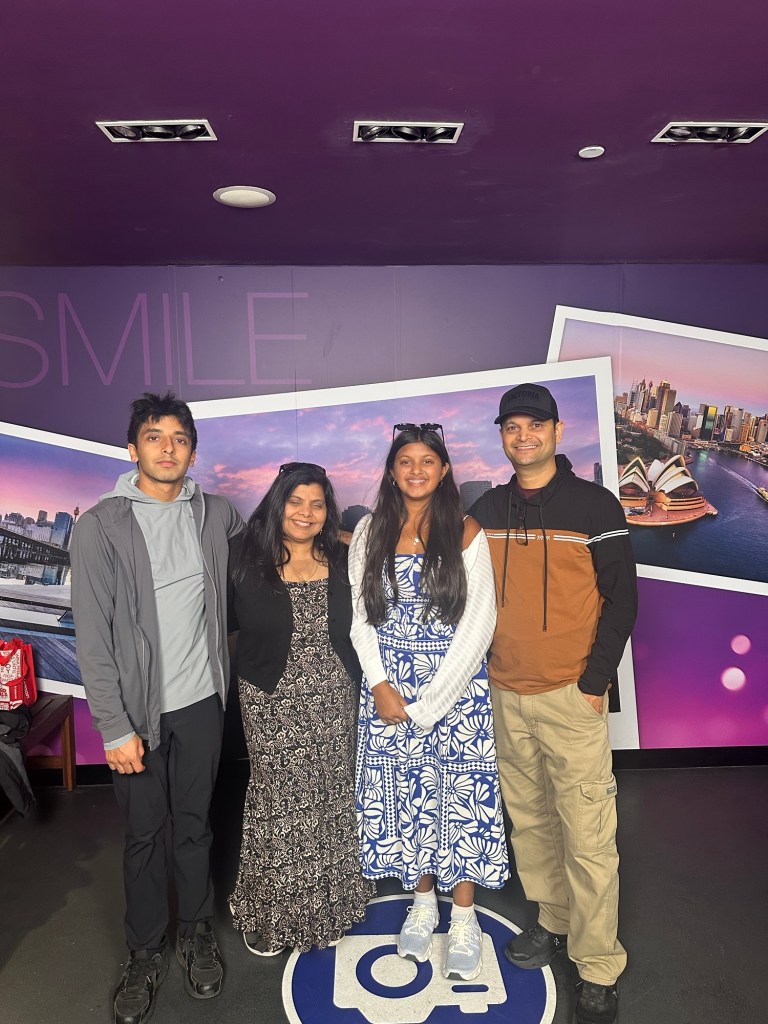
Sydney was our first major stop in Australia, and we had four packed days exploring this beautiful city. Our Marriott hotel was in an amazing central location, very close to many of Sydney’s major attractions, which made exploring the city extremely convenient.
🌉 Day 1 – Monday
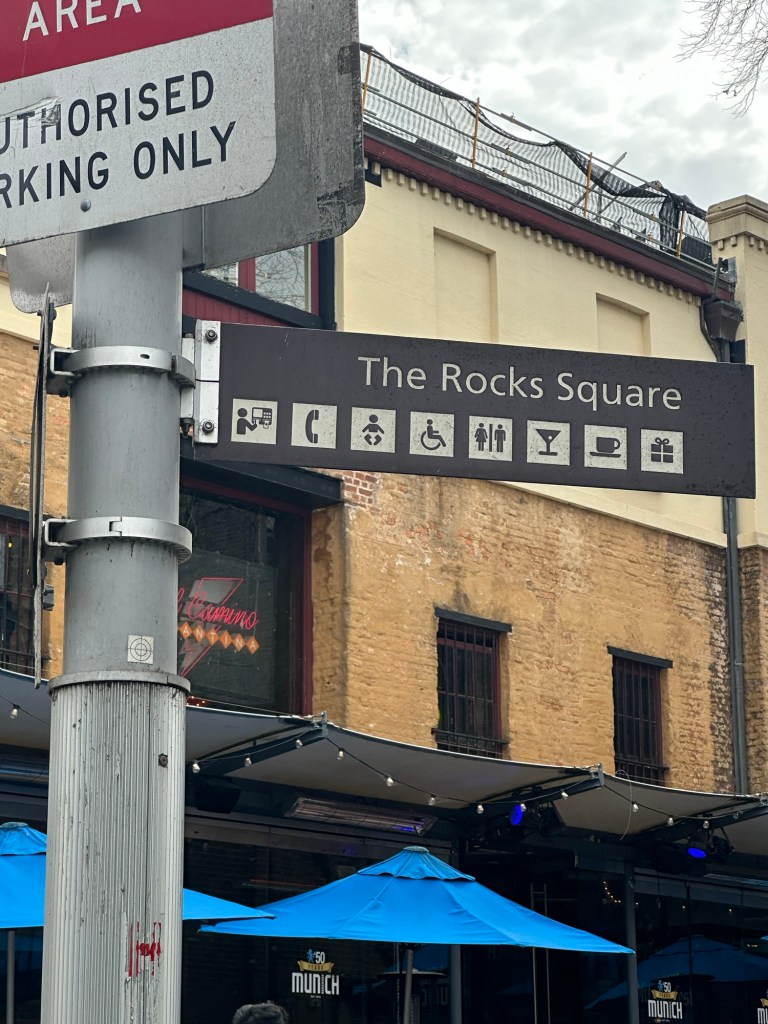
Circular Quay, The Rocks & Our First Views of Sydney
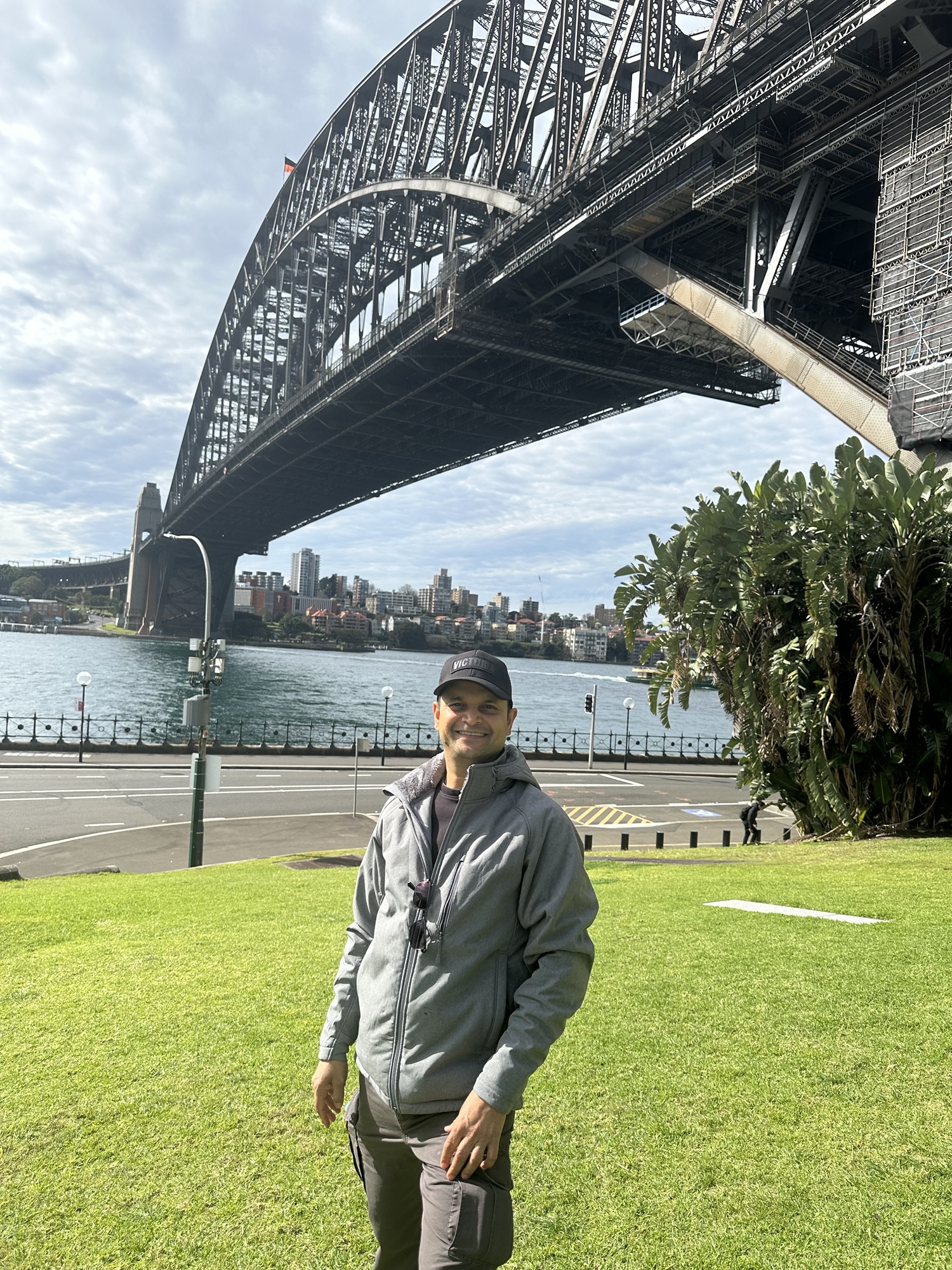
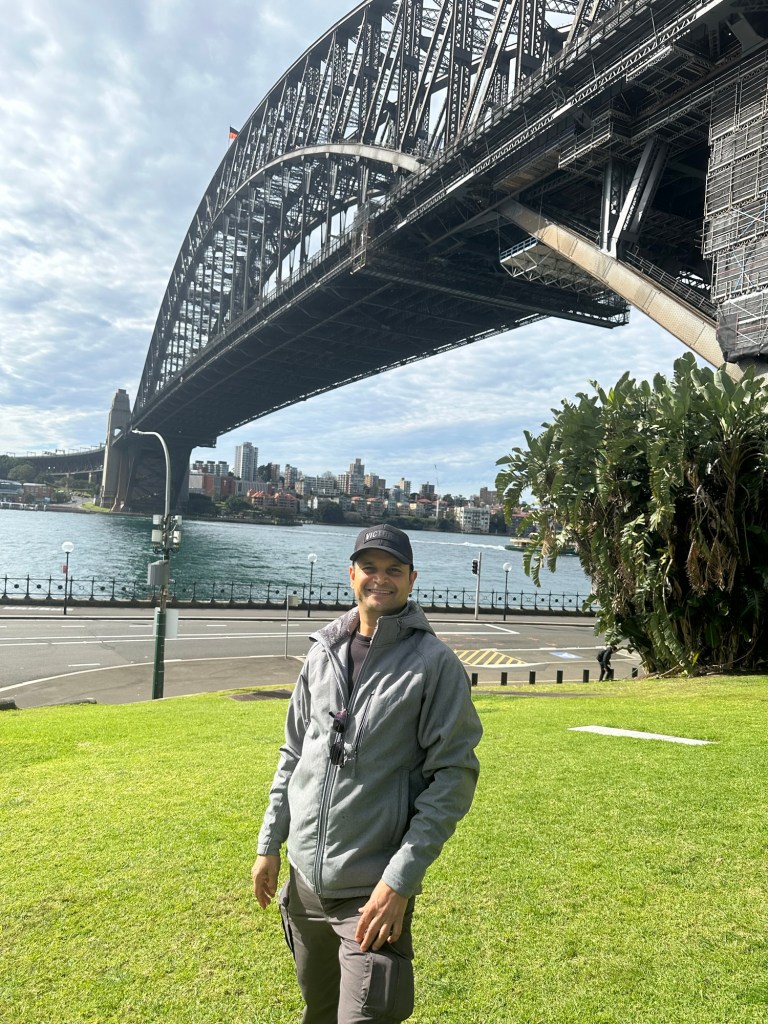
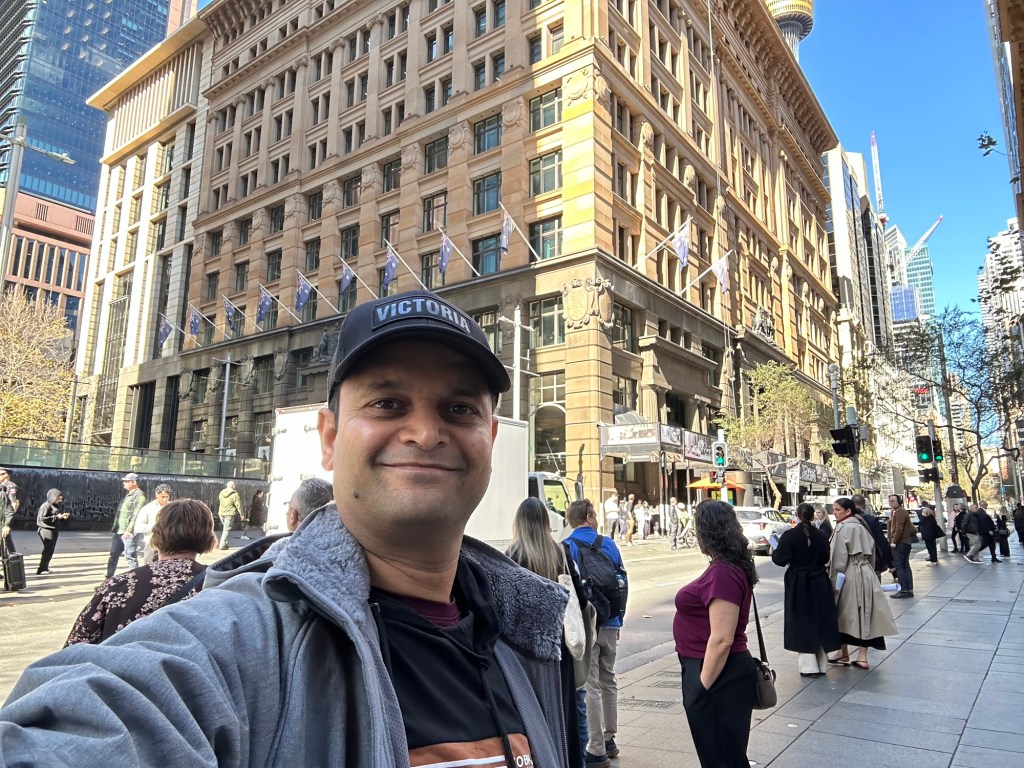
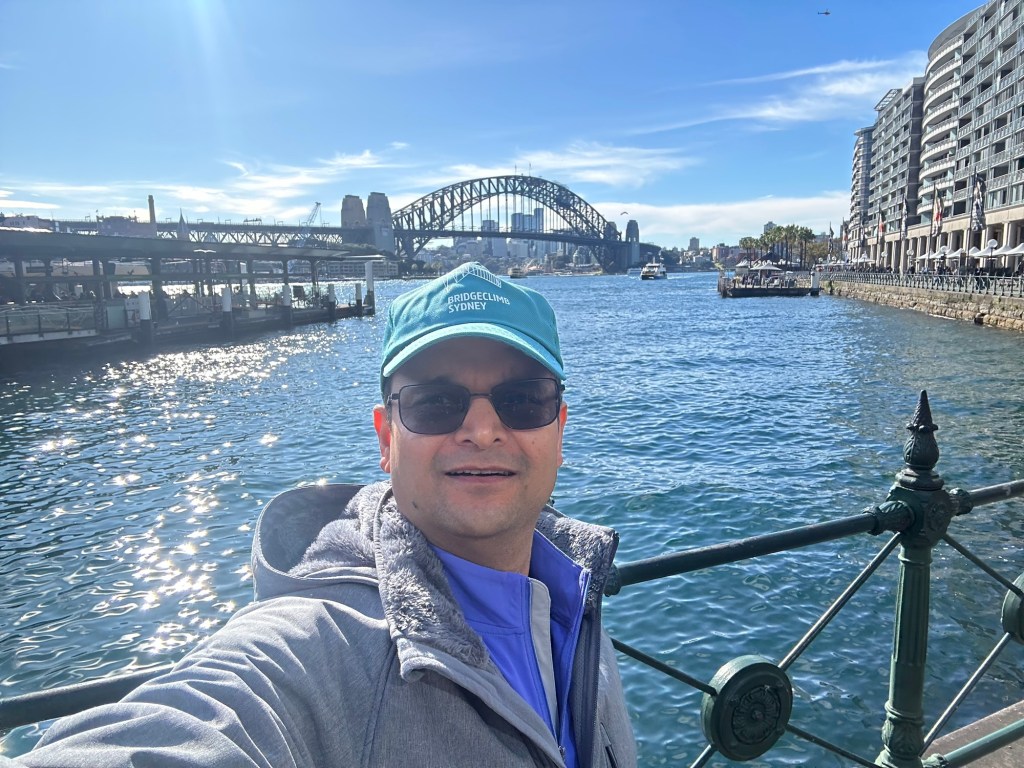
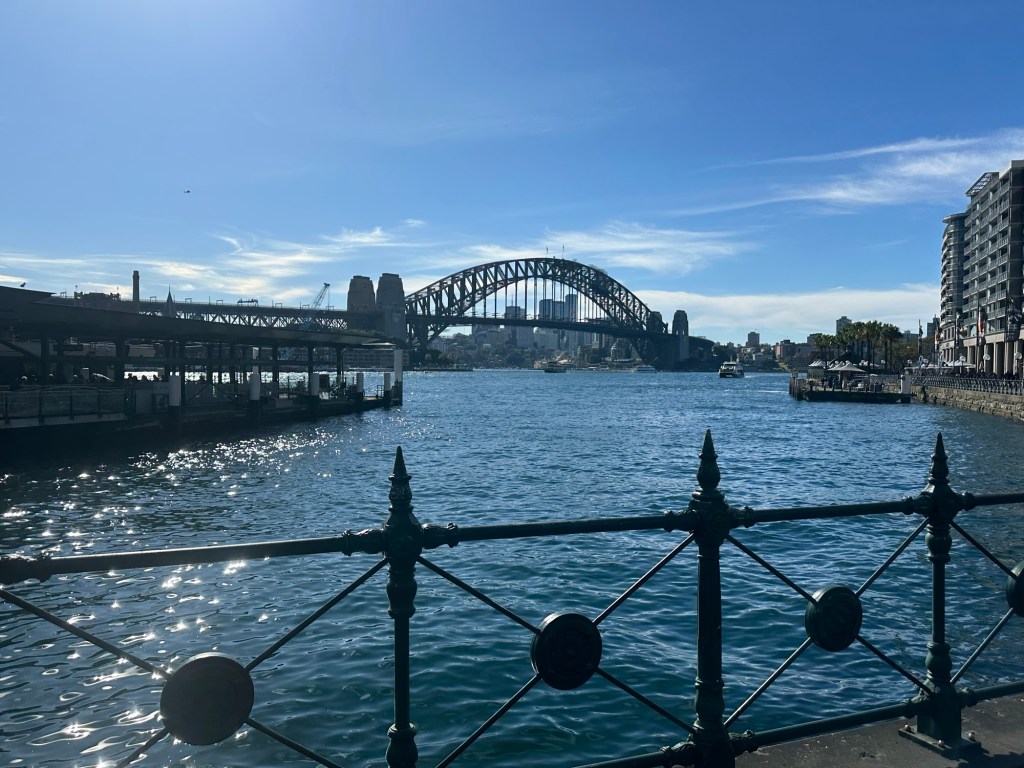
We started our first day by simply exploring the Circular Quay area and familiarizing ourselves with our surroundings. We walked underneath the Sydney Harbour Bridge, explored the waterfront, and got our first proper feeling of Sydney.
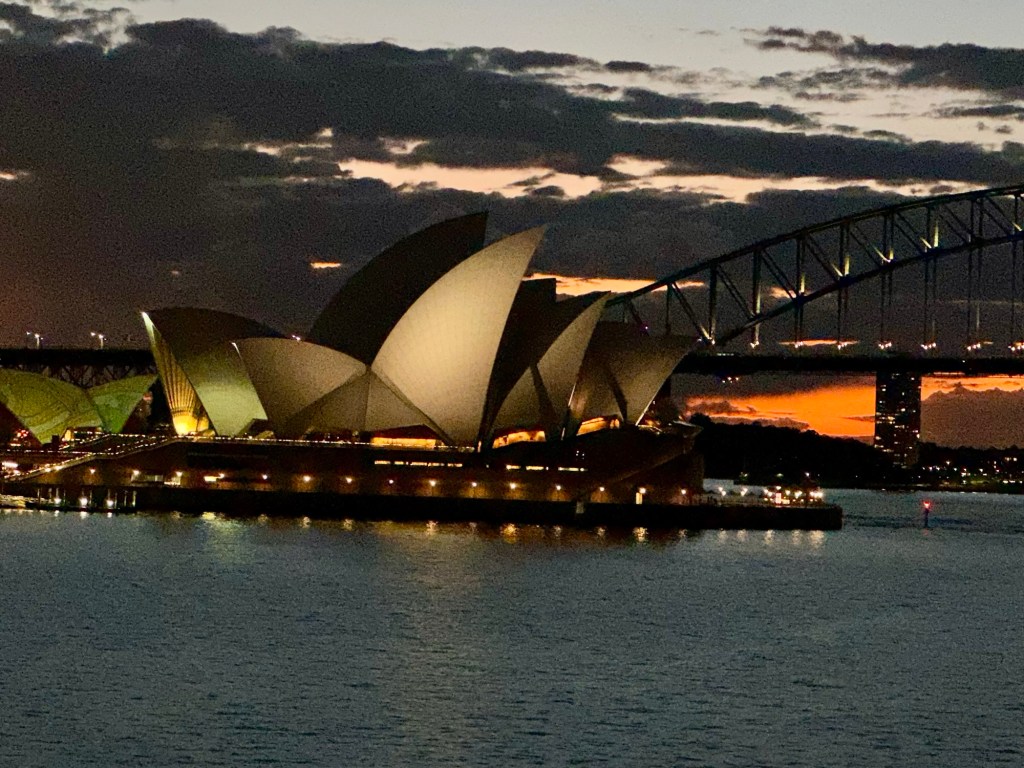
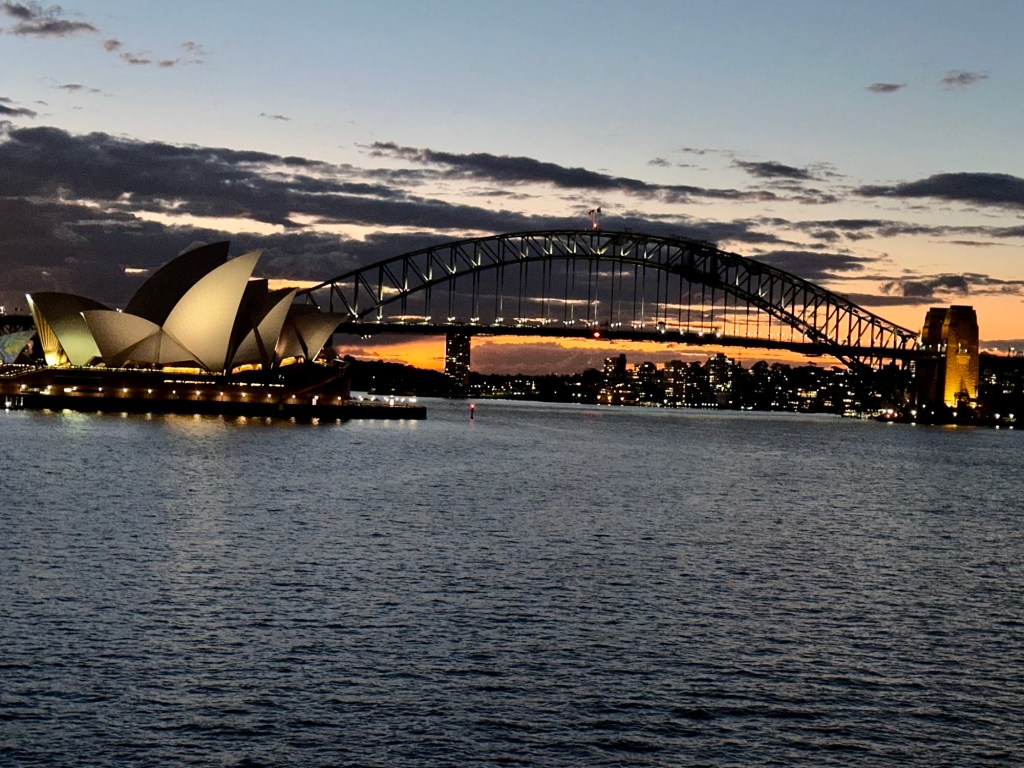
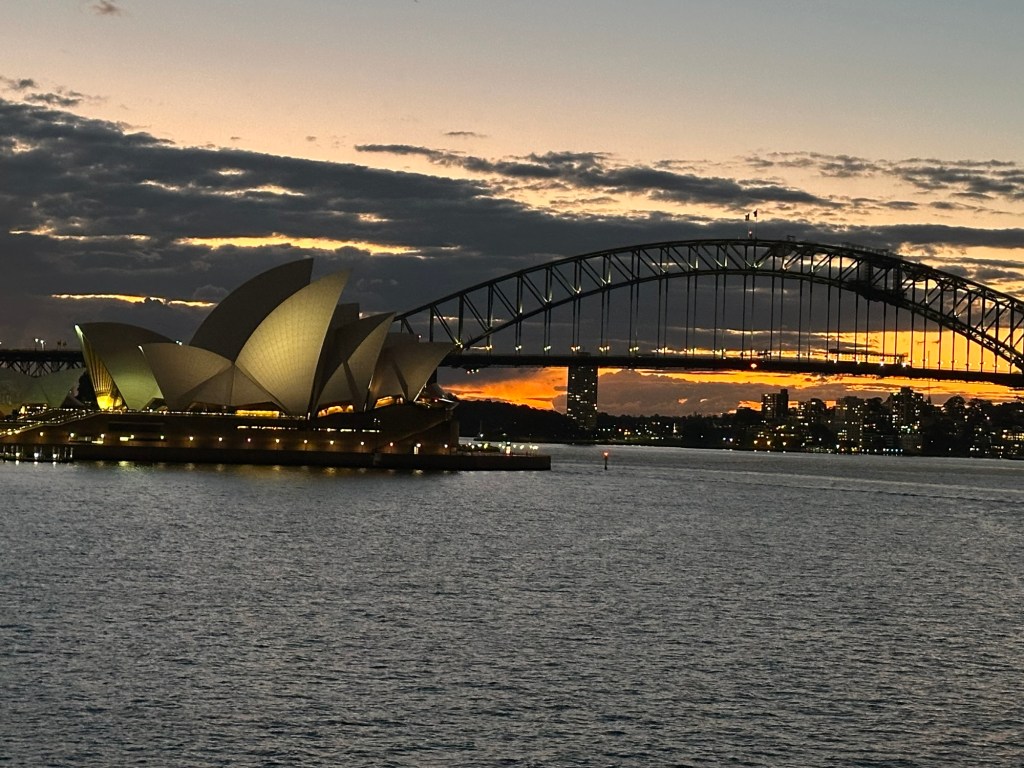
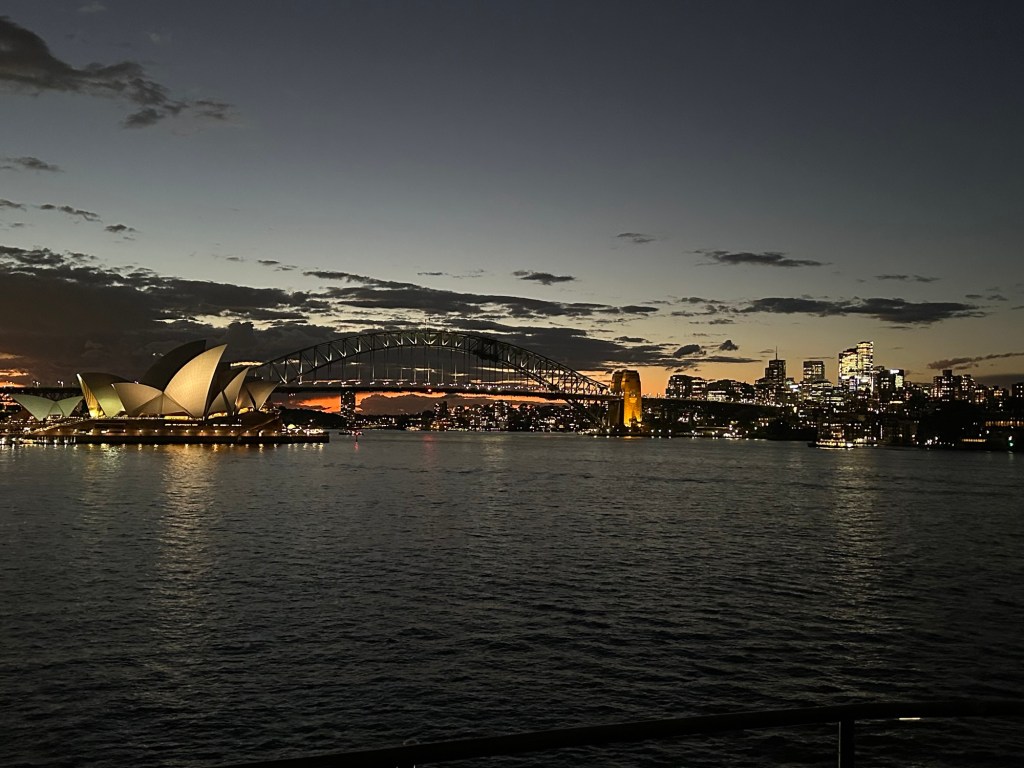
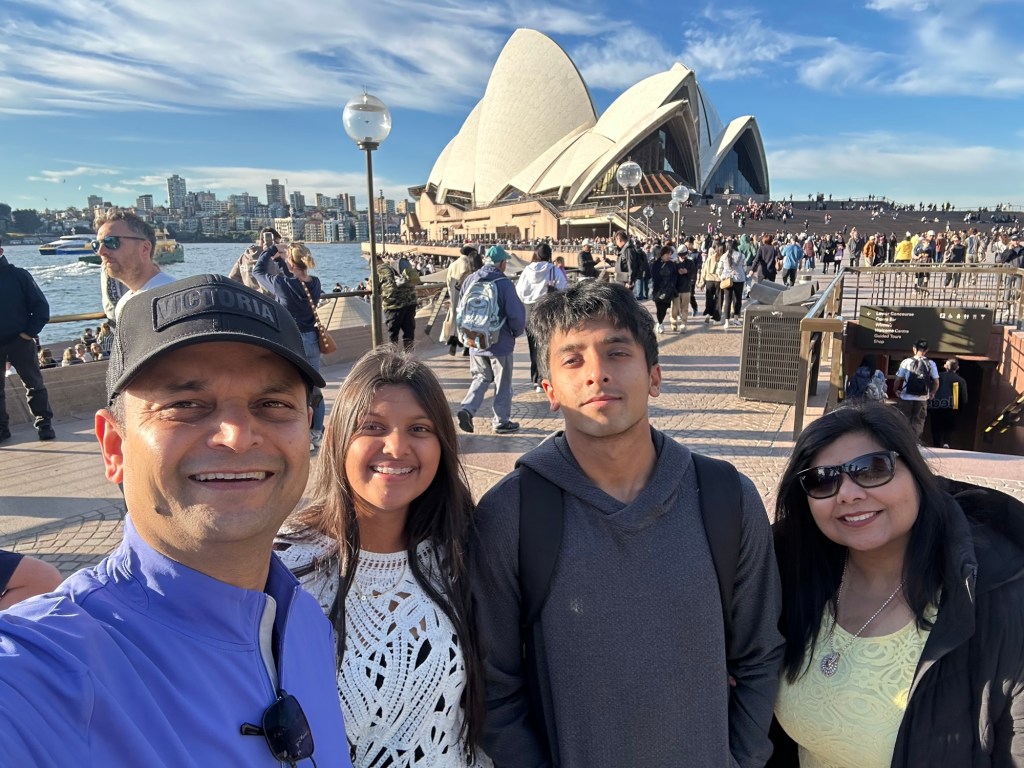
From across the harbour, we could see the magnificent Sydney Opera House and captured some great pictures. We already had plans to experience both the Opera House and Harbour Bridge properly later in our trip, so for now we enjoyed seeing them from a distance.
📸 [PHOTOS – Circular Quay / Harbour Bridge / First view of Opera House]
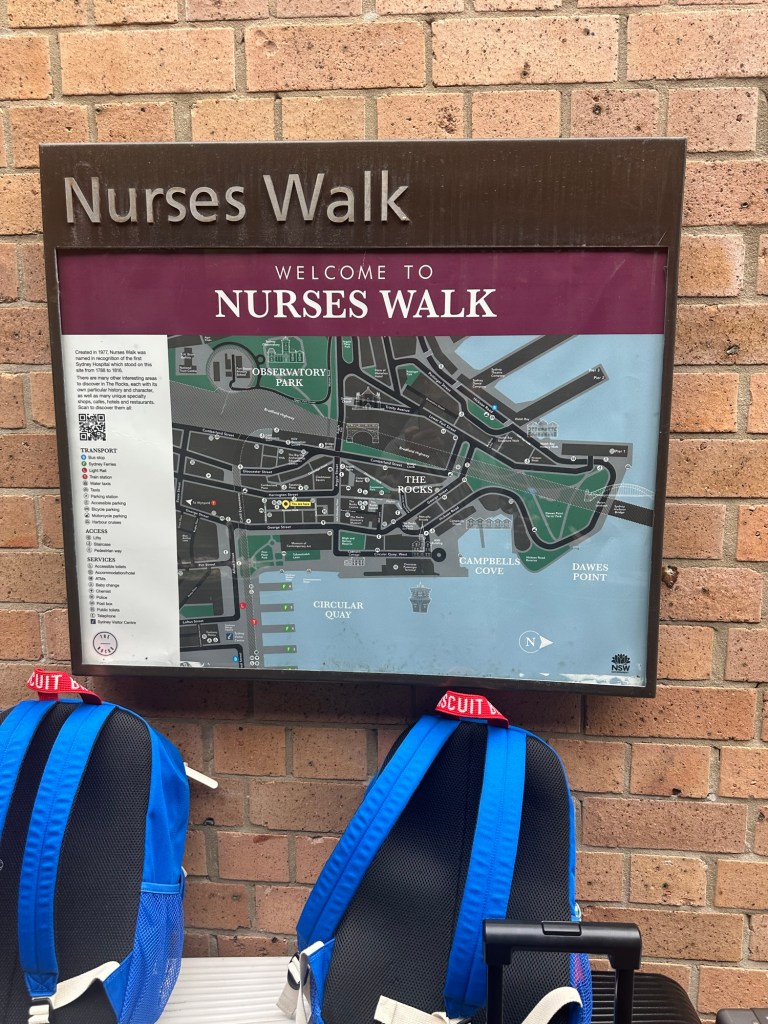
🚶 The Rocks & Nurses Walk
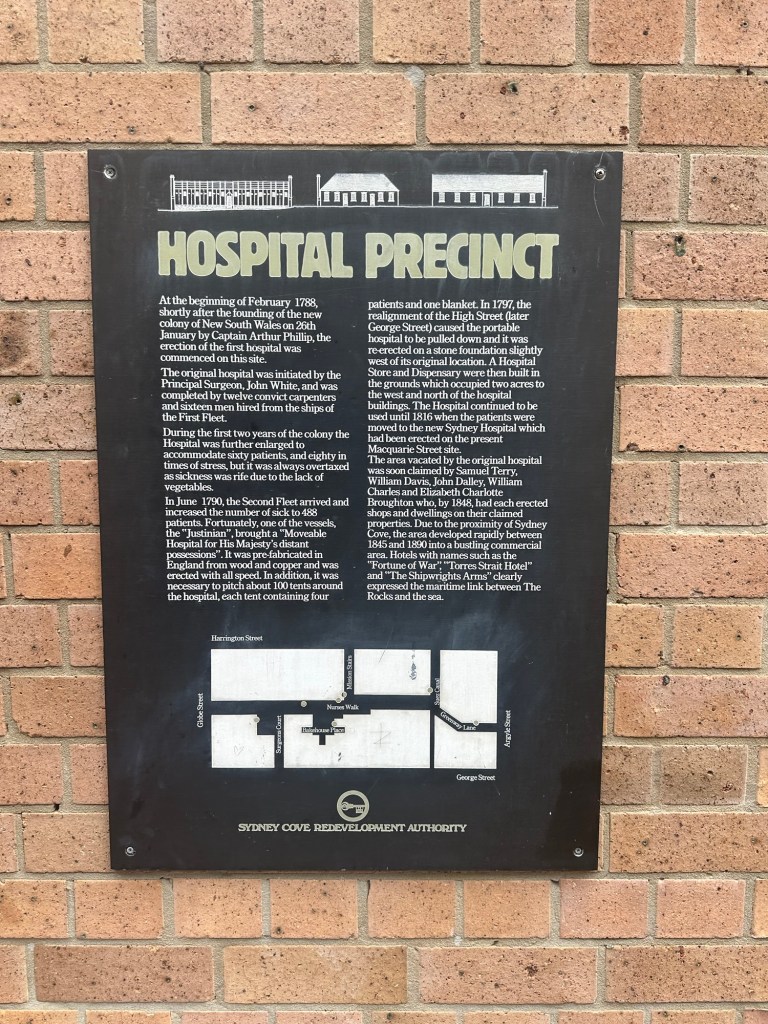
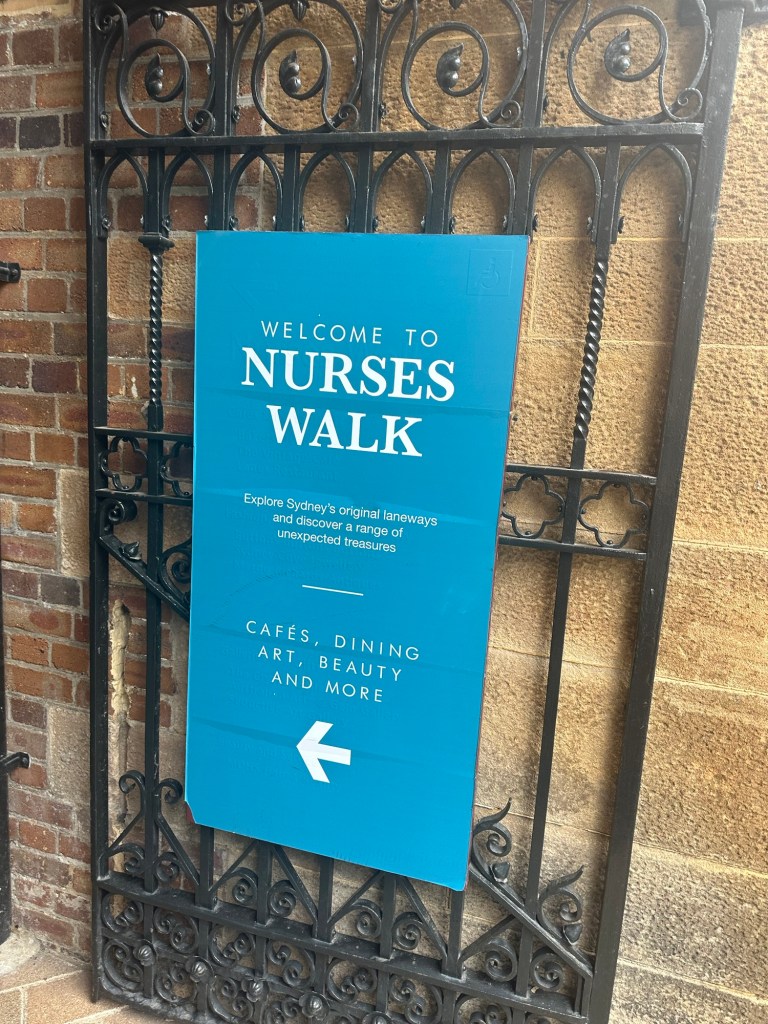
We then explored the historic walking lanes of The Rocks, including Nurses Walk. This was especially interesting because we learned more about Sydney’s early colonial history and the arrival of the First Fleet in 1788.
We also learned about Captain James Cook, who charted Australia’s eastern coastline for Britain in 1770, eighteen years before the First Fleet established the British colony at Sydney Cove.
Walking through these old lanes while learning the history behind them made the experience much more meaningful.
💡 Interesting Fact: The Rocks is one of Sydney’s oldest European-settled neighbourhoods, located right beside the place where the British colony at Sydney Cove was established in 1788.
📸 [ PHOTOS – The Rocks / Nurses Walk / Historic lanes]
🍜 A Colorful Thai Lunch
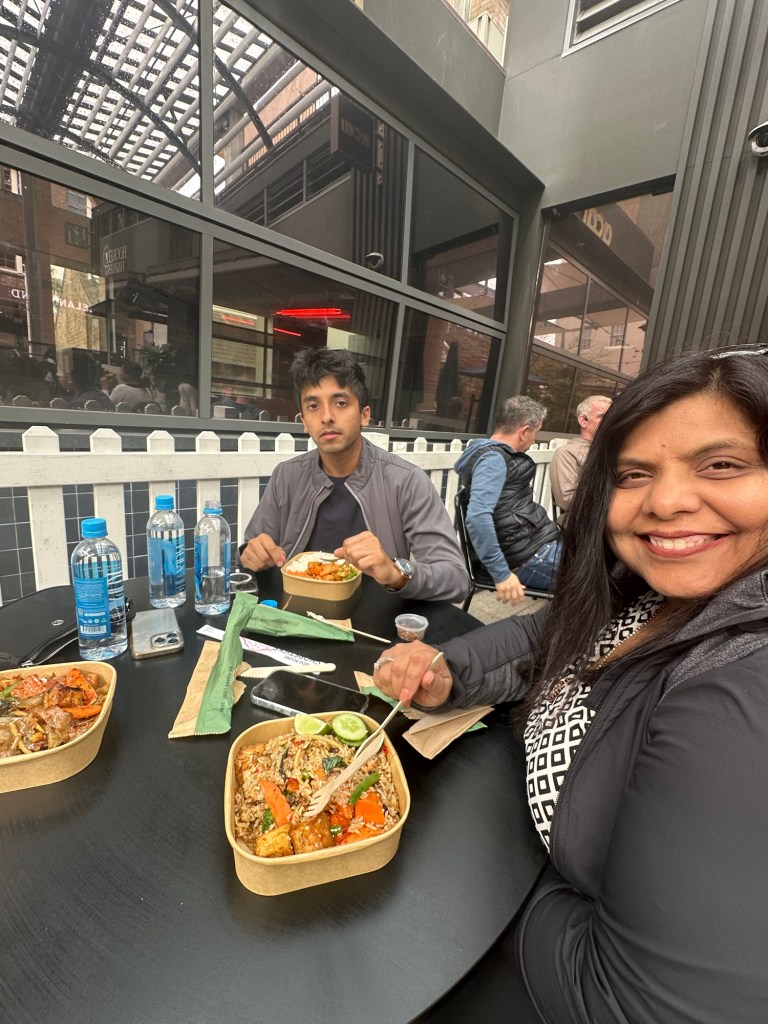
For lunch, we stopped at a Thai restaurant, and the food was simply delicious!
I especially loved the restaurant’s colorful red décor, which gave the place a very vibrant atmosphere.
Later, we visited Mrs Macquarie’s Chair, a historic sandstone bench carved by convicts in 1810. Governor Lachlan Macquarie had it commissioned for his wife, Elizabeth.
Located near the Royal Botanic Garden, the area offers one of Sydney’s classic viewpoints, where you can see both the Opera House and Harbour Bridge together.
We reached the area a little late, but something unexpected happened while we were waiting for our Uber. We spotted a marsupial animal up in a tree! We managed to capture it on video, and interestingly, the light from my camera seemed to attract its attention.
It was an unexpected Australian wildlife encounter right in the middle of Sydney!
📸 [PHOTOS – Mrs Macquarie’s Chair / Harbour View]
🎨 Day 2 – Tuesday
Art, Sydney From Above & Manly Beach
Our second day started around 9 AM, with a quick visit to the nearby Lululemon store, before continuing with our sightseeing.
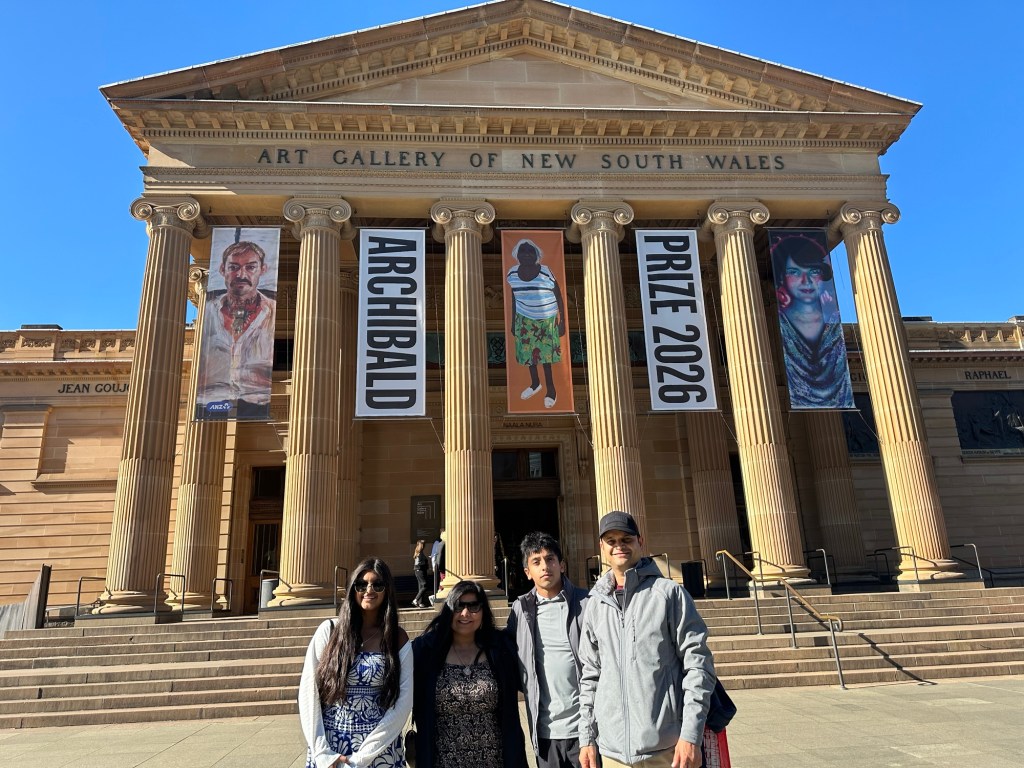
🖼️ Art Gallery of New South Wales
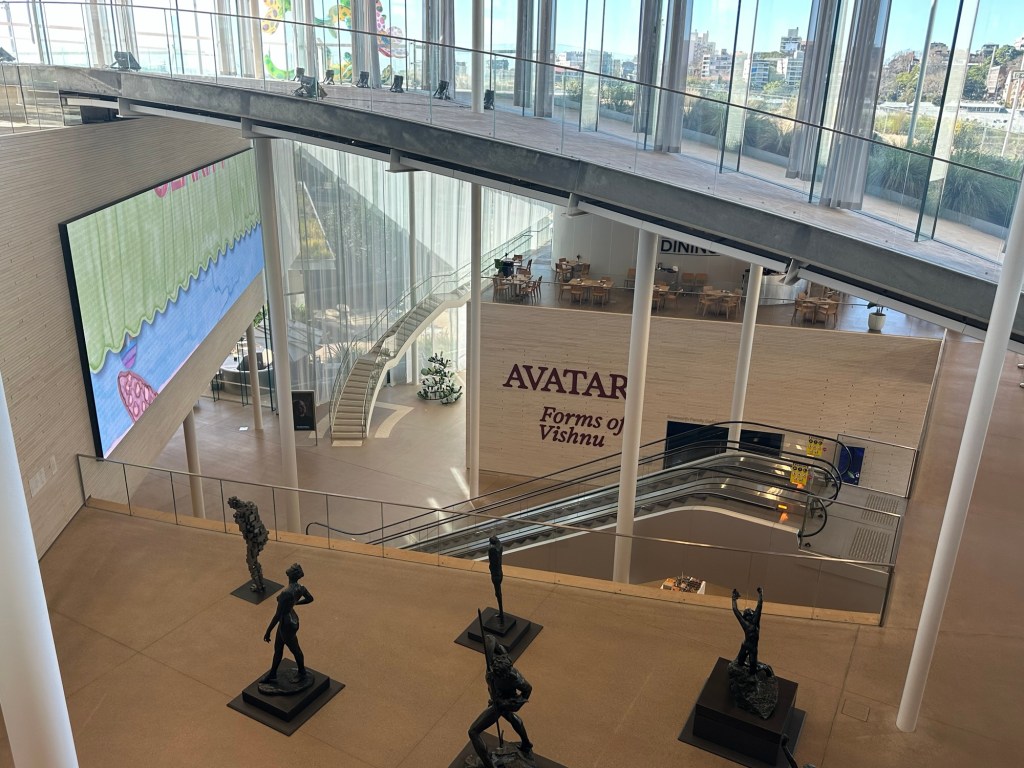
We visited the Art Gallery of New South Wales, which turned out to be a very interesting experience.
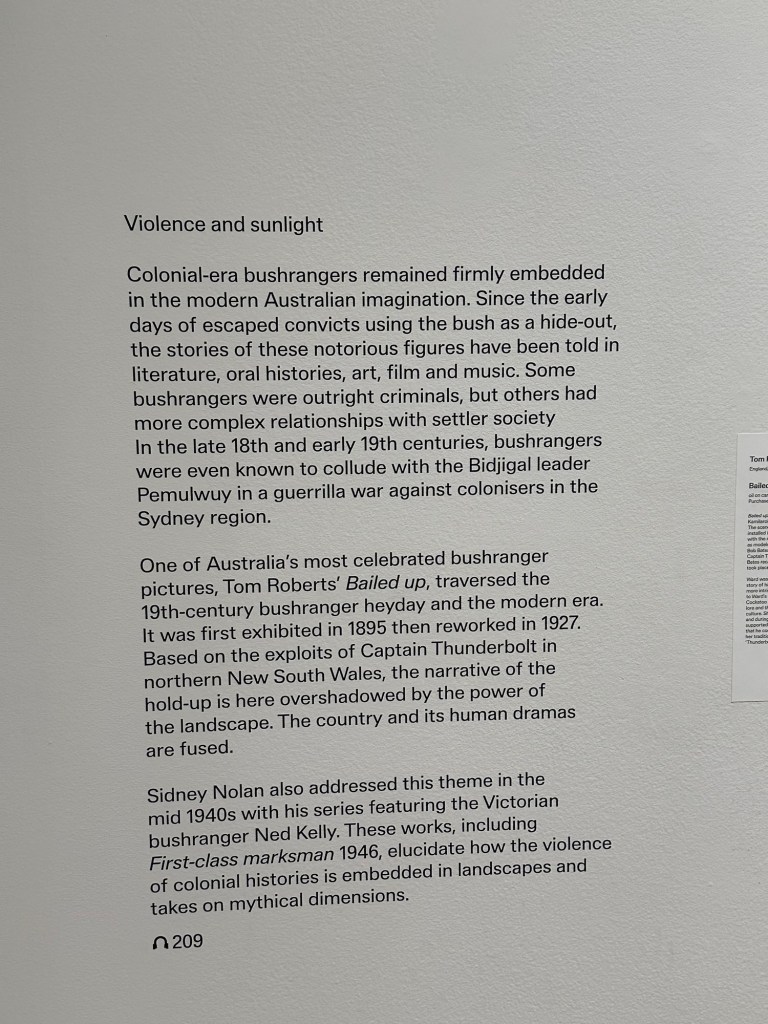
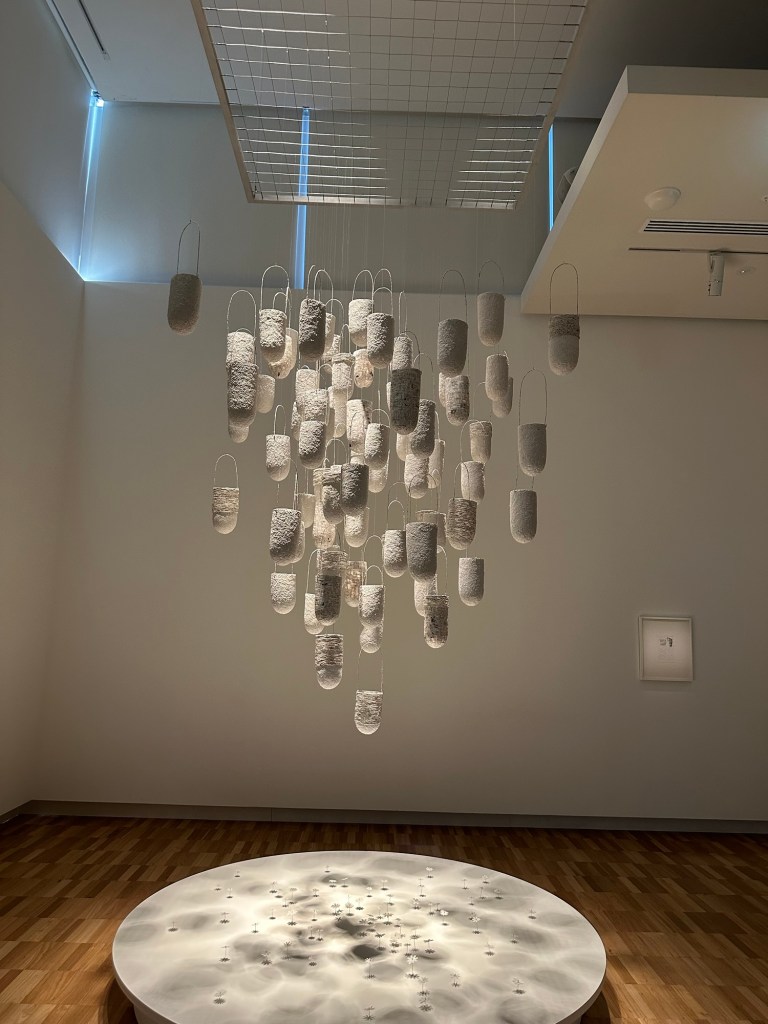
We saw many contemporary artworks, but what particularly caught my attention was seeing multiple works created by artists of Indian origin. At least three of the pieces we came across had Indian connections, and it genuinely gave me goosebumps. I had never imagined seeing Indian artists represented in this way in a major Australian art gallery.
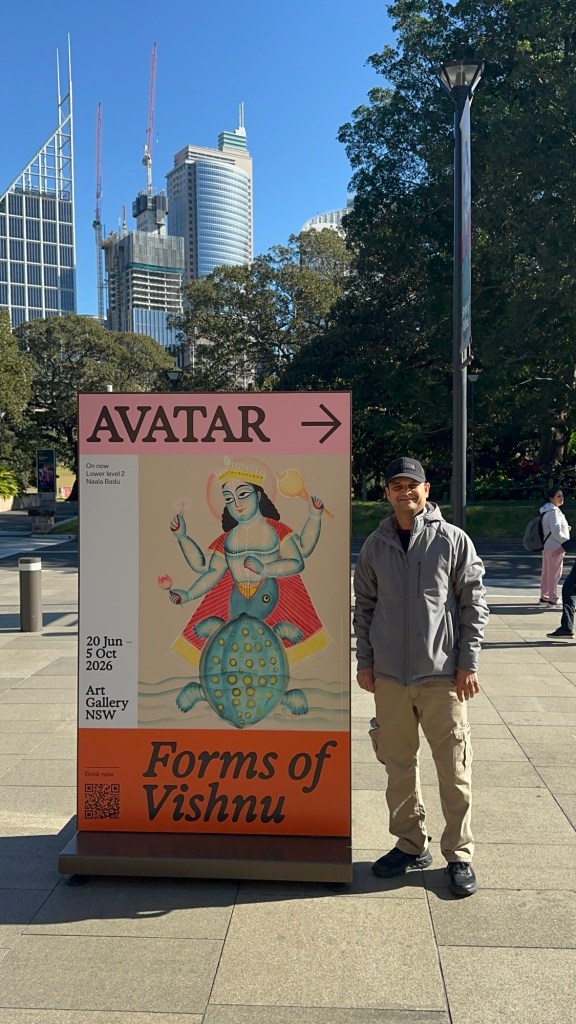
We also came across artwork connected with Vishnu, which made the visit even more memorable.
📸 [PHOTOS – Art Gallery / Indian artists’ works / Vishnu exhibit]
🏙️ Sydney Tower Eye
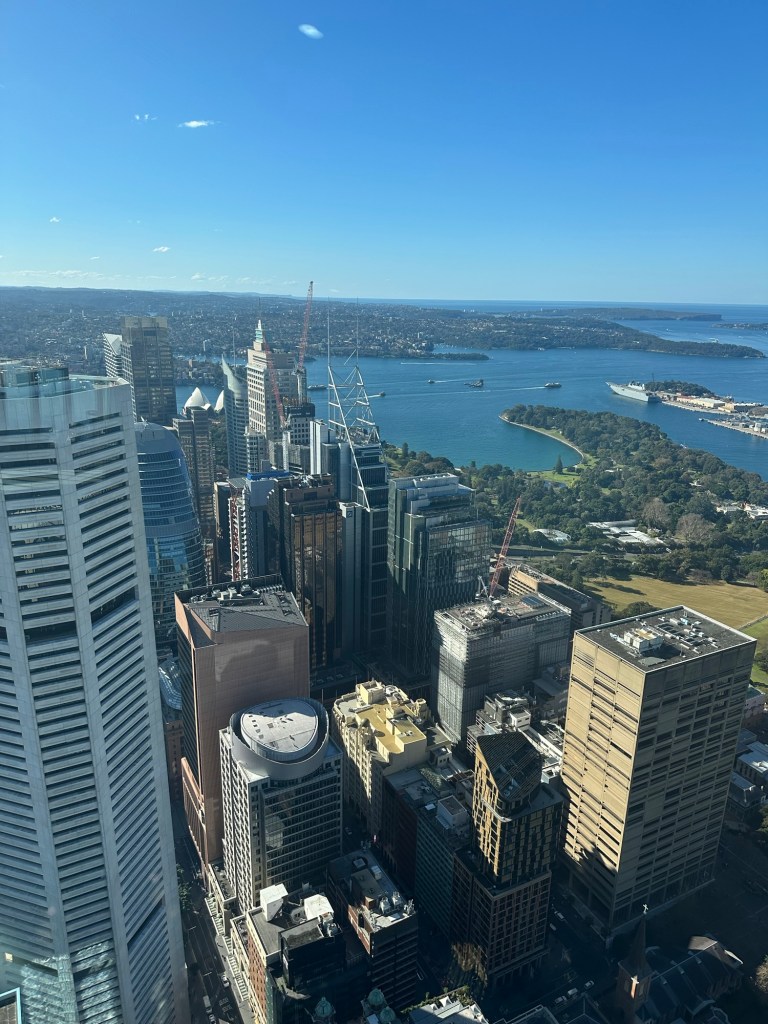
Next, we headed up the Sydney Tower Eye.
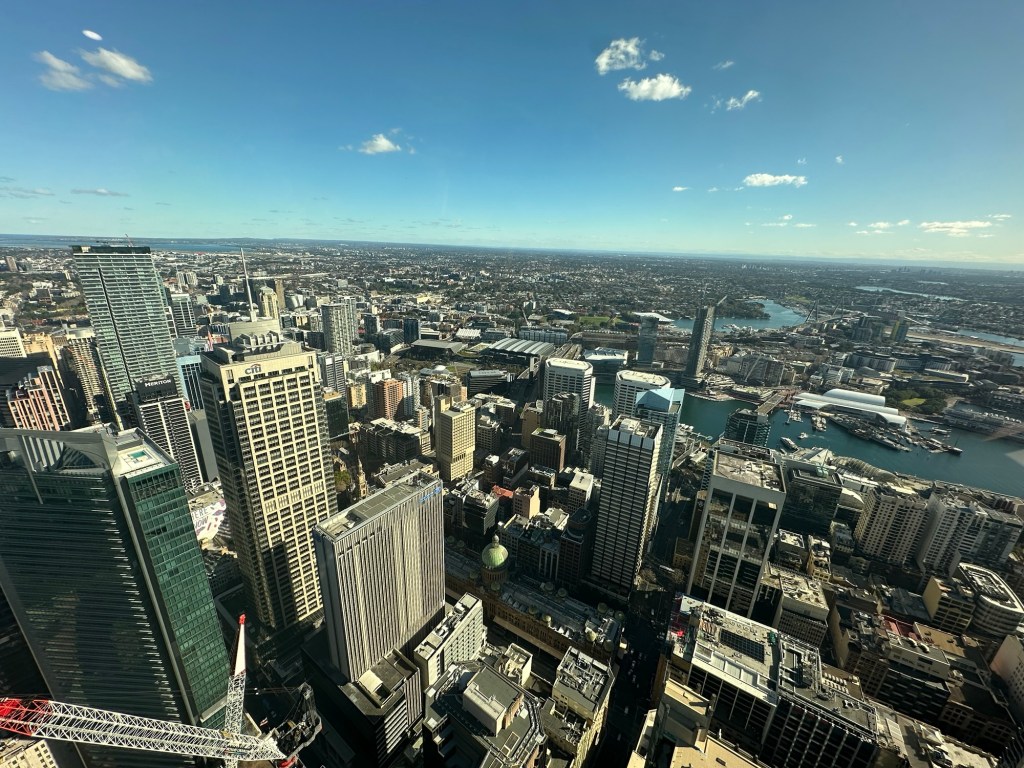
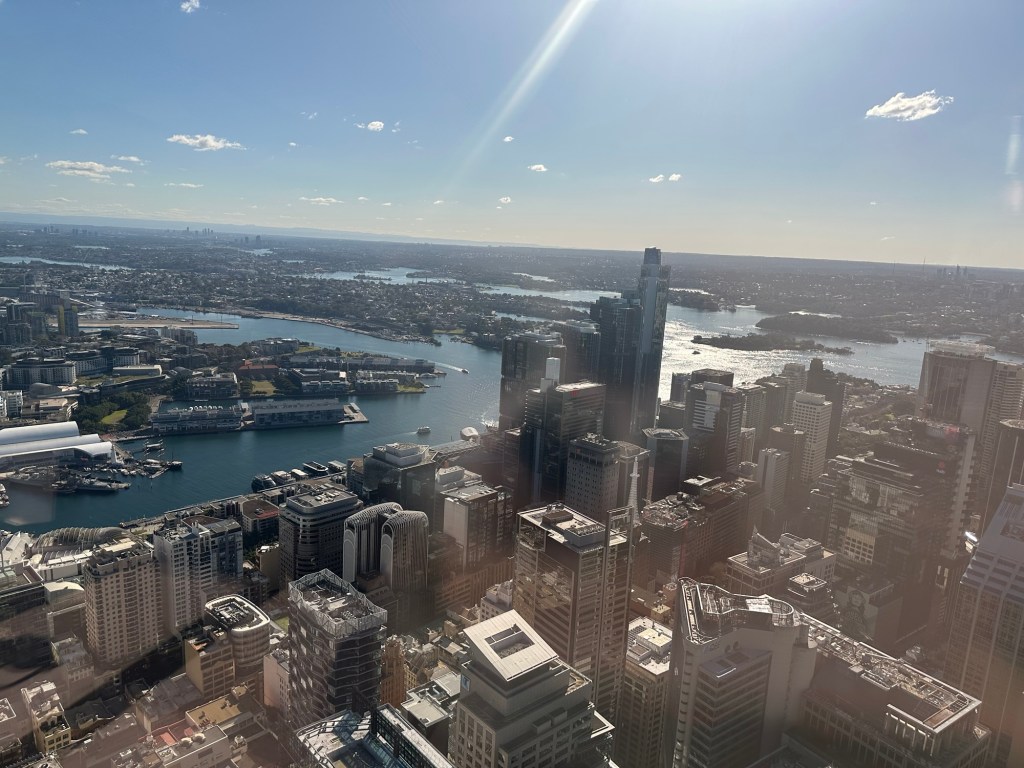
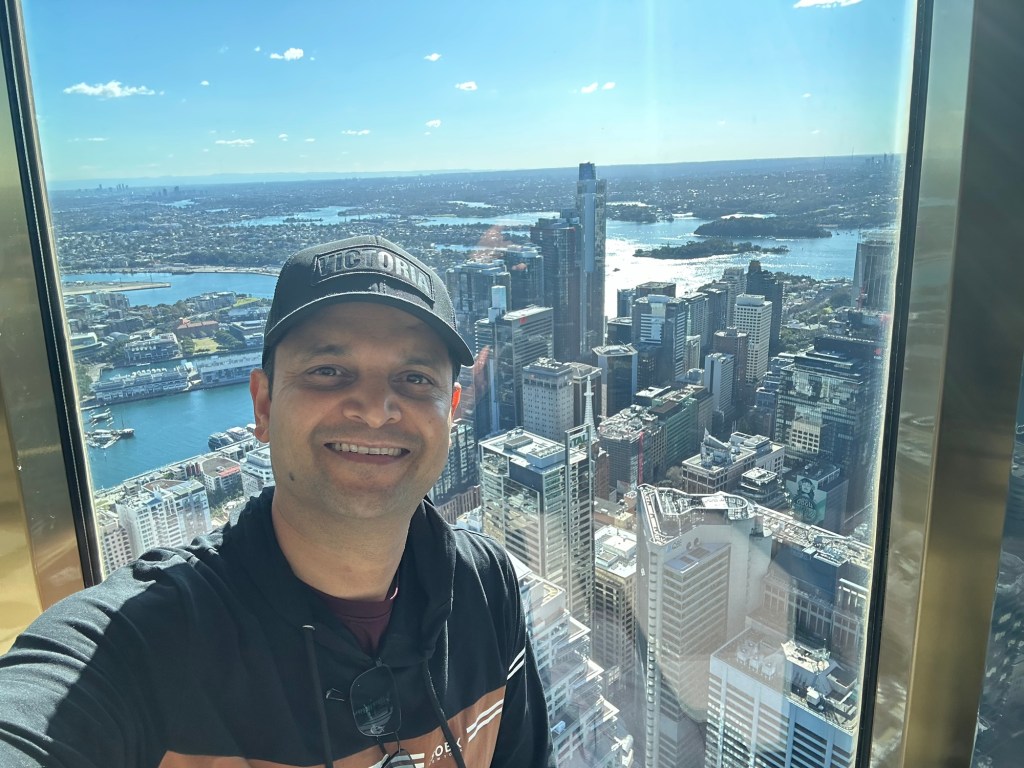
The view from the top was amazing! From high above Sydney, we could see across the city and out toward the harbour, giving us a completely different perspective of the places we had been exploring at ground level.
📸 [PHOTOS – Sydney Tower Eye / City views]
⛴️ Ferry to Manly Beach
Around midday, we caught the ferry to Manly Beach.
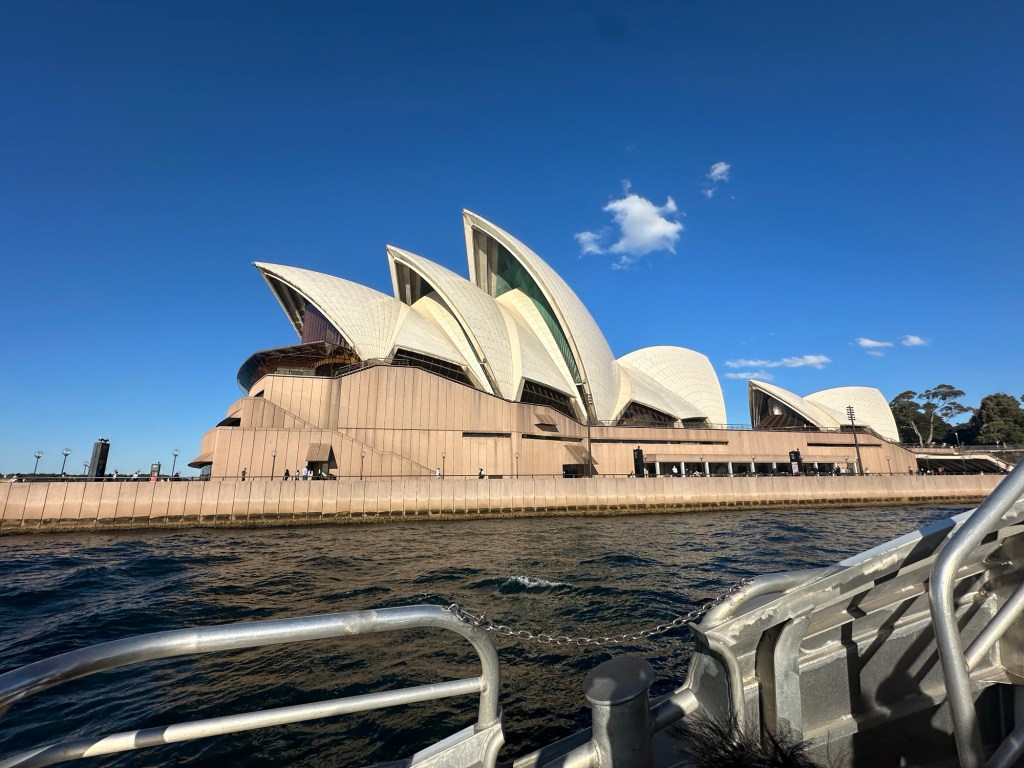
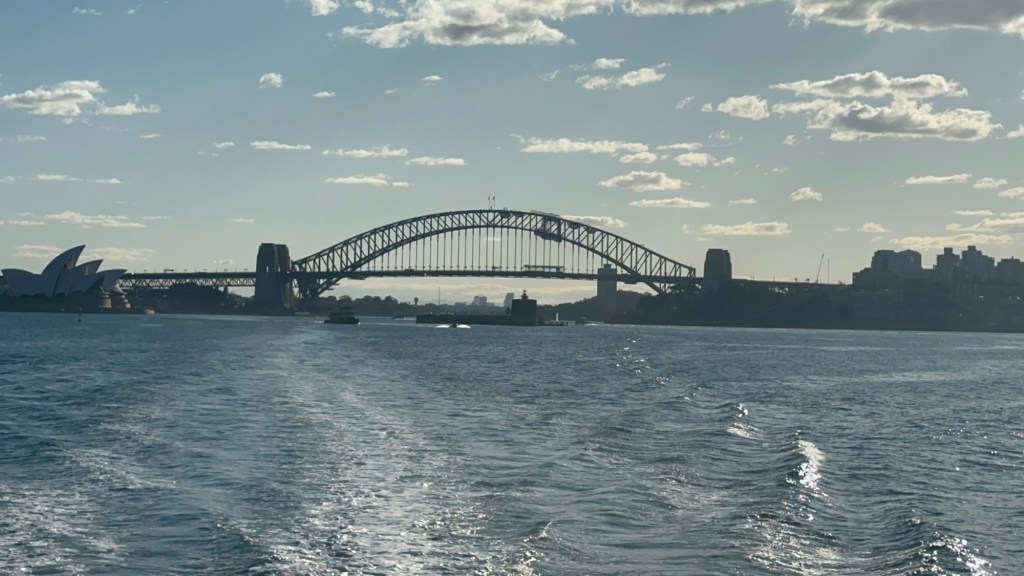
The ferry ride itself was almost as enjoyable as the destination. Cruising through Sydney Harbour gave us fantastic views of the Opera House, Harbour Bridge and Sydney skyline from the water.
We spent the afternoon around Manly before taking the ferry back.
📸 [PHOTOS – Ferry / Opera House from water / Manly Beach]
🍽️ Dinner With an Old College Friend
Later that evening, we met up with one of my college friends and his family.
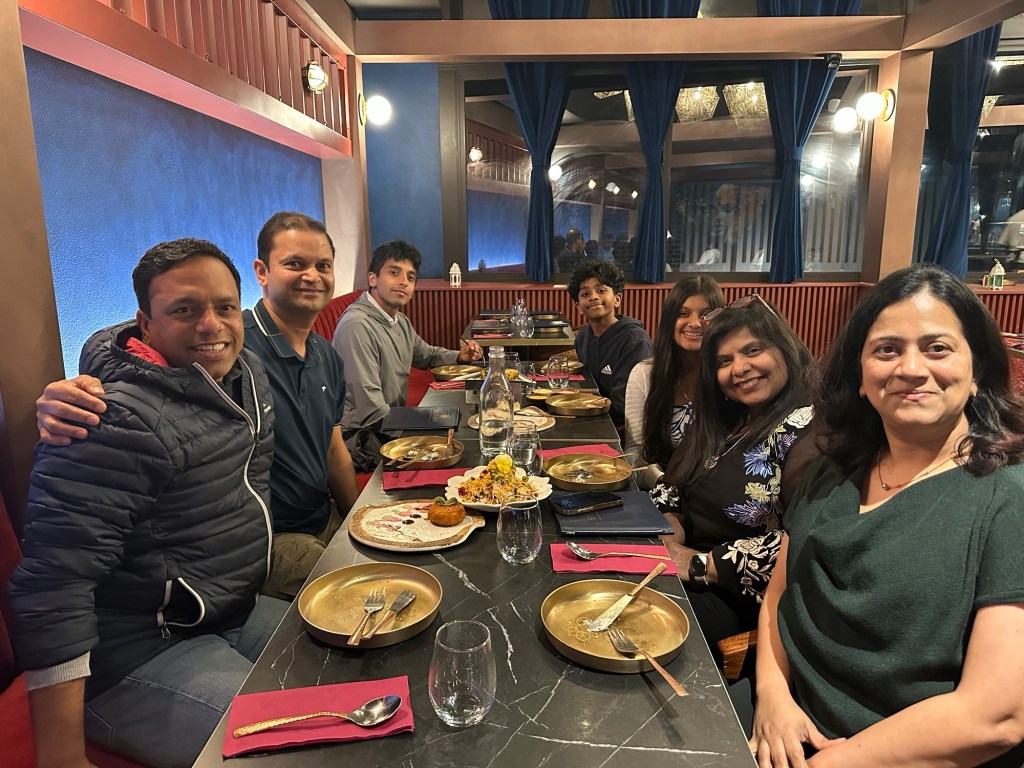
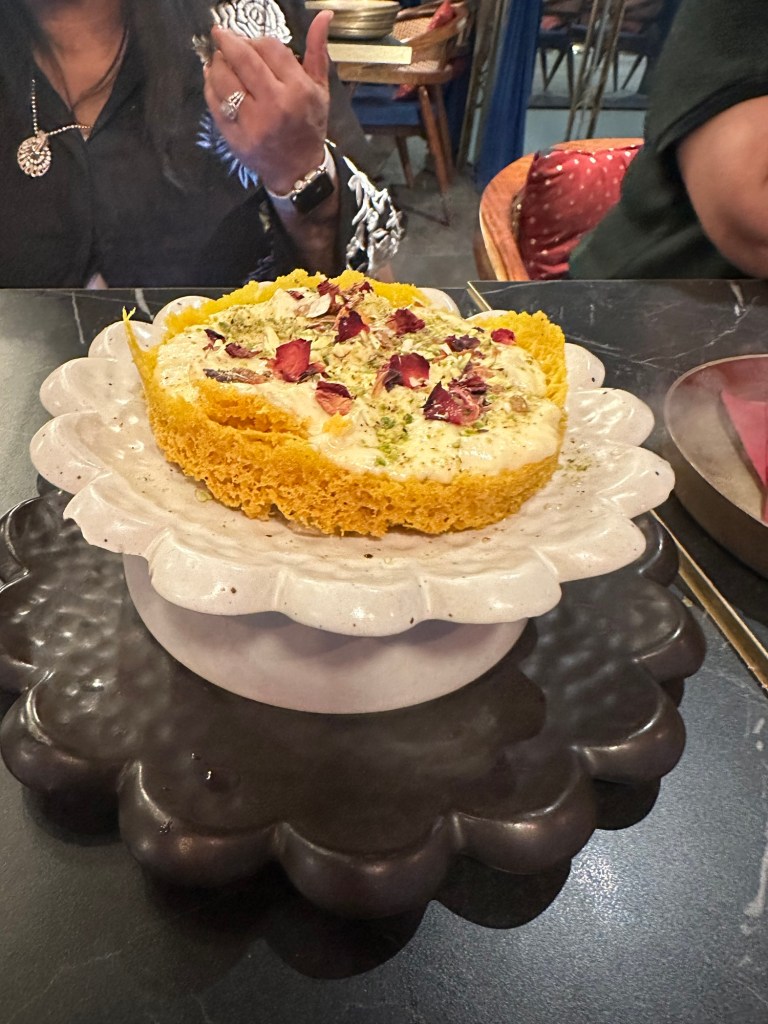
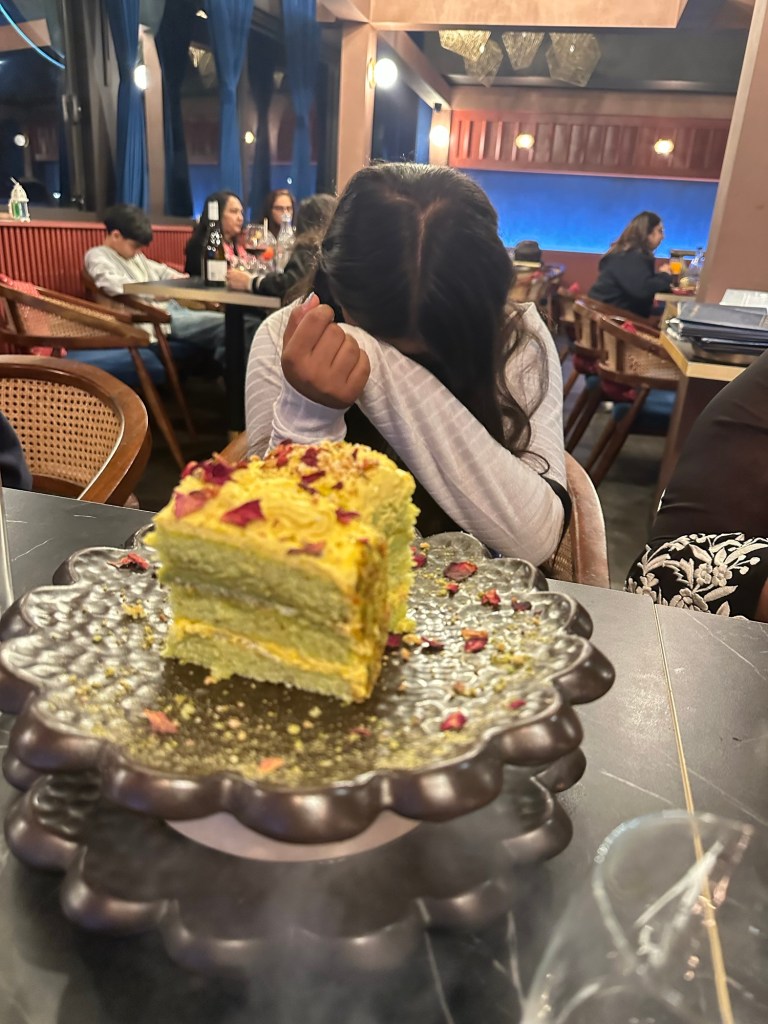
It was wonderful for our families to meet and spend time together. We had dinner at a very good Indian restaurant, where not only was the food delicious, but the presentation of the dishes was fantastic as well.
It was a great way to finish our second day.
📸 [PHOTOS – Dinner / Friends & family ]
🦘 Day 3 – Wednesday
Australian Wildlife & The Blue Mountains
Wednesday was our big day-tour adventure, running from approximately 7 AM to 5 PM.
🐨 Featherdale Wildlife Park
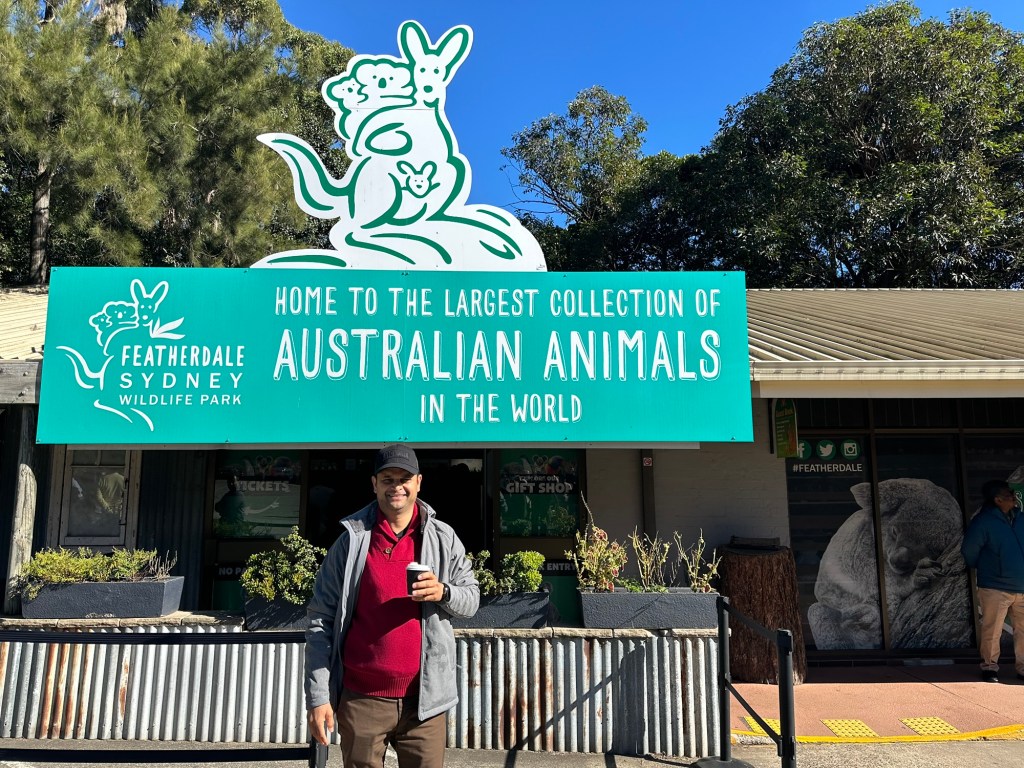
Our first major stop was Featherdale, where we had the opportunity to see Australian wildlife up close.
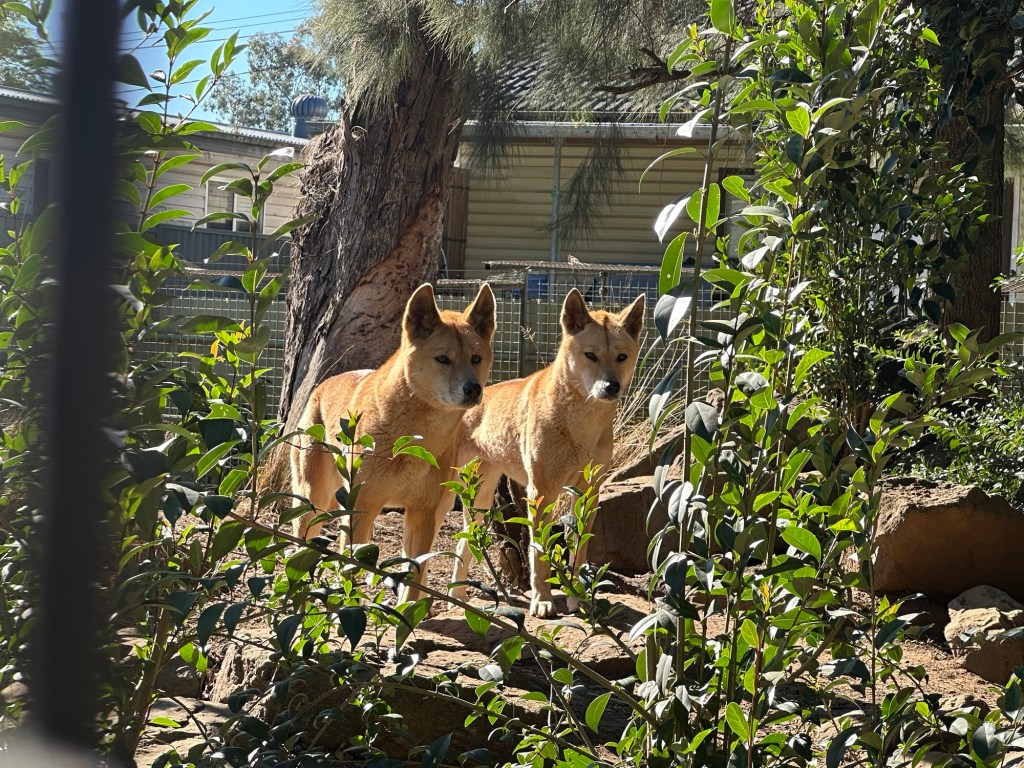
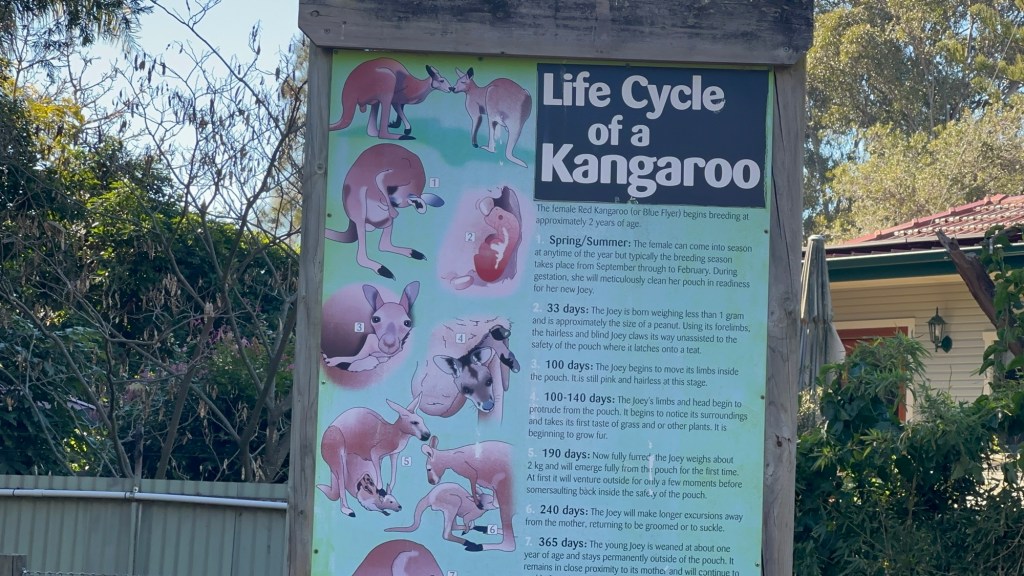
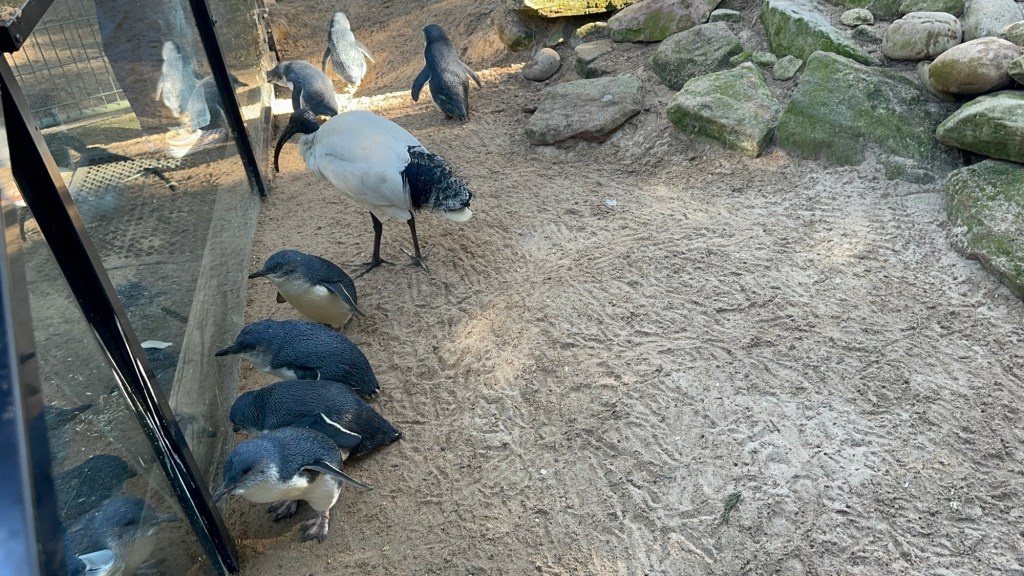
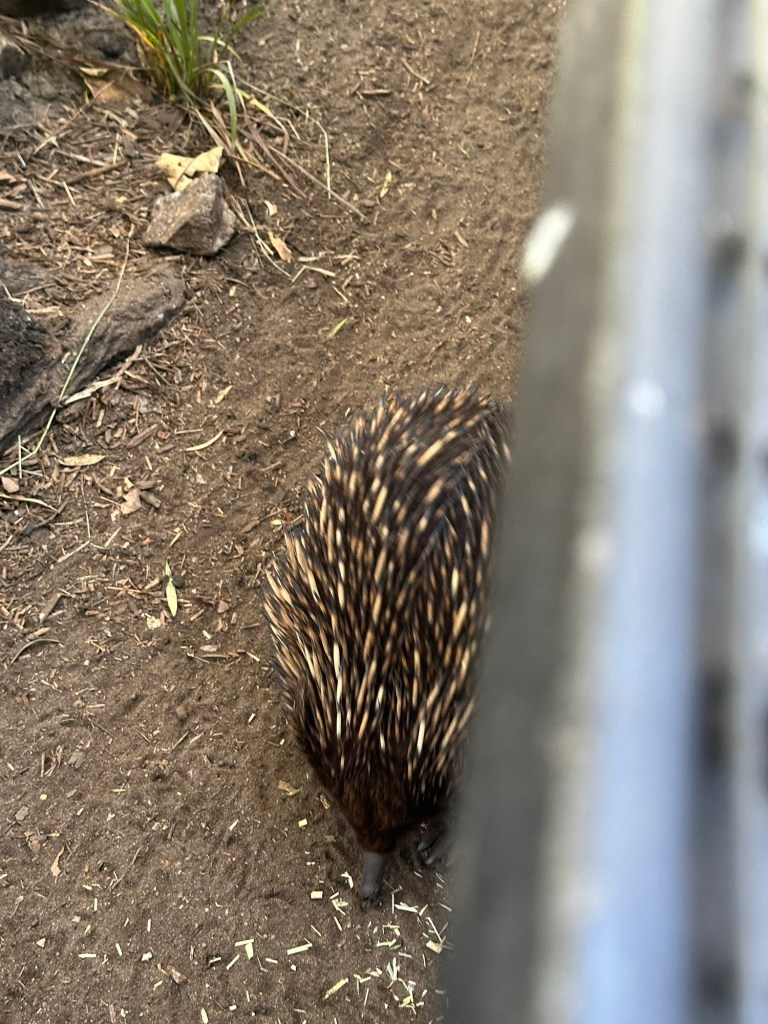
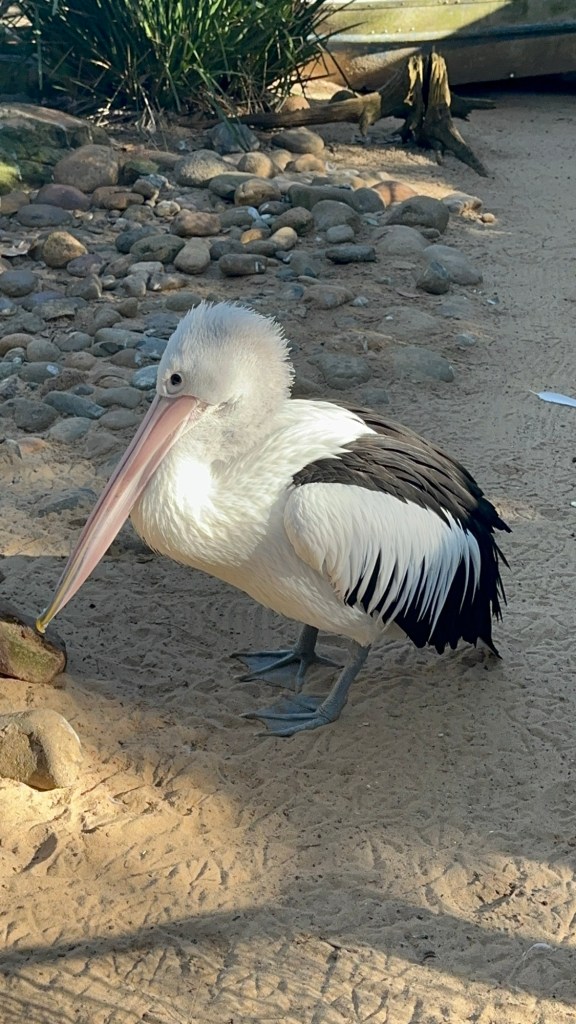
We encountered so many animals and birds that are unique or closely associated with Australia, including koalas, wallabies, kangaroos, dingoes, wombats and Australian pelicans.
Seeing these animals in person was completely different from simply reading about them or seeing them on television.
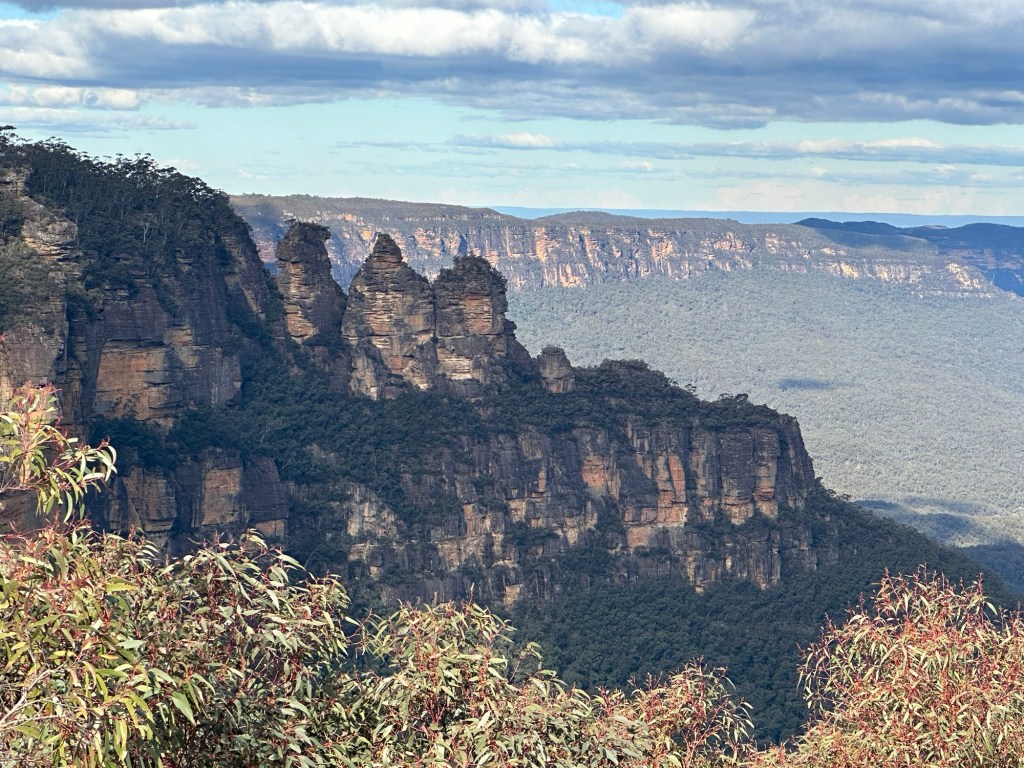
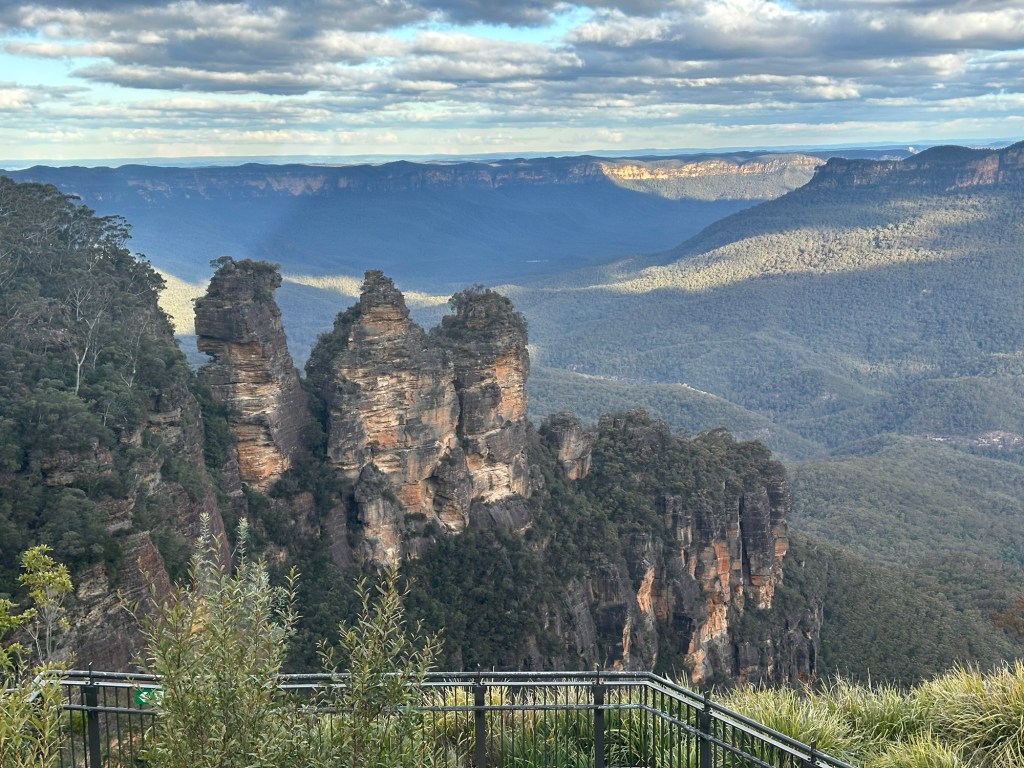
From there, we continued toward the beautiful Blue Mountains and visited Scenic World.
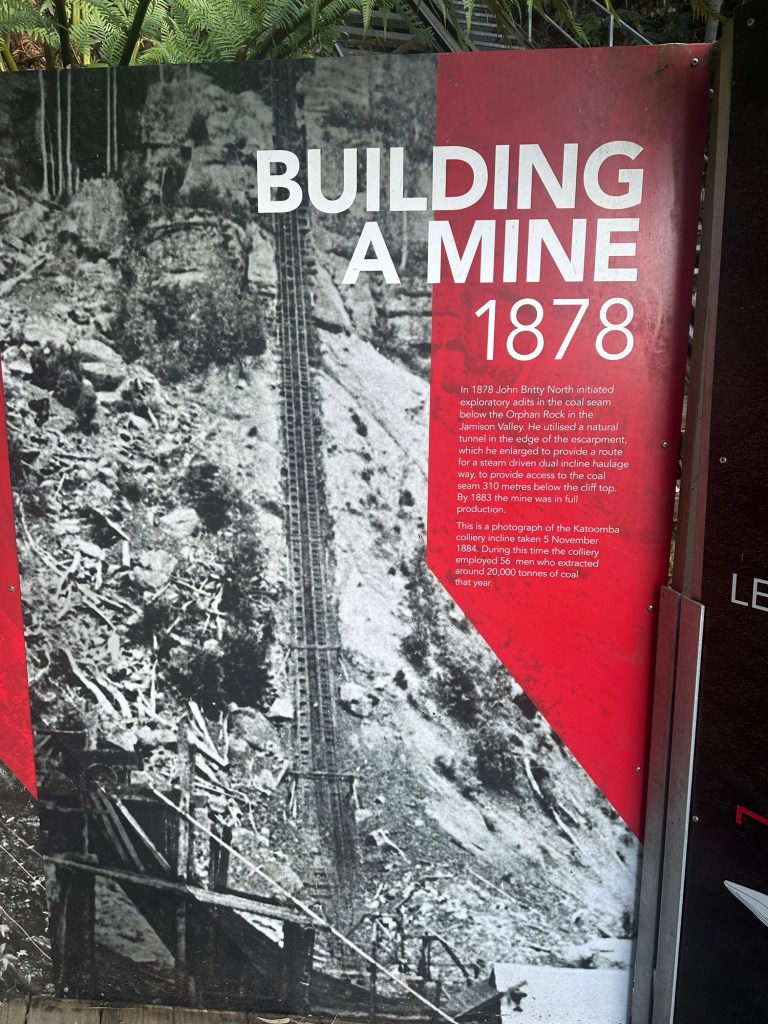
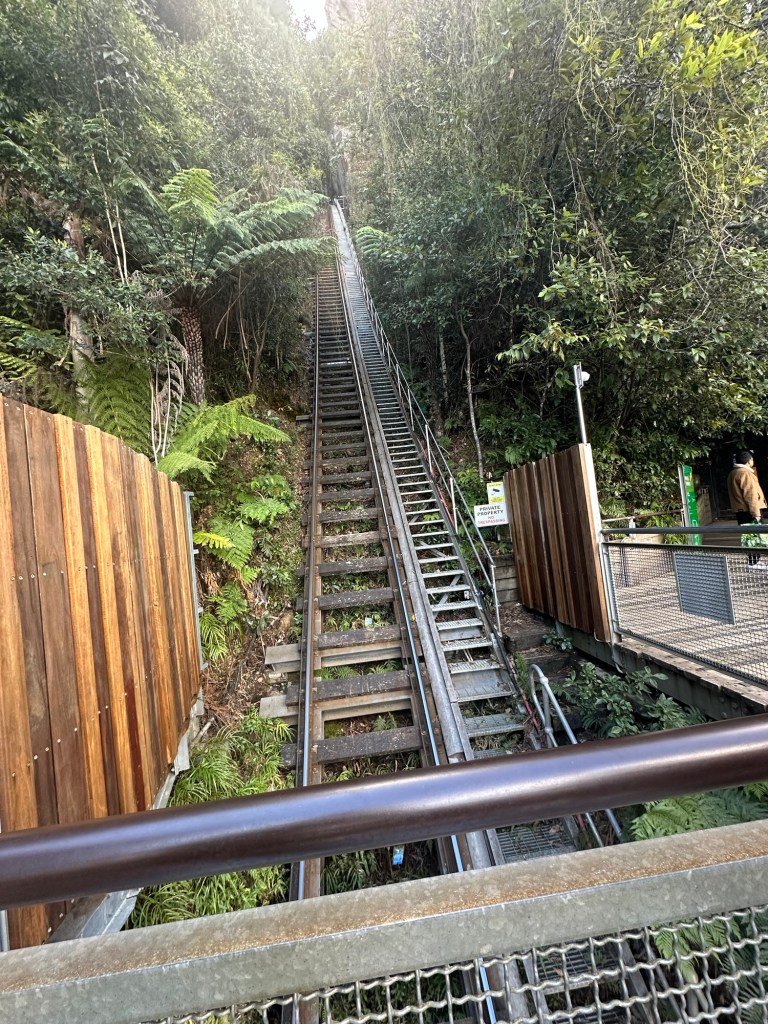
One of the most interesting experiences was riding the Scenic Railway. The railway has its origins in the area’s coal-mining history and was later transformed into a tourist attraction.
We also experienced the cableway, traveling between the top of the mountain area and the valley below. The views of the mountains, cliffs and forests were spectacular.
💡 Interesting Fact: The Blue Mountains get their famous bluish appearance partly from the way sunlight interacts with tiny particles and moisture in the atmosphere above the vast eucalyptus forests.
Climbing Sydney Harbour Bridge & Exploring the Opera House
Thursday turned out to be one of the most memorable days of our Sydney trip because we finally experienced the city’s two greatest icons up close.
🧗 Sydney Harbour Bridge Climb
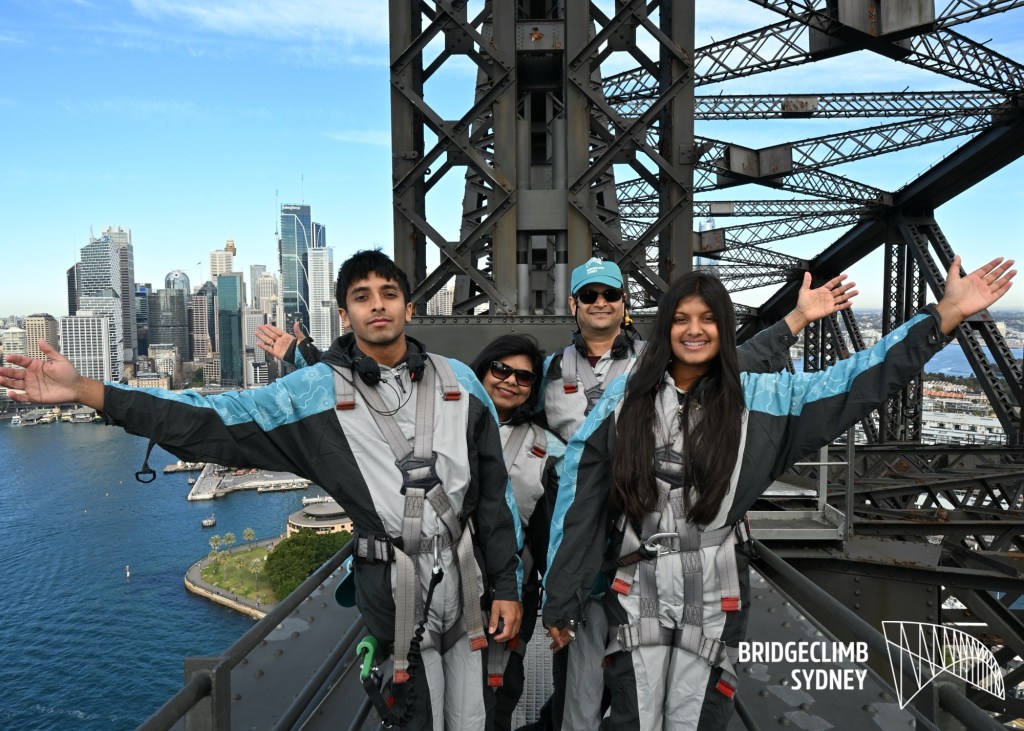
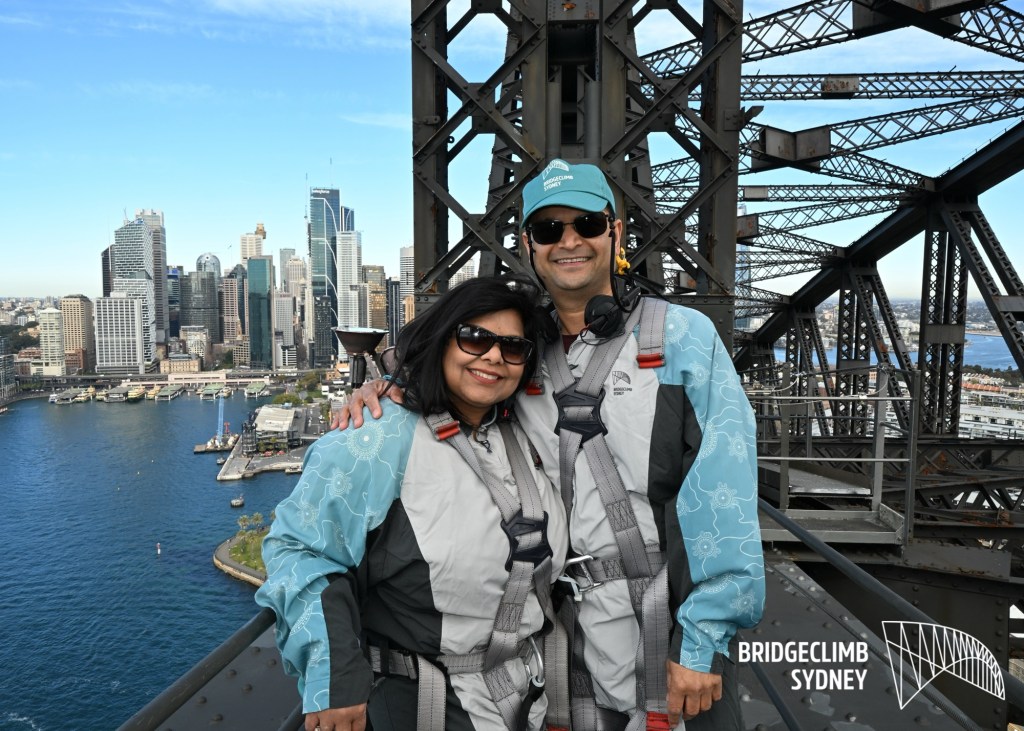
From approximately 9:50 AM to 12:30 PM, we did the Sydney Harbour Bridge Climb.
This was truly a unique experience! Between climbing stairs, ladders and walking across different sections of the bridge, we covered roughly 1,000 steps.
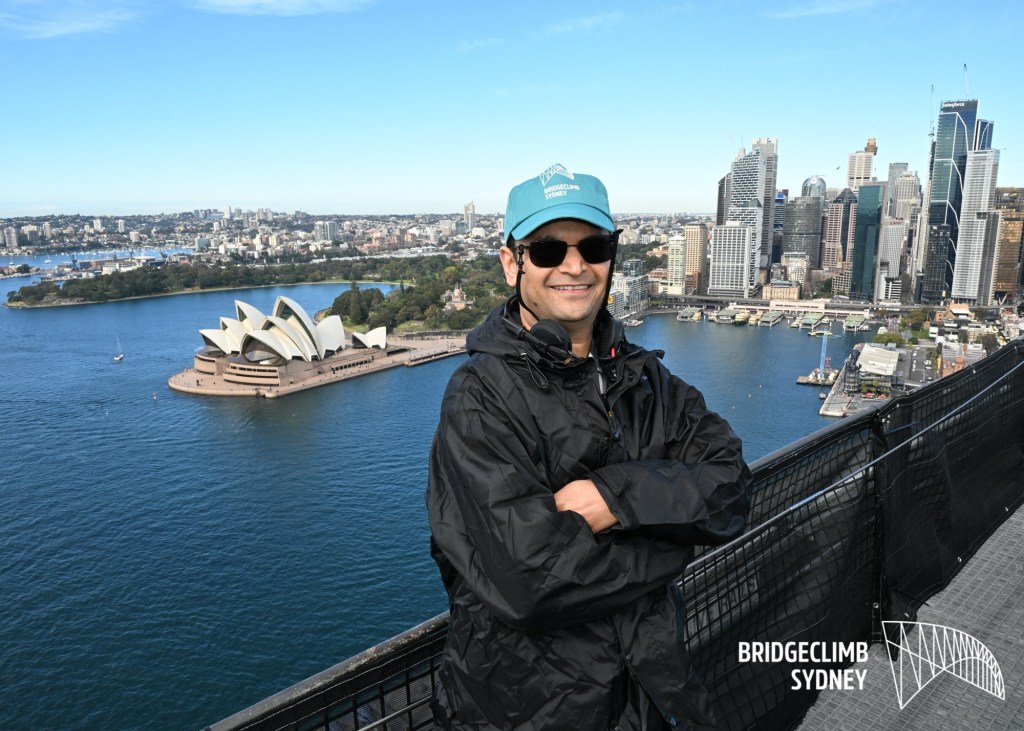
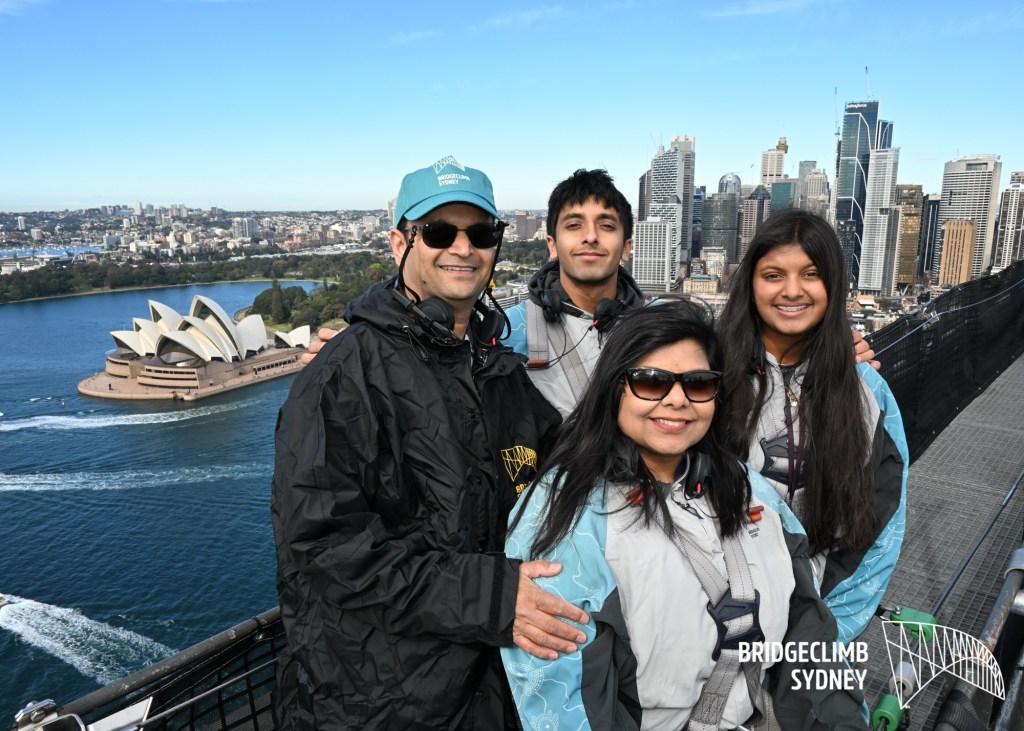
Reaching the upper sections and looking across Sydney Harbour was incredible. After spending the previous few days seeing the Harbour Bridge from below, from Circular Quay and from the ferry, we were now actually standing high above the harbour on the bridge itself!
📸 [PHOTOS – BridgeClimb / Photos from the top]
🎭 Sydney Opera House Tour
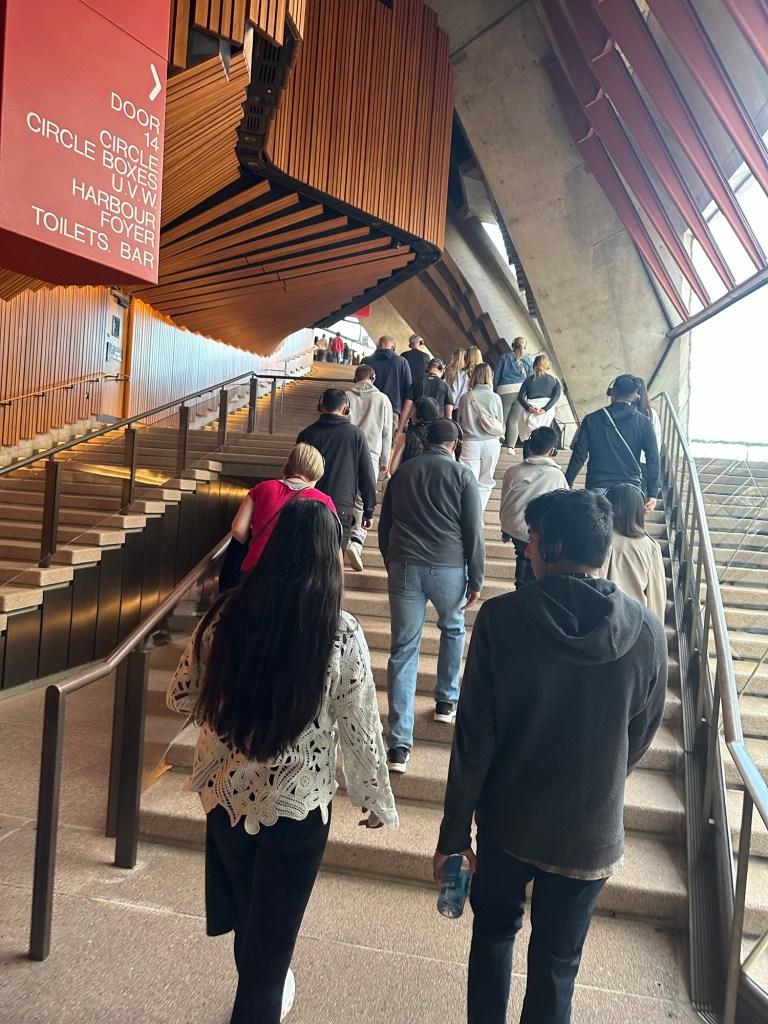
Later that afternoon, from approximately 2:45 PM to 3:45 PM, we toured another Australian icon—the Sydney Opera House.
We had already photographed it from Circular Quay, seen it from the ferry, and viewed it from across the harbour. Now we finally had the opportunity to go inside and learn more about the building itself.
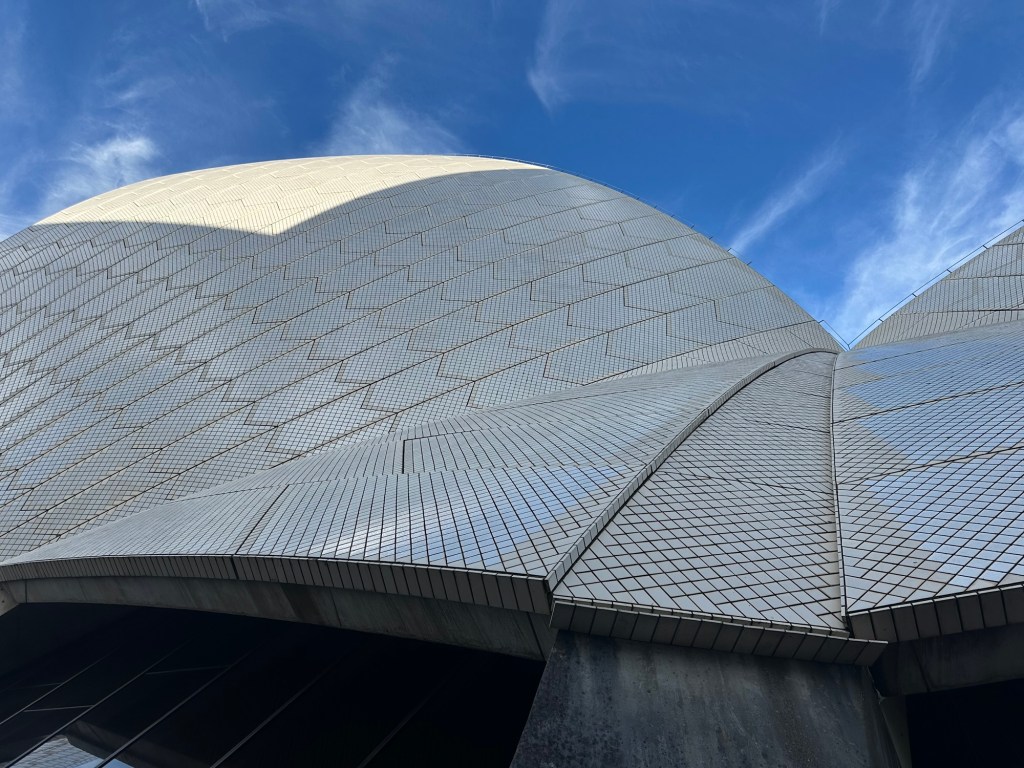
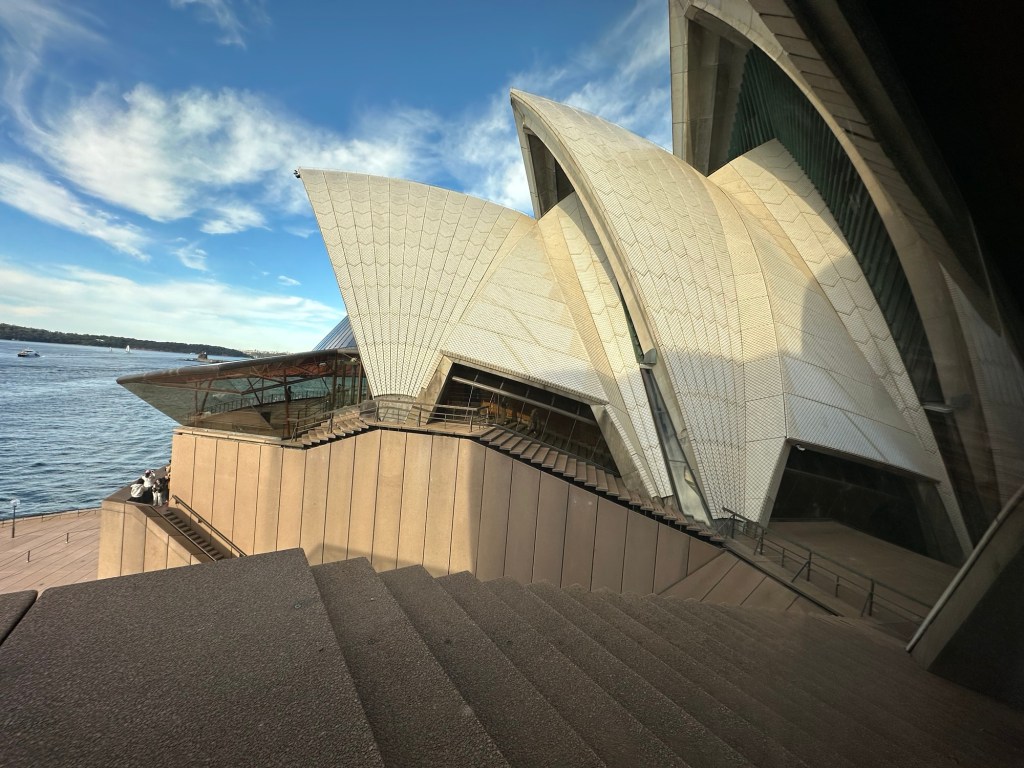
💡 Interesting Fact: The Sydney Opera House was designed by Danish architect Jørn Utzon and officially opened in 1973. Today it is recognized as a UNESCO World Heritage Site.
📸 [PHOTOS – Opera House exterior / Interior / Tour]
🚆 Evening Trip to Gosford
Our Sydney adventure wasn’t finished yet!
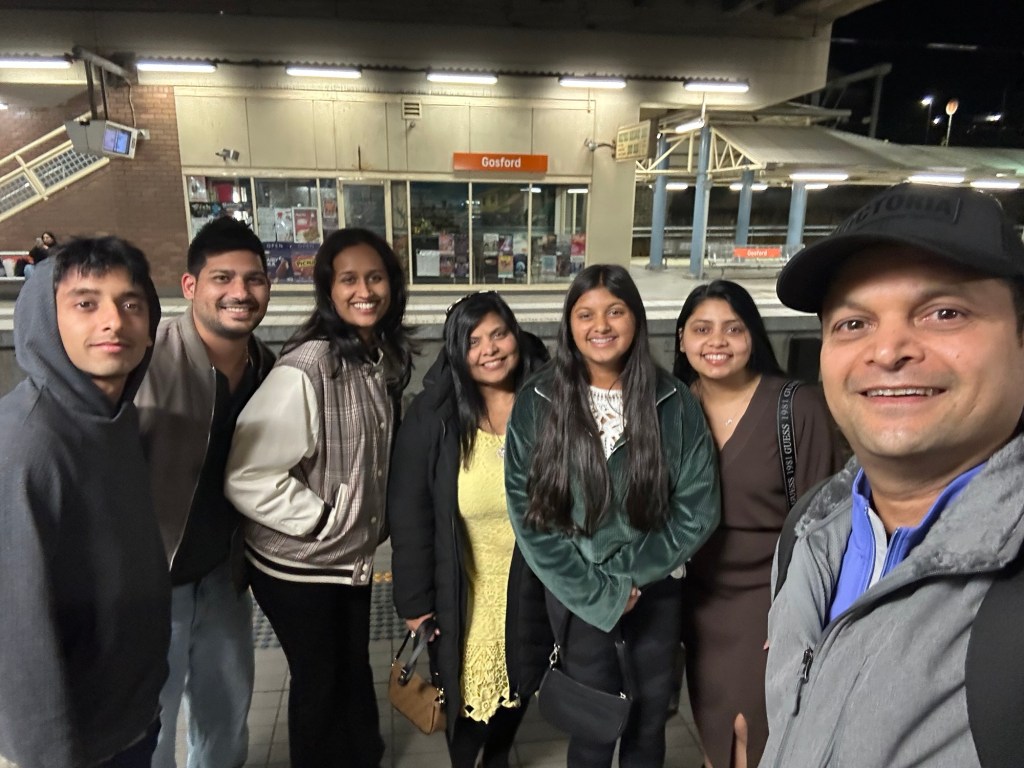
Later that day, we took an almost two-hour train journey to Gosford, New South Wales, where we visited my nephew and enjoyed dinner together.
After four very busy days of sightseeing, it was nice to spend the evening with family.
📸 [PHOTOS – Train journey / Family dinner in Gosford]
✈️ Friday – Goodbye Sydney, Hello Melbourne!
Friday morning it was finally time to say goodbye to Sydney.
We departed our hotel at approximately 8 AM and headed to the airport for our 10:30 AM Virgin Australia flight to Melbourne.
Sydney had given us an incredible introduction to Australia—from its colonial history and famous harbour to Australian wildlife, the Blue Mountains, beaches, art, food, friends and family.
And now it was time for the next chapter…
🇦🇺 Next Stop: Melbourne!
📸 [ADD PHOTO – Sydney Airport / Virgin Australia / Arrival in Melbourne]
Melbourne Day1: On Aug 7th 2026, we arrived at 1:30 PM on as our flight got late.
Melbourne, Australia – Day 1
🇦🇺 The Great Ocean Road: A Journey Through Australia’s Coast, Rainforest, Wildlife & History
Melbourne, Victoria — Australia
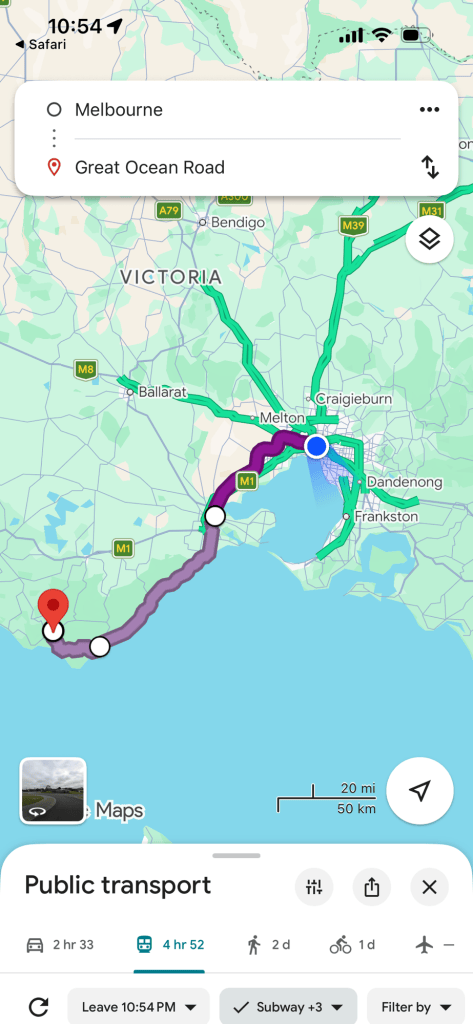
Our day began early. We woke up around 5:30 AM and left Melbourne at approximately 6:20 AM for an almost 11-hour journey along the Great Ocean Road.
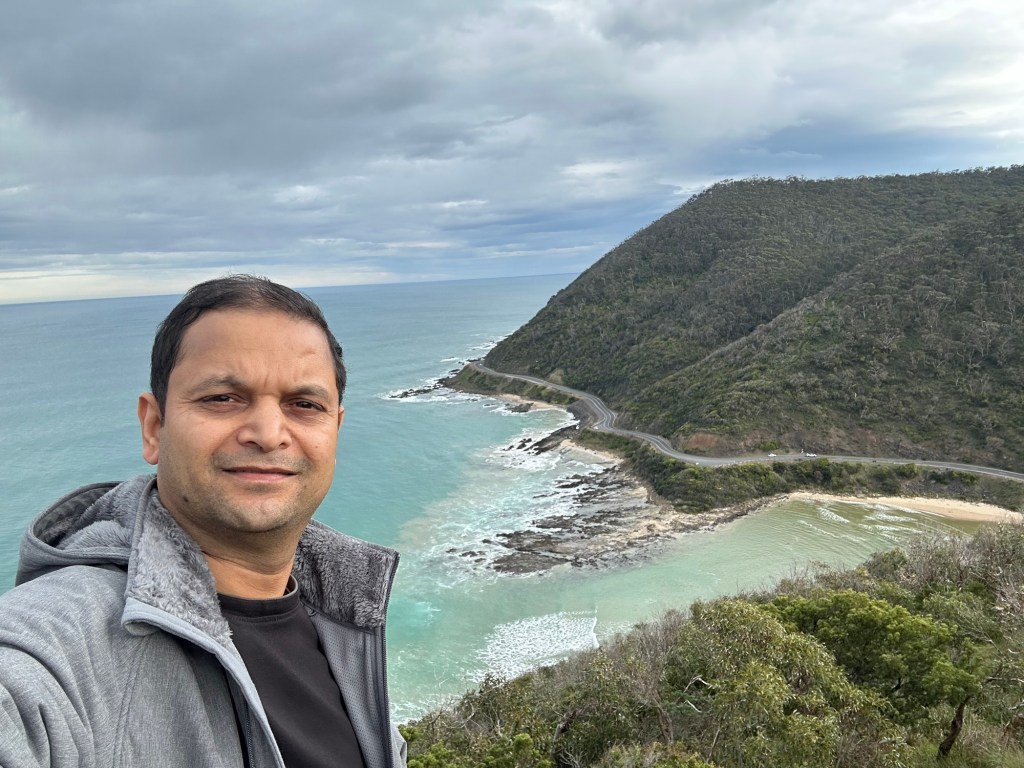
What we expected to be a beautiful coastal drive turned out to be much more—a journey through millions of years of geology, spectacular national parks, Australian war history, shipwreck stories, temperate rainforest, charming coastal towns and native wildlife.
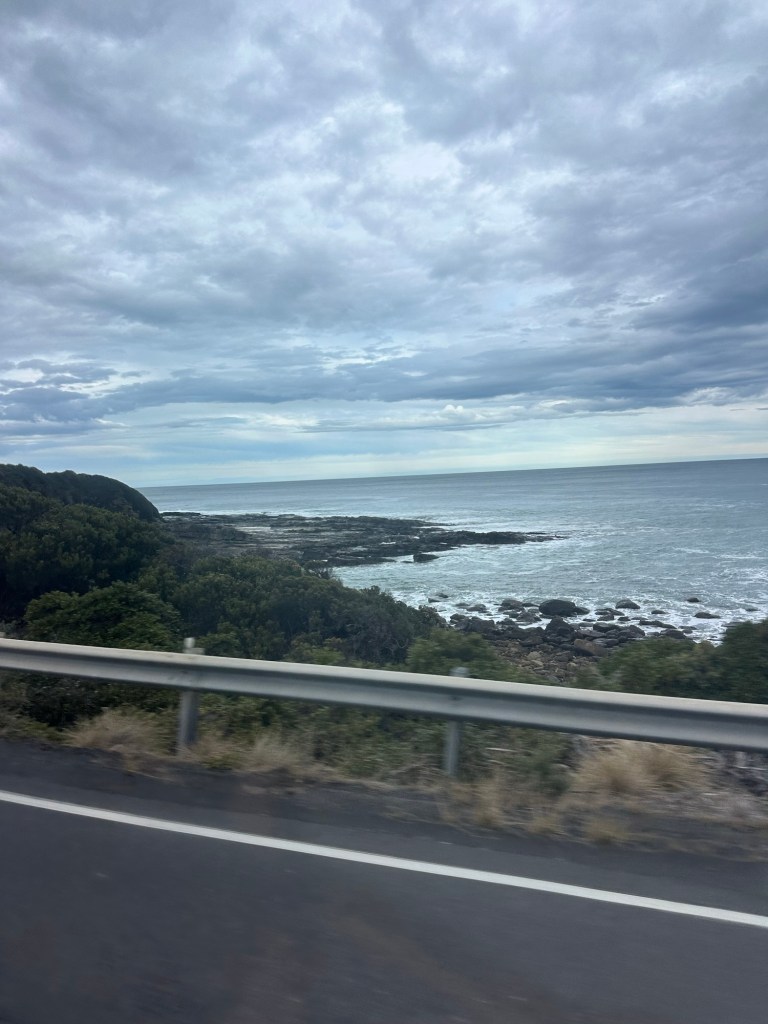
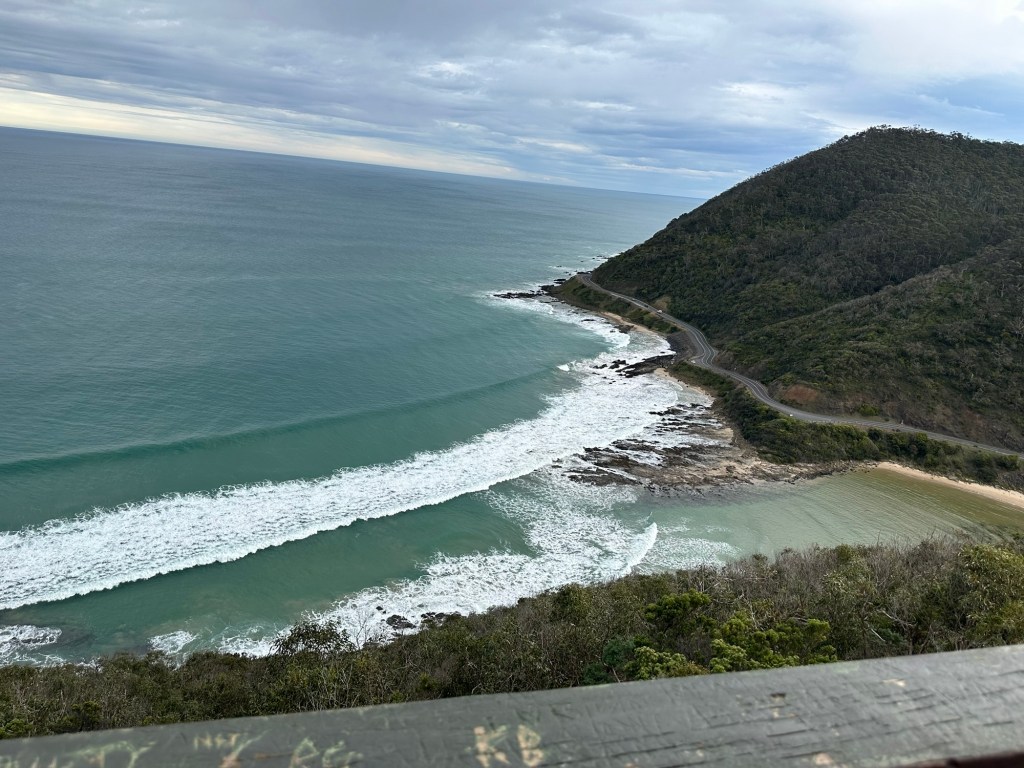
Along the route, we experienced the protected landscapes around Port Campbell National Park and Great Otway National Park, watching the scenery change dramatically from rugged limestone cliffs to dense green forest.
[ 📸 — Great Ocean Road / Coastal View]
🌊 Twelve Apostles — Millions of Years in the Making
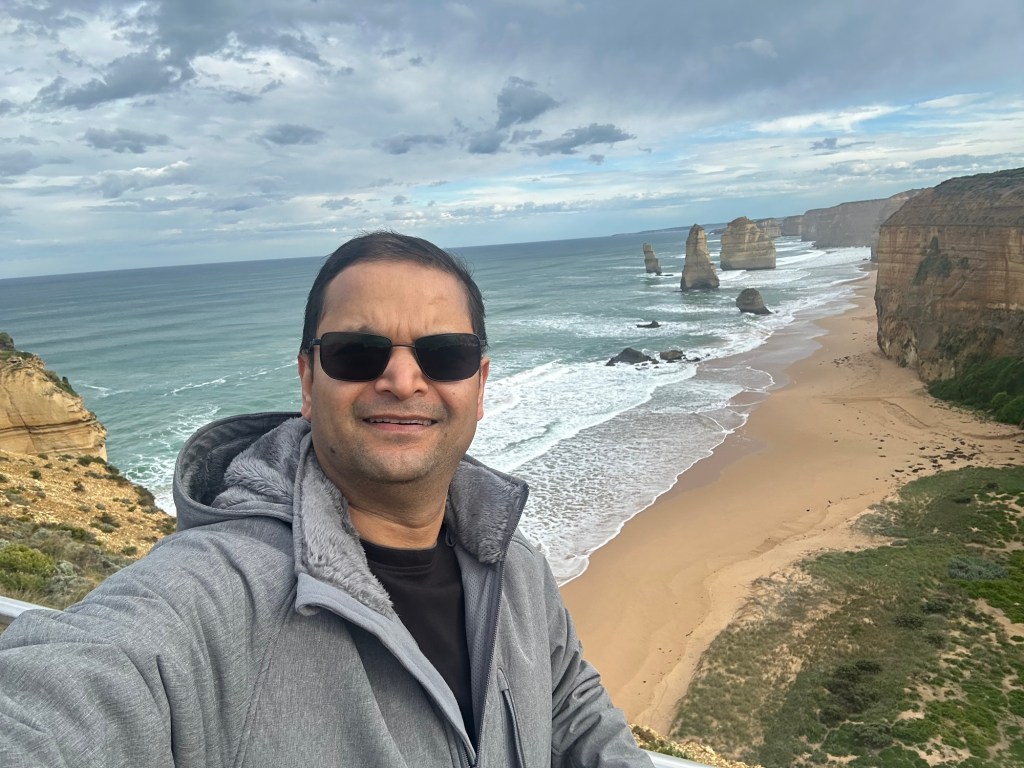
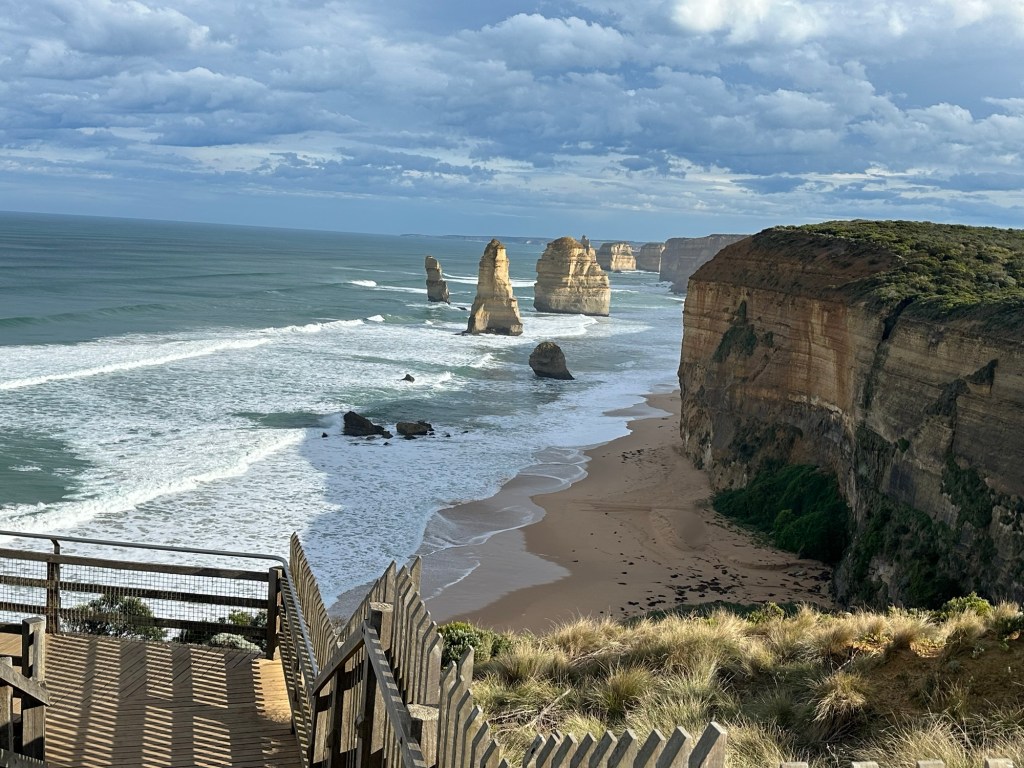
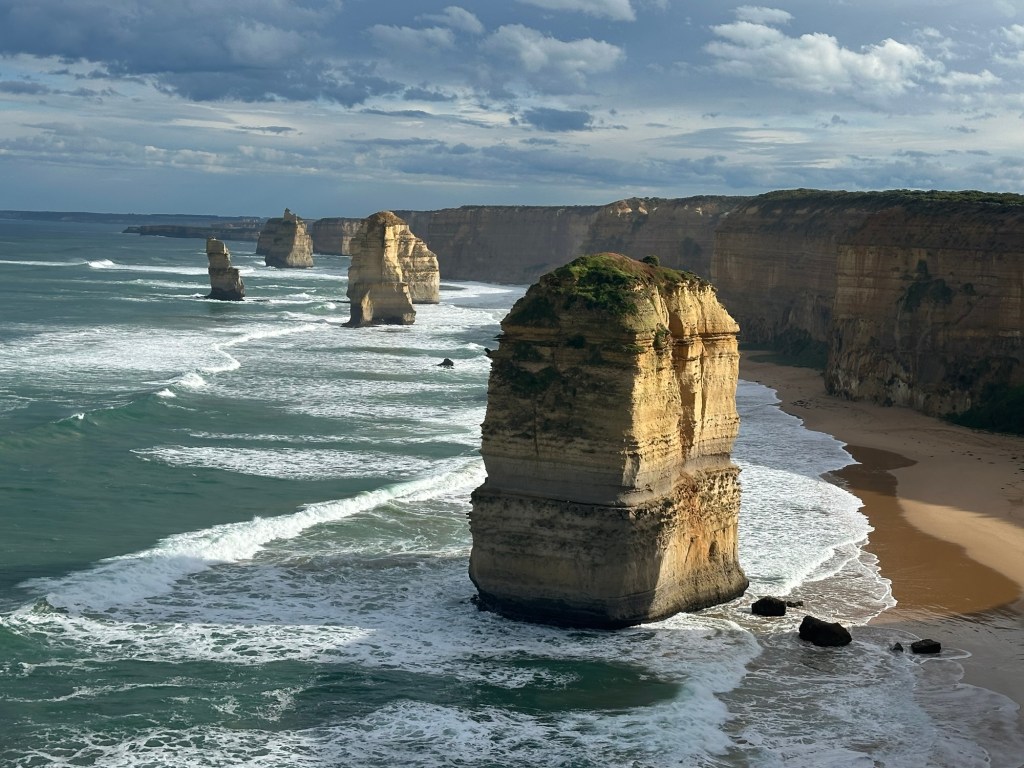
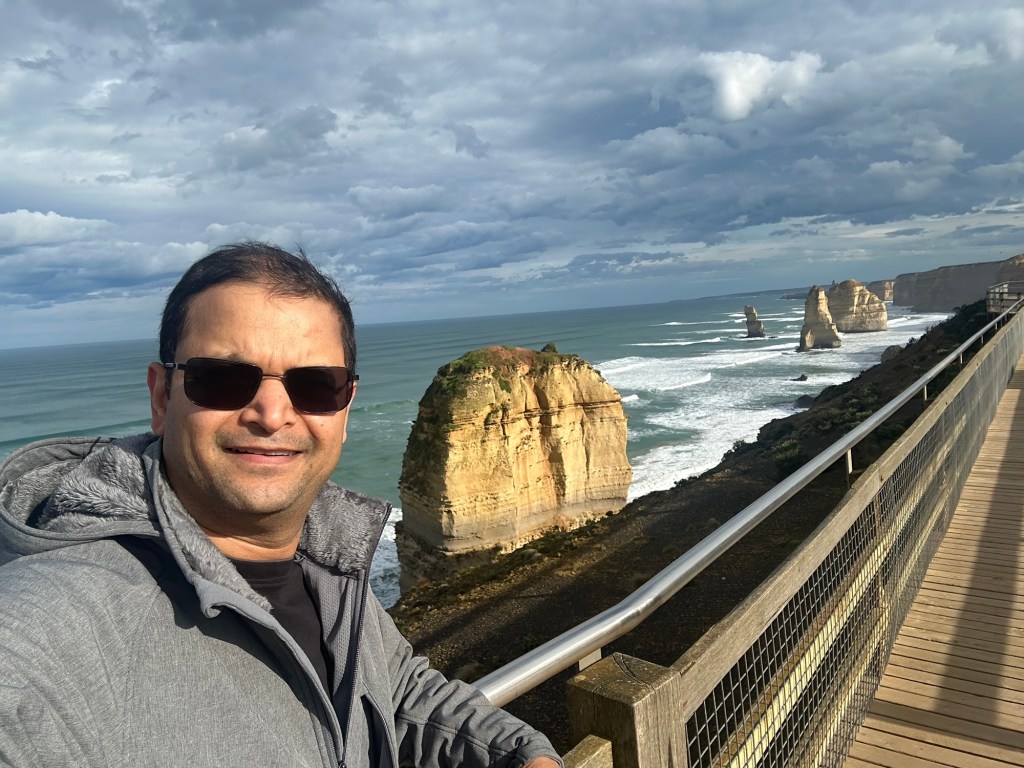
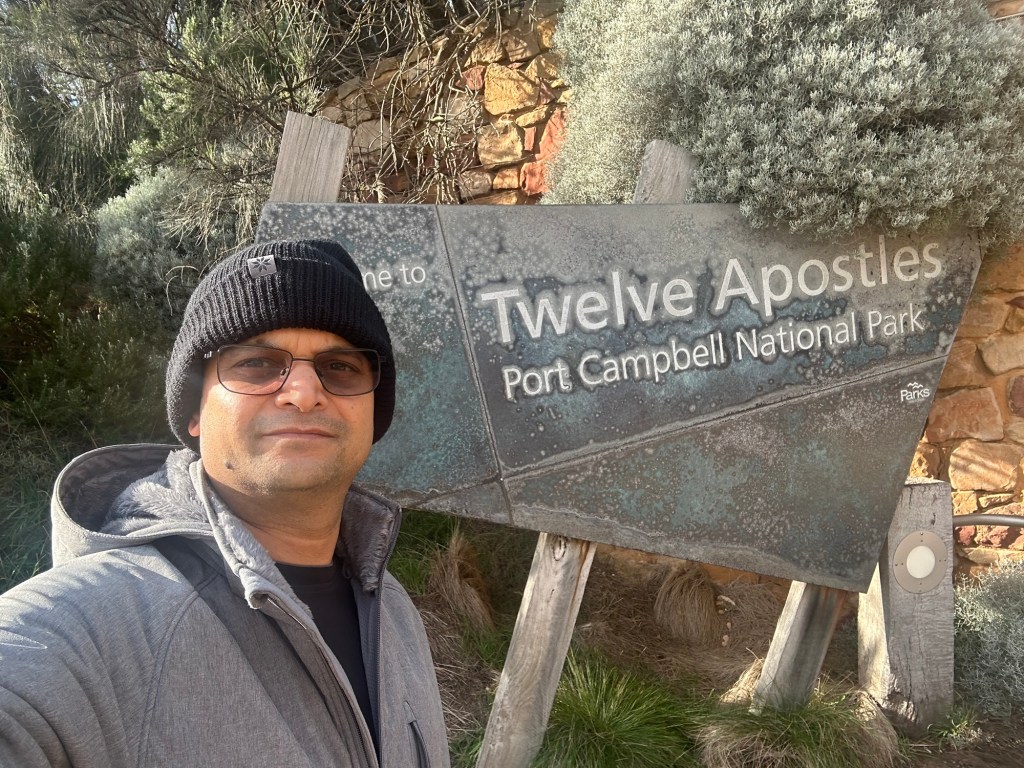
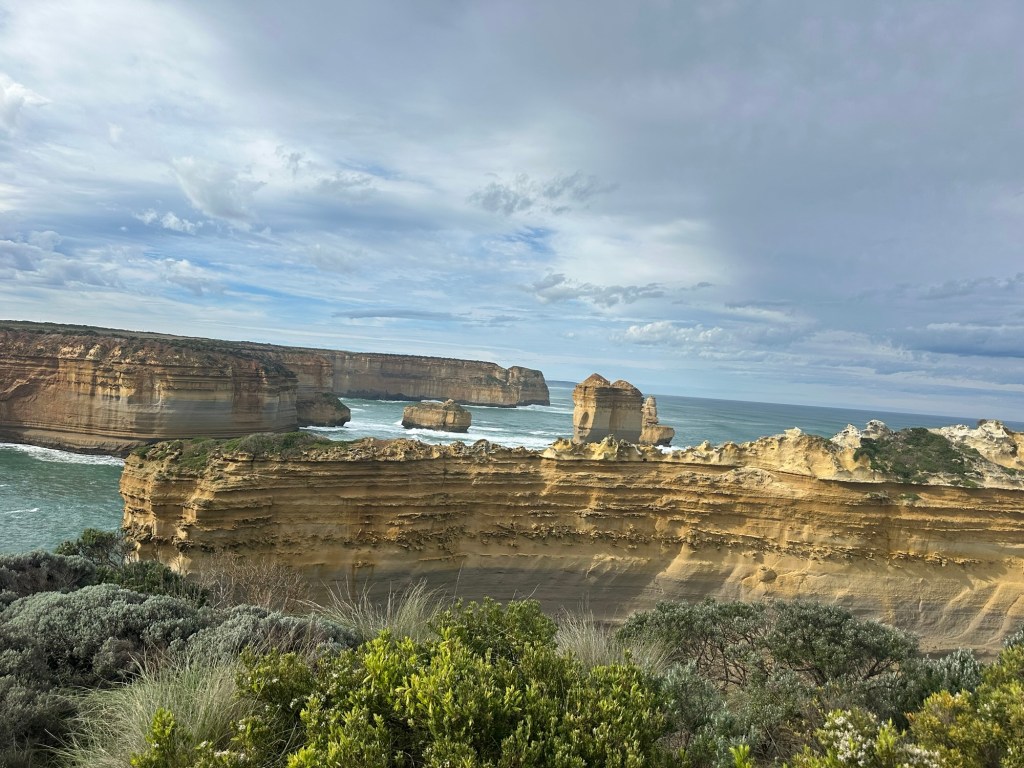
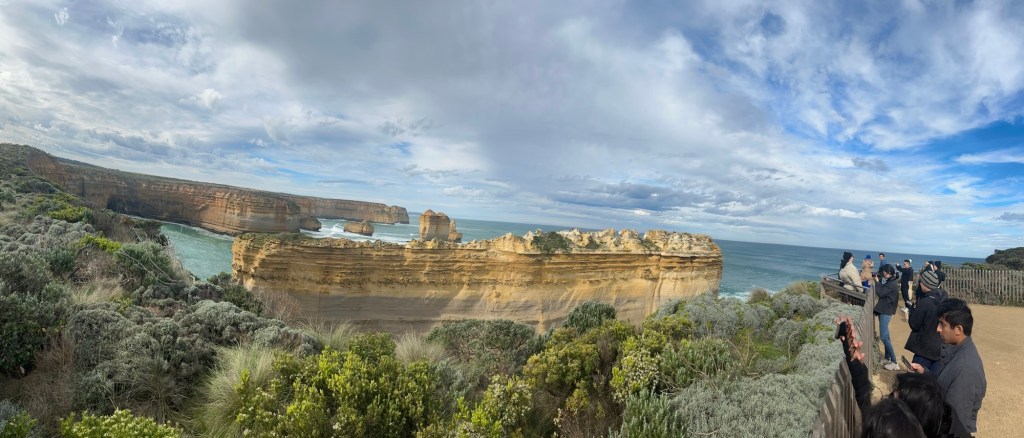
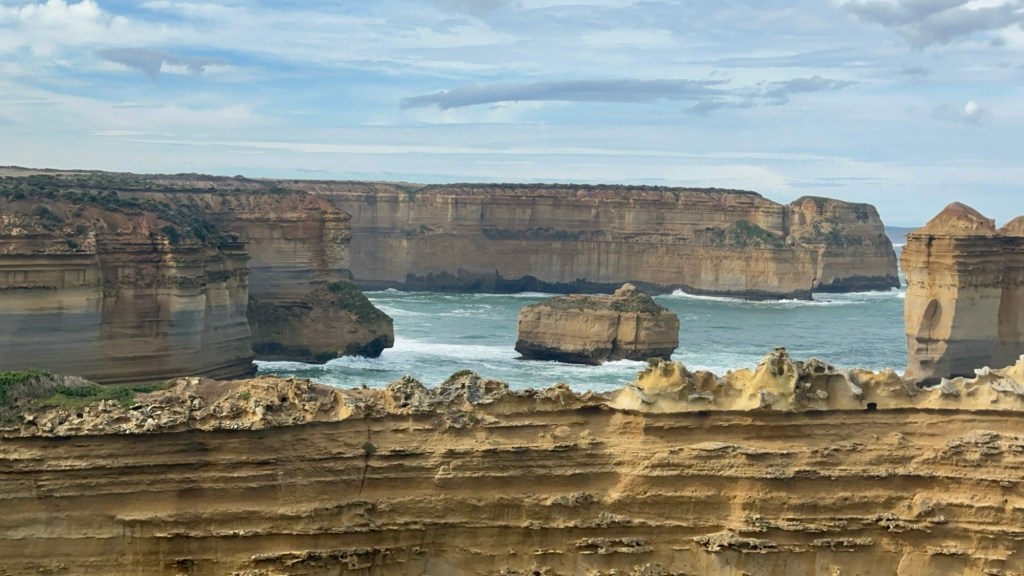
Our first major attraction was perhaps the most famous landmark on the Great Ocean Road—the Twelve Apostles, located within Port Campbell National Park.
[ 📸 PHOTO — Twelve Apostles ]
The enormous limestone cliffs and pillars we see today have a fascinating geological story.
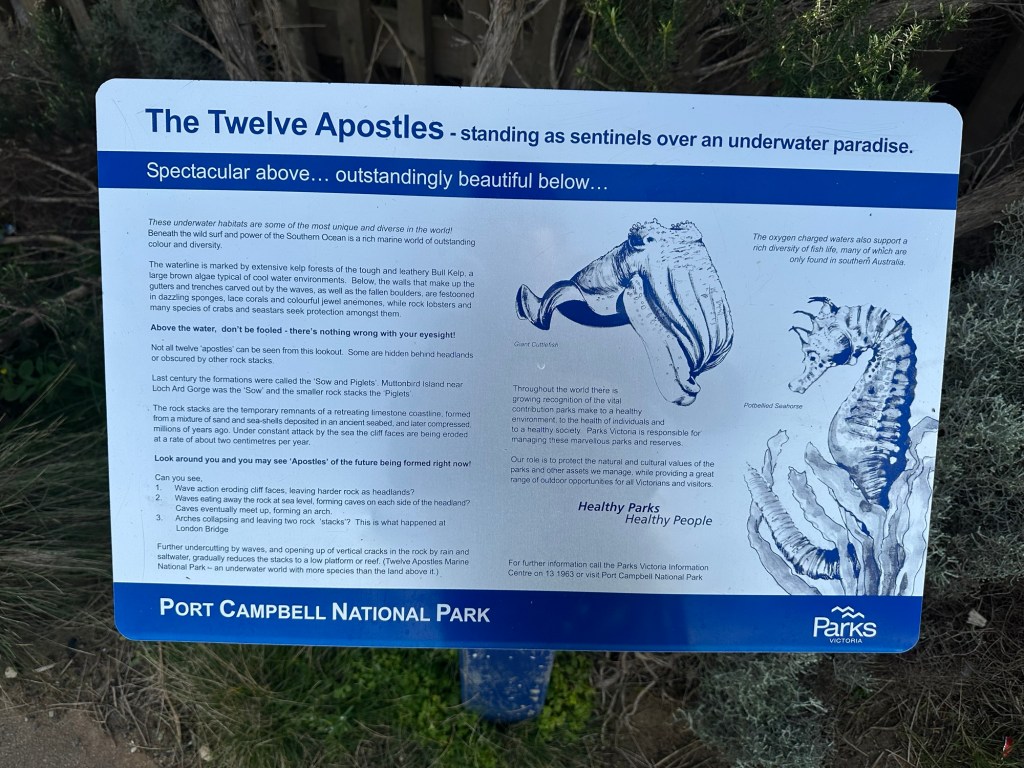
The limestone began forming from marine sediments millions of years ago, when this area was beneath the sea. Over time, geological uplift exposed the limestone. The powerful Southern Ocean then went to work.
Waves, wind and rain gradually attacked weaknesses in the cliffs, creating:
The process continues even today. Eventually some existing stacks will collapse, while erosion may create new ones.
And despite the famous name, an interesting fact is that there were never actually twelve Apostles! The formations were previously known by the much less glamorous name “The Sow and Piglets” before being renamed the Twelve Apostles for tourism.
Standing there with the Southern Ocean crashing against these enormous formations was one of the most impressive sights of our Australian trip.
🌊 Loch Ard Gorge & the Shipwreck Coast
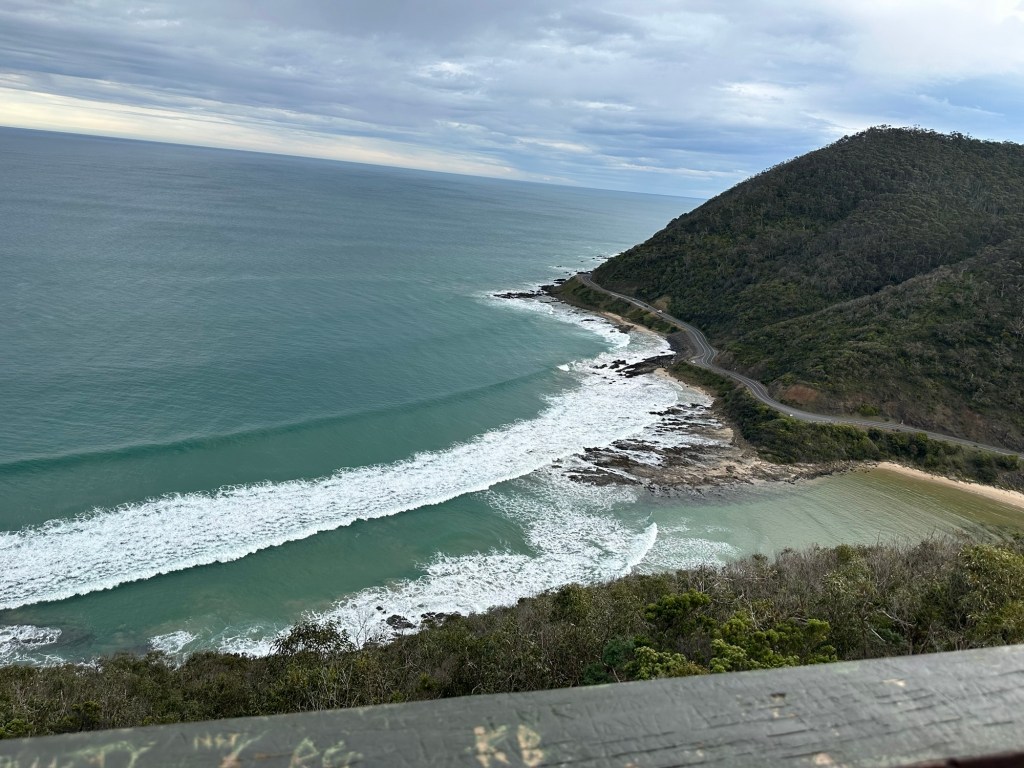
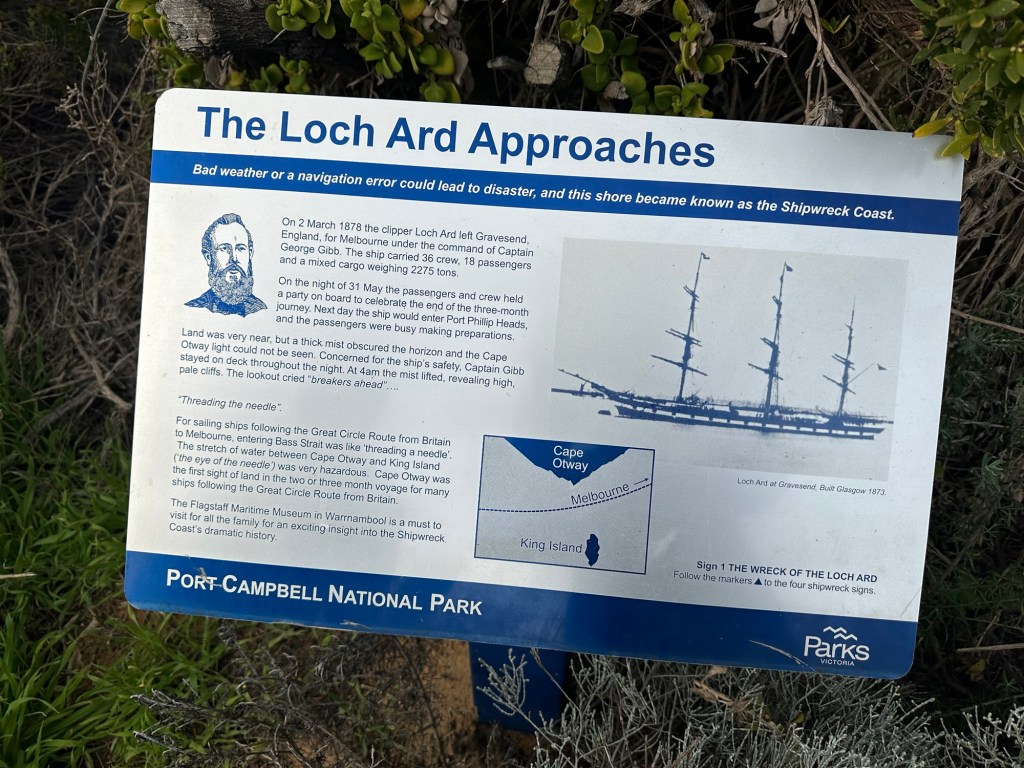
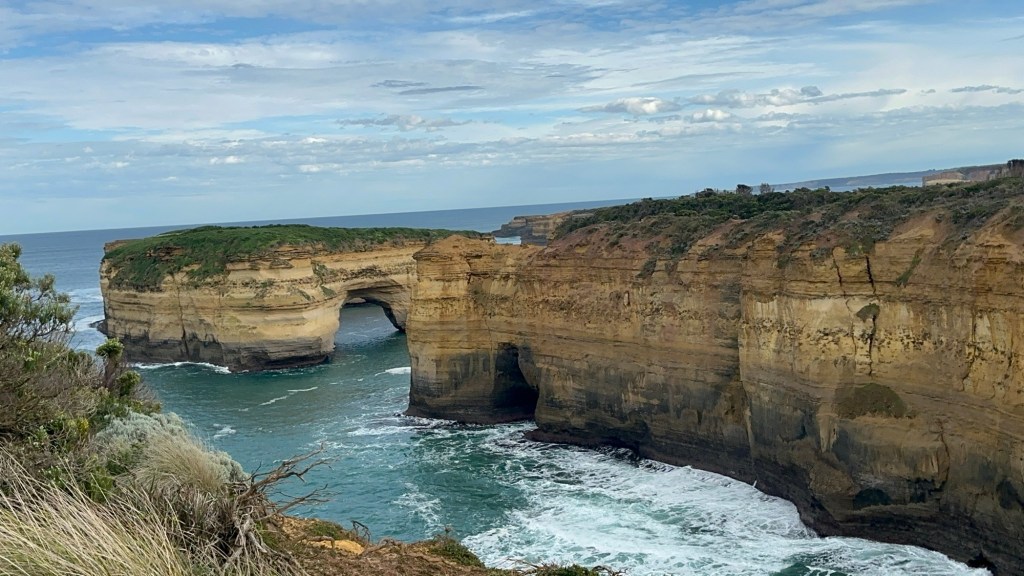
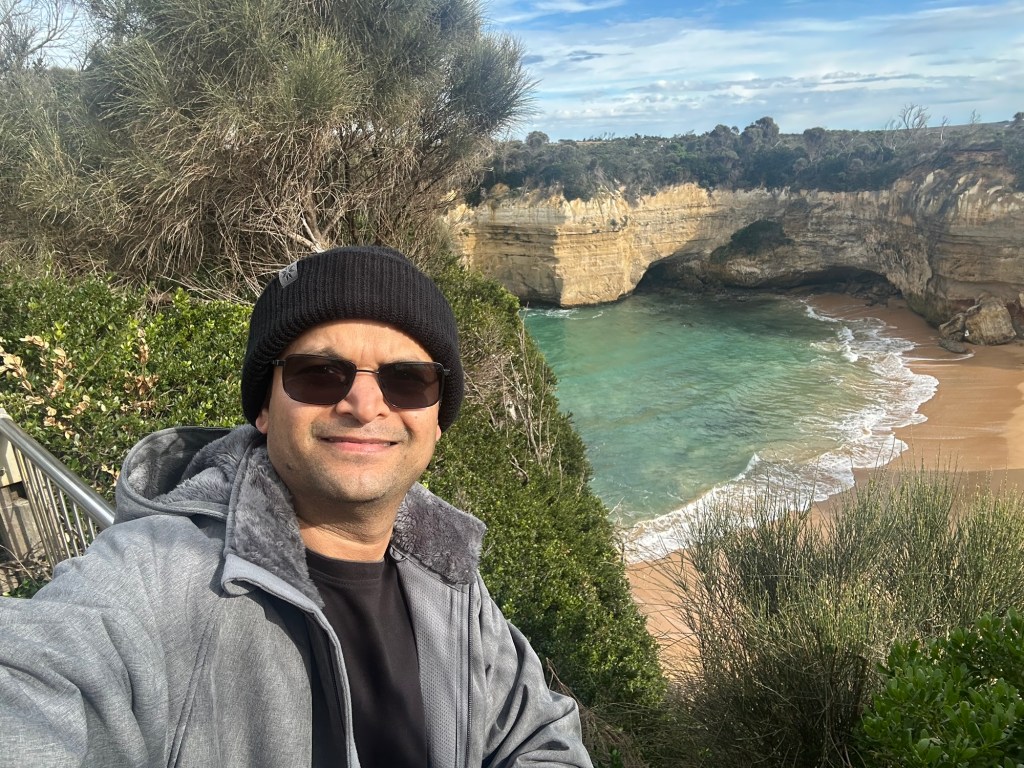
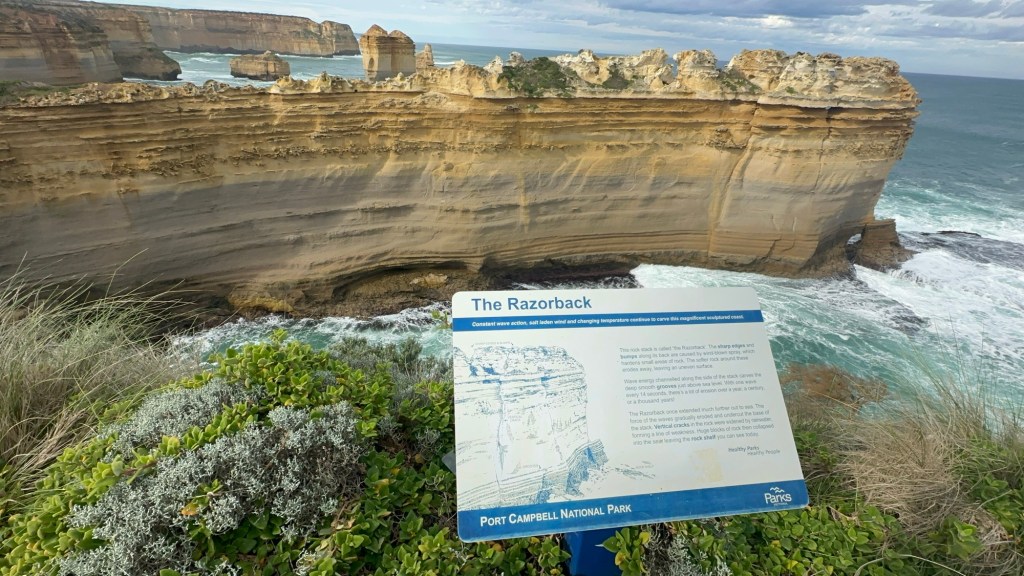
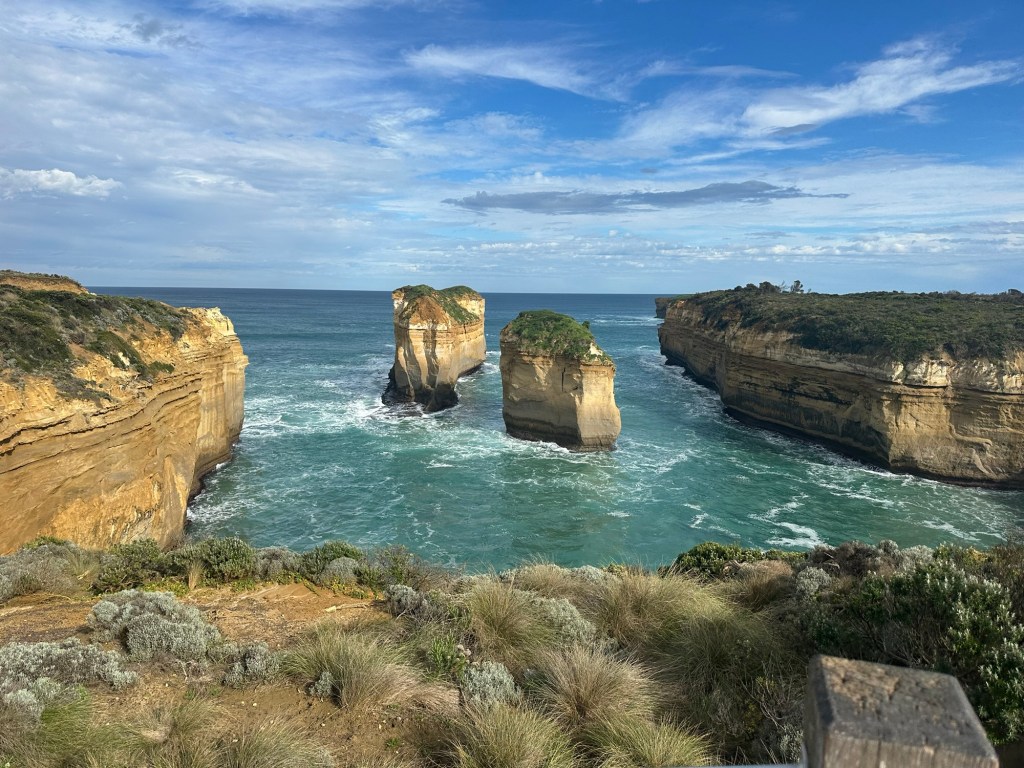
Our next major experience was Loch Ard Gorge, another spectacular part of Port Campbell National Park.
[ 📸 PHOTO — Loch Ard Gorge ]
The beauty of this coastline hides a dangerous history.
This stretch of Victoria became known as the Shipwreck Coast because numerous ships were lost along its cliffs and reefs during the era when sailing ships carried immigrants and cargo between Europe and Australia.
One of the most famous disasters occurred in 1878, when the sailing ship Loch Ard struck rocks near here.
Of the 54 people aboard, only two survived—young Tom Pearce and Eva Carmichael.
The gorge was subsequently named after the ship.
Looking at the violent waves and towering cliffs today, it isn’t difficult to imagine why navigating this coastline before modern GPS, radar and accurate weather forecasting could be so dangerous.
🎖️ The Great Ocean Road — A Living War Memorial
One of the most interesting things we learned from our guide was that the road itself has an important connection with World War I.
Australia entered the First World War alongside Britain in 1914. More than 400,000 Australians enlisted, and over 60,000 lost their lives.
Australian and New Zealand soldiers became particularly associated with the ANZAC tradition, following campaigns such as Gallipoli.
After the war ended in 1918, thousands of Australian servicemen returned home needing employment and a transition back into civilian life.
Beginning in 1919, around 3,000 returned servicemen helped construct the Great Ocean Road.
Imagine building this road a century ago.
There were no modern excavators or GPS-guided construction equipment. Workers used picks, shovels, wheelbarrows, explosives and relatively basic machinery to carve a route through forests and steep coastal cliffs.
The road eventually stretched approximately 240 km (150 miles).
Today, it is widely described as the world’s largest war memorial, dedicated to those who served during World War I.
Knowing this history made driving along the road feel very different—it wasn’t simply a scenic highway anymore.
🌿 Great Otway National Park — Into the Rainforest
After spending much of the morning beside the ocean, the landscape suddenly changed.
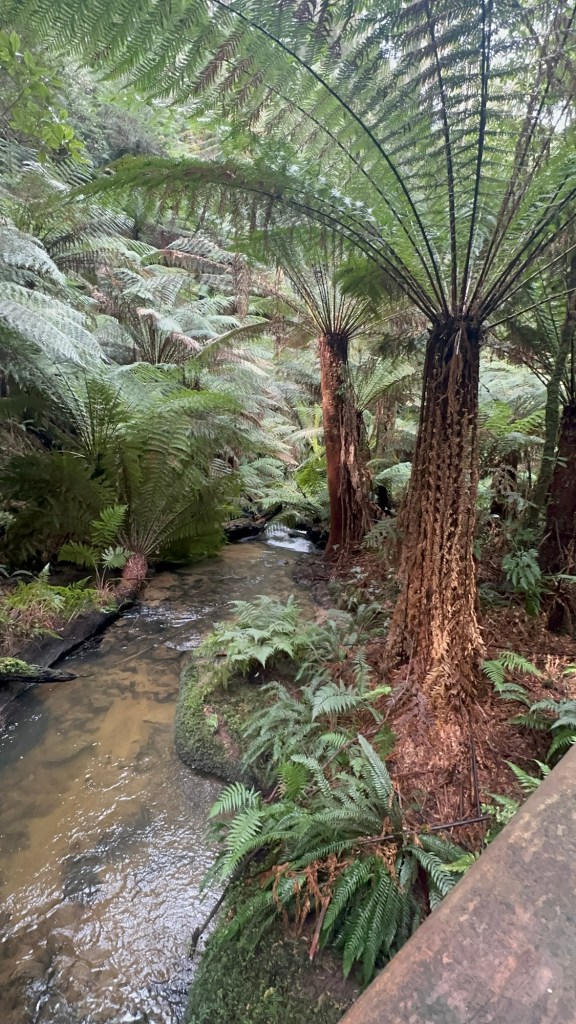
We entered the beautiful forests of Great Otway National Park.
[ 📸 Great Otway National Park ]
This was one of my favorite parts of the trip.
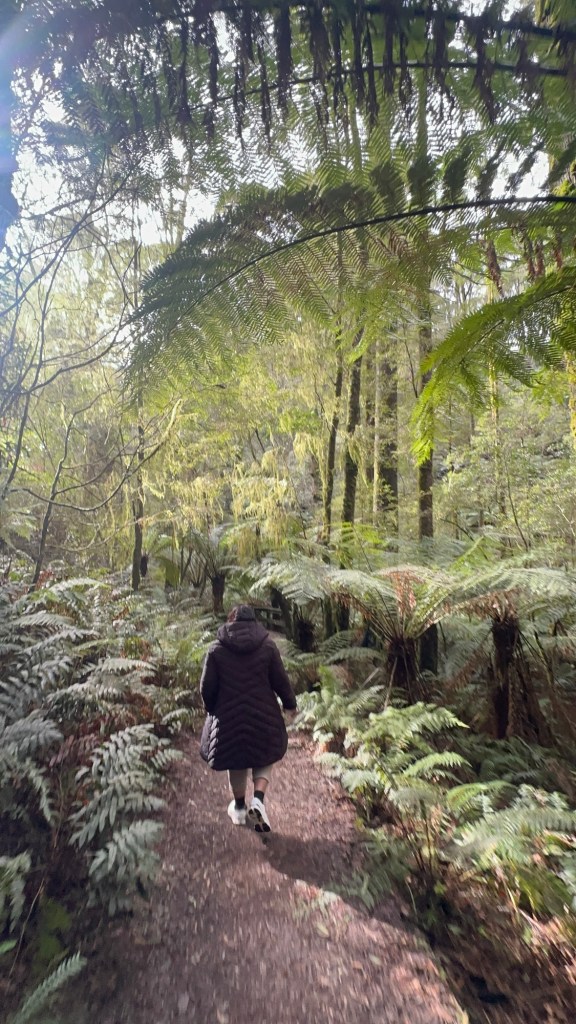
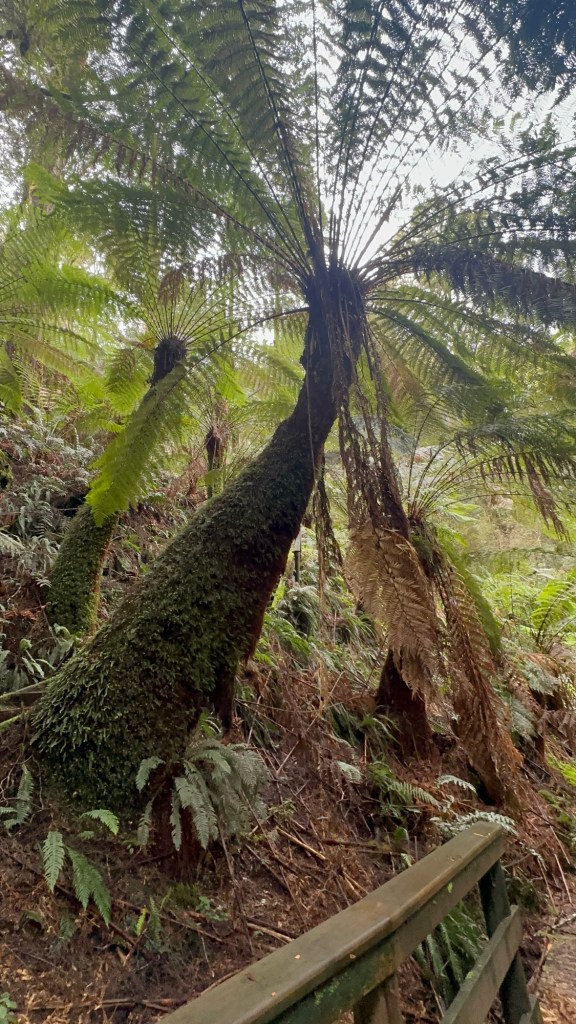
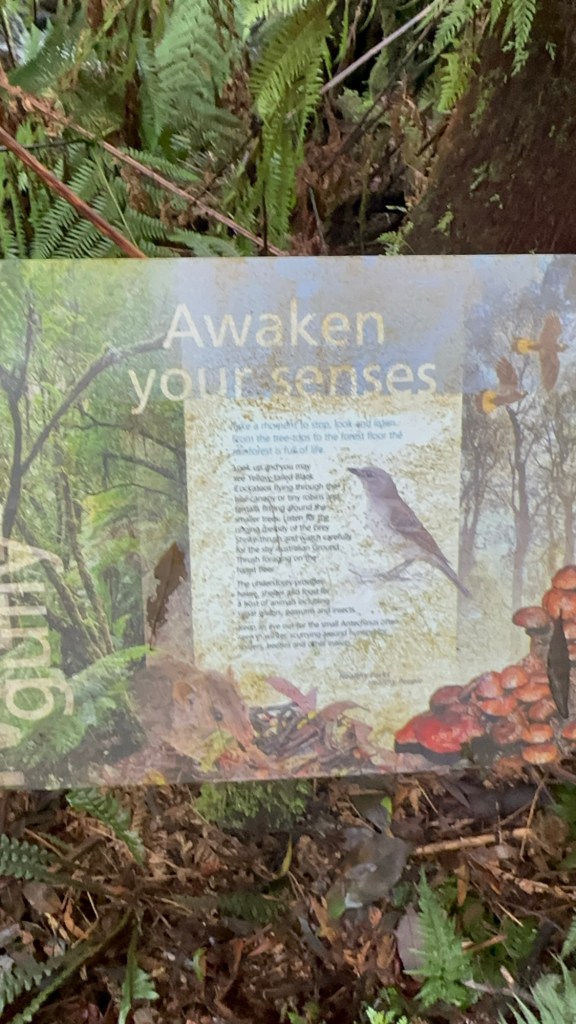
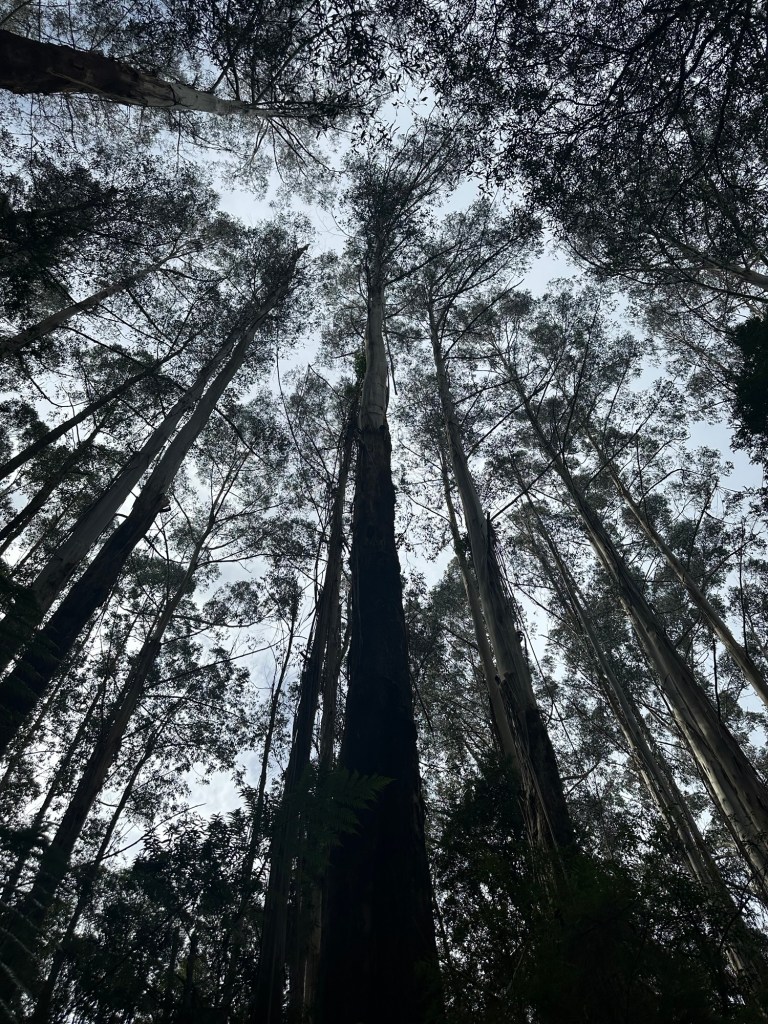
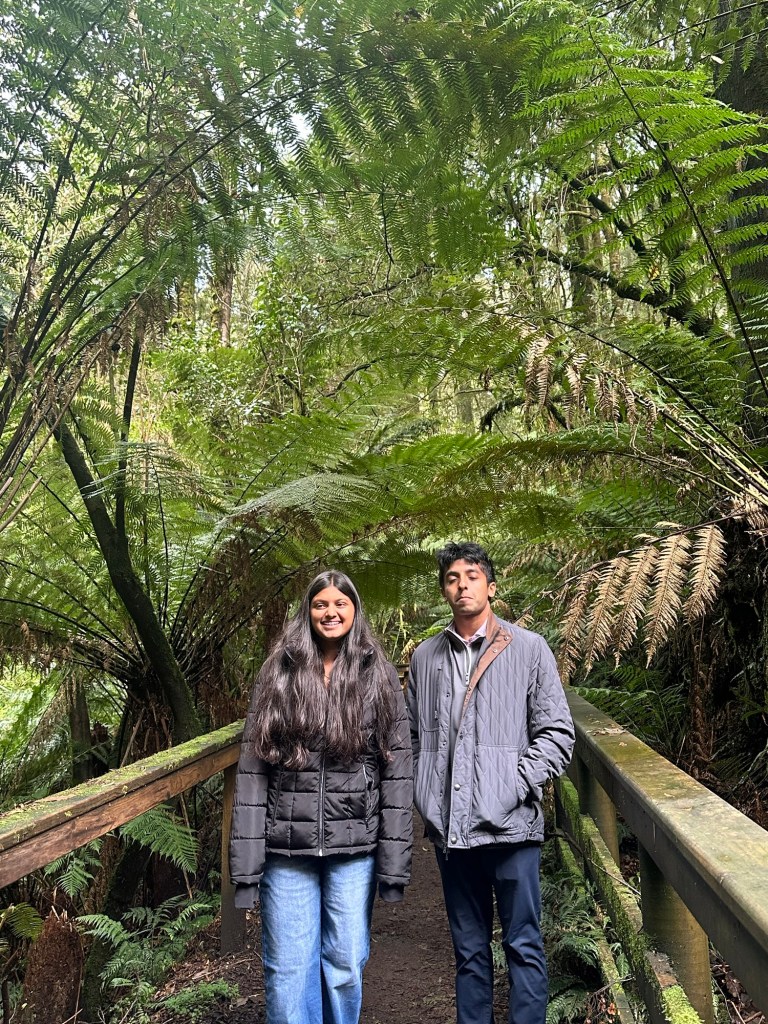
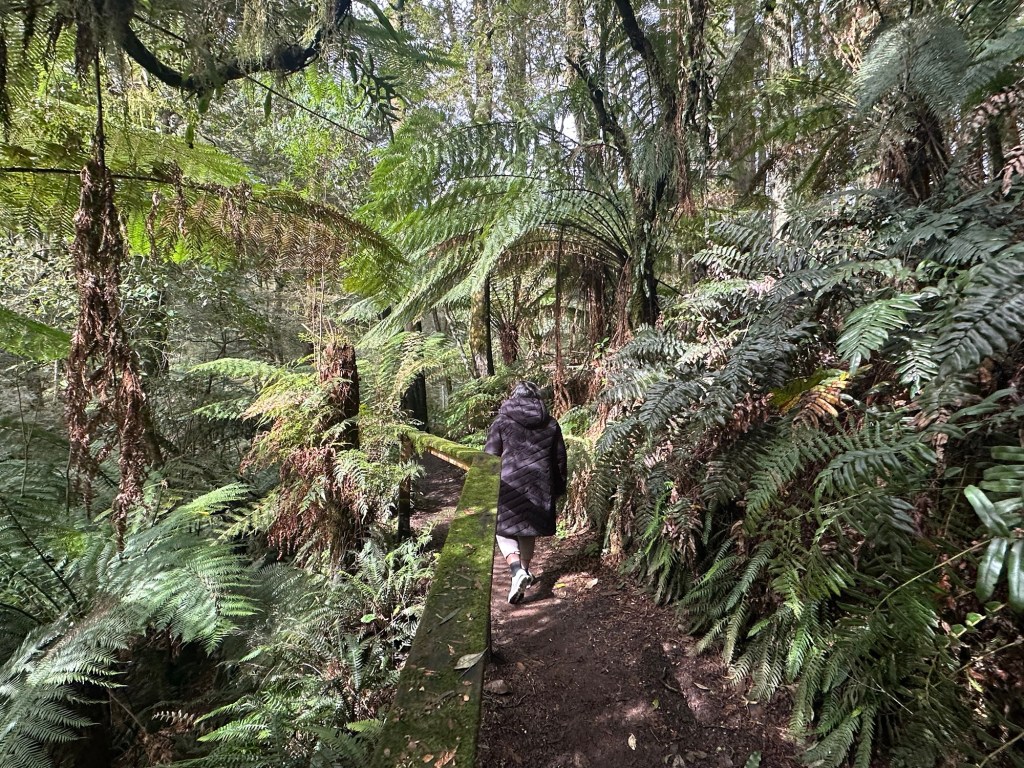
Instead of beaches and limestone cliffs, we were suddenly surrounded by a cool temperate rainforest filled with giant tree ferns, mosses, tall trees and dense vegetation.
Walking through the forest, you could smell the eucalyptus.
The air felt incredibly clean, cool and fresh—the type of place where you instinctively stop and take one long, deep breath.
[ 📸 PHOTO — Family Walking Through Rainforest ]
The Otways demonstrate something visitors can easily miss about Australia: the country isn’t simply beaches and desert. Within a few hours of Melbourne, you can travel from urban landscapes to farmland, dramatic coastline and dense temperate rainforest.
🐨 Seeing Koalas in the Wild
Another unforgettable experience was seeing one of Australia’s most famous animals living completely in the wild.
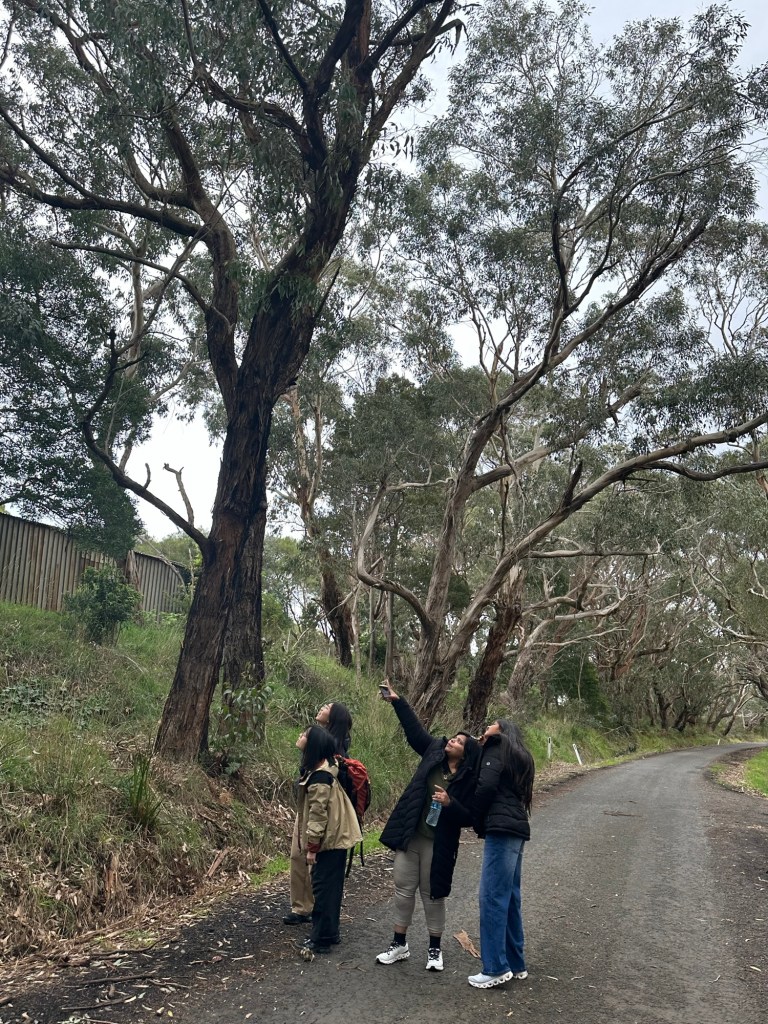
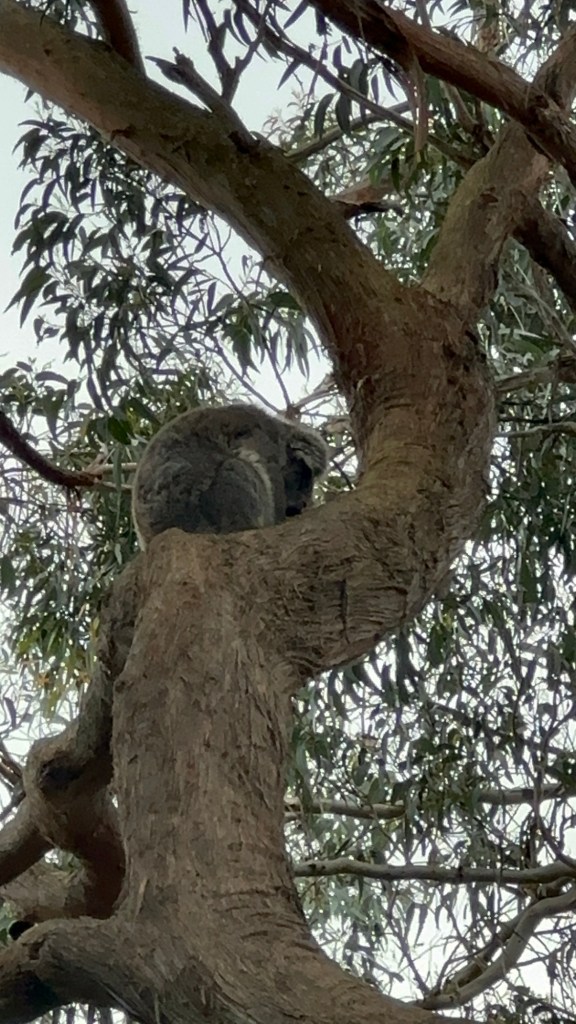
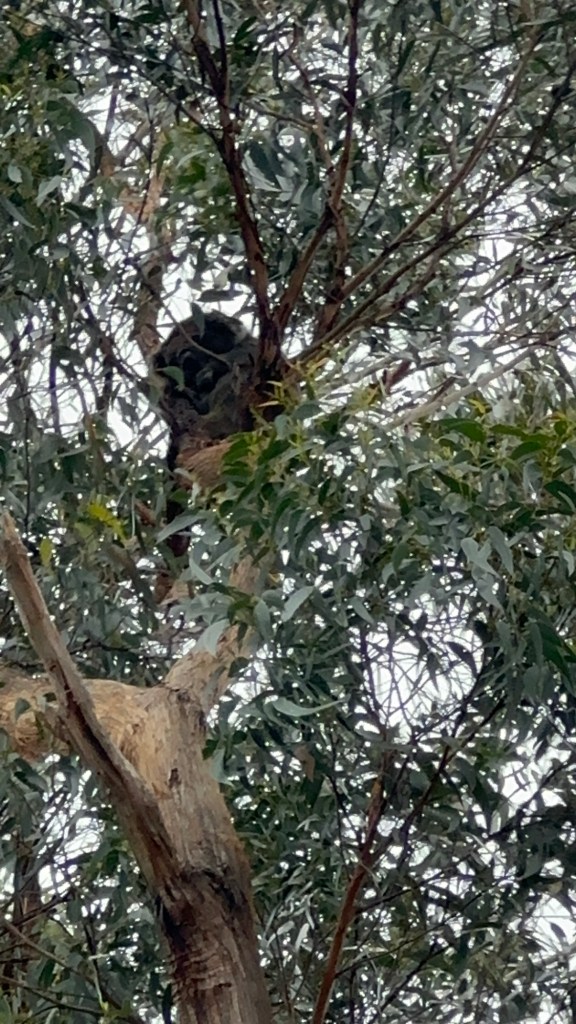
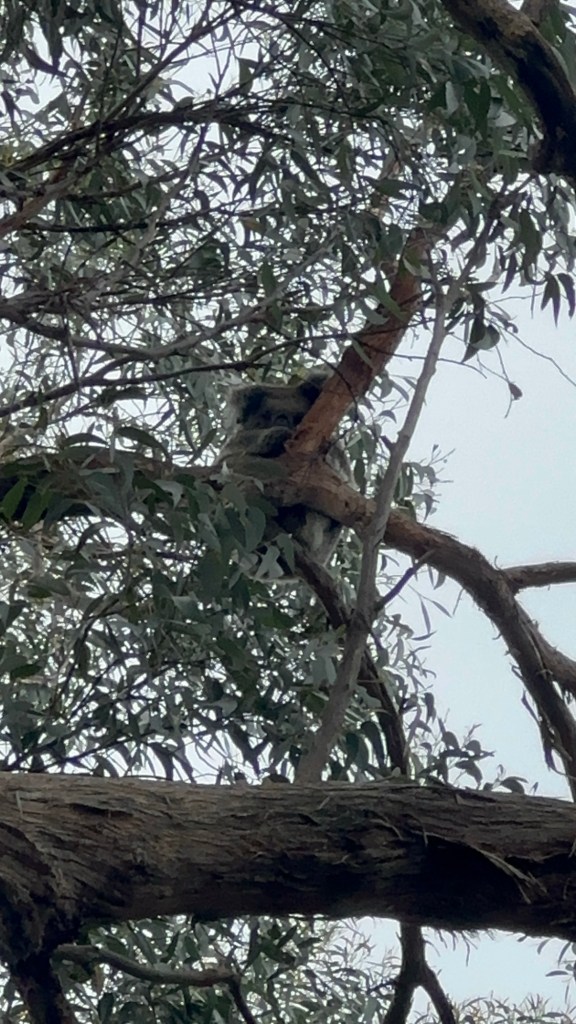
During our journey, we managed to spot at least four koalas among the eucalyptus trees.
[ 📸 PHOTO — Wild Koala ]
We had already learned quite a bit about koalas during our Australian trip, but seeing them naturally living high in eucalyptus trees was completely different from seeing them in a wildlife sanctuary.
Koalas spend much of their day sleeping or resting because eucalyptus leaves provide relatively little energy.
That also means spotting them can be difficult—you have to look carefully into the branches.
Finding four made this an especially memorable wildlife experience.
🏖️ Apollo Bay — A Beautiful Coastal Town
Along the journey we also stopped at Apollo Bay, a picturesque seaside town positioned between the Southern Ocean and the Otway Ranges.
[ 📸 PHOTO — Apollo Bay ]
Historically, the area developed around industries such as fishing, timber and agriculture. Today, tourism is an important part of the local economy because Apollo Bay has become one of the principal stopping points along the Great Ocean Road.
We stopped here for lunch and enjoyed some time in the town before continuing our journey.
Throughout the day we also had smaller stops for breakfast, food, photographs and viewpoints, which helped break up what otherwise would have been a very long drive.
🍫 Finishing the Journey With Chocolate
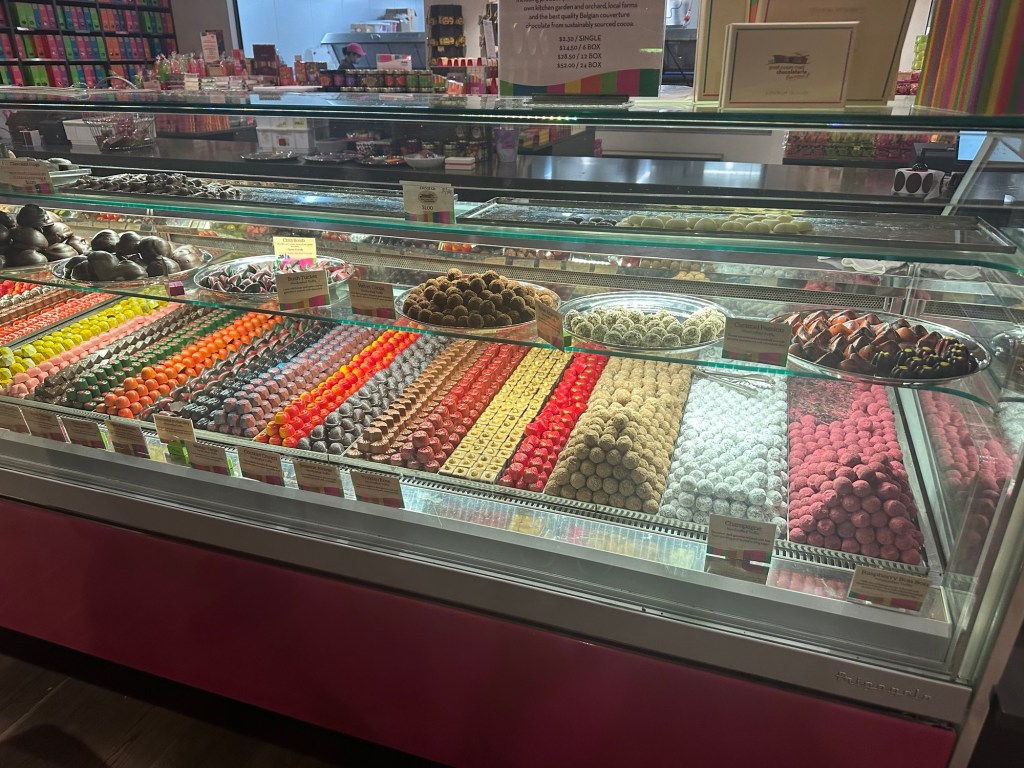
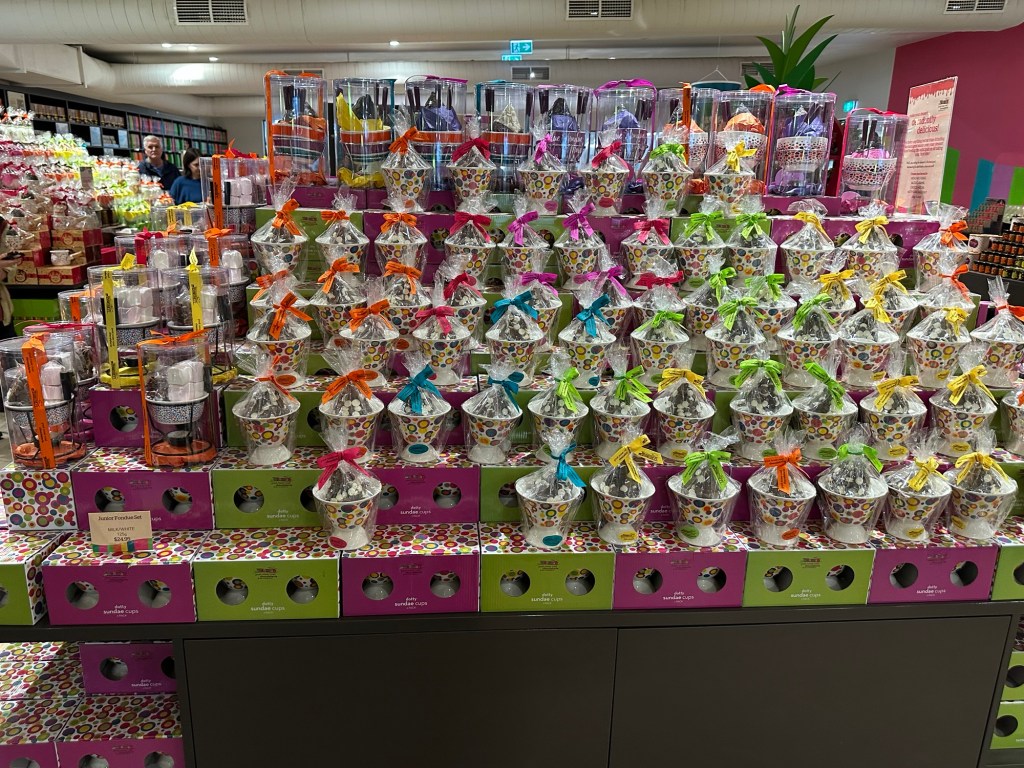
After hours of cliffs, rainforest, wildlife and history, our final experience was considerably sweeter—a stop at a local chocolate factory.
[ 📸 PHOTO — Chocolate Factory ]
There was an enormous variety of specialty chocolates, including some amazing-looking chocolate nuggets and unusual flavors.
After considerable deliberation, we selected about six different specialty chocolates to take with us.
It was a perfect—and delicious—way to finish the journey.
❤️ More Than Just a Scenic Drive
By the time we returned to Melbourne, we had been traveling for nearly 11 hours.
But the Great Ocean Road turned out to be much more than the beautiful drive we had expected.
In one day, we experienced:
🌊 The Twelve Apostles and millions of years of geology
⚓ Loch Ard Gorge and Australia’s Shipwreck Coast
🎖️ The remarkable World War I history behind the Great Ocean Road
🌿 The cool temperate rainforest of Great Otway National Park
🐨 Four koalas living naturally in the wild
🏖️ The charming seaside town of Apollo Bay
🍫 And finally, some excellent Australian chocolate!
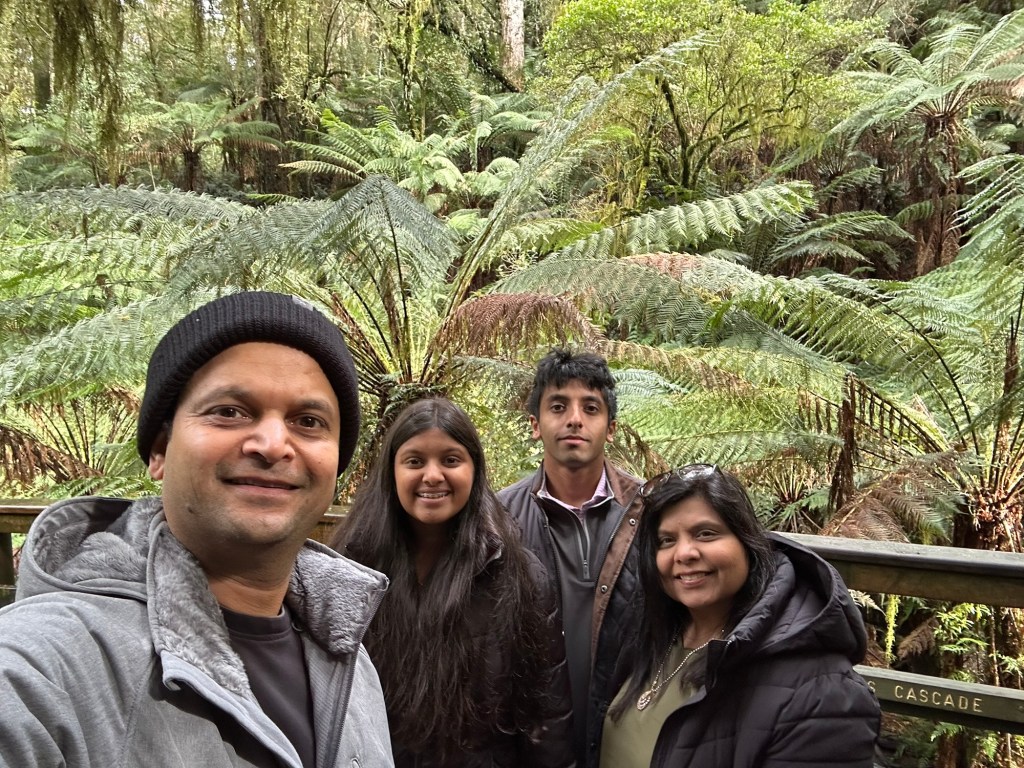
[ 📸 PHOTO — Favorite Family Photo From the Day ]
Perhaps the most memorable part was seeing how dramatically Australia can change within a relatively short distance—from the enormous waves of the Southern Ocean, to limestone cliffs millions of years old, to eucalyptus forests and cool rainforest.
And after learning that the road itself was constructed by thousands of Australian servicemen returning from World War I, we came away appreciating not only its natural beauty but also the remarkable human history behind it.
The Great Ocean Road was easily one of the highlights of our journey through Australia. 🇦🇺
🇦🇺 Melbourne – Day 2
Cricket, Markets, Shopping & South Indian Food
Our second day in Melbourne was a wonderful mix of sports history, local culture, shopping, and good food. We started the day at one of Australia’s most iconic sporting venues—the Melbourne Cricket Ground—and ended it with one of my favorite cuisines!
🏏 1. Melbourne Cricket Ground (MCG)
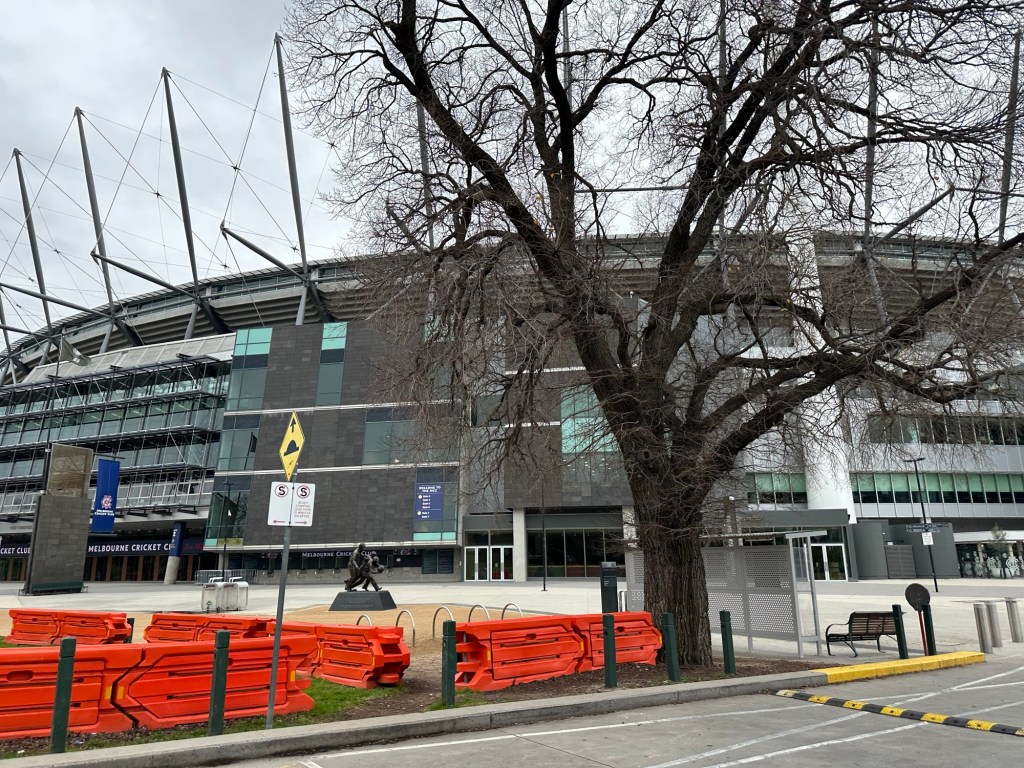
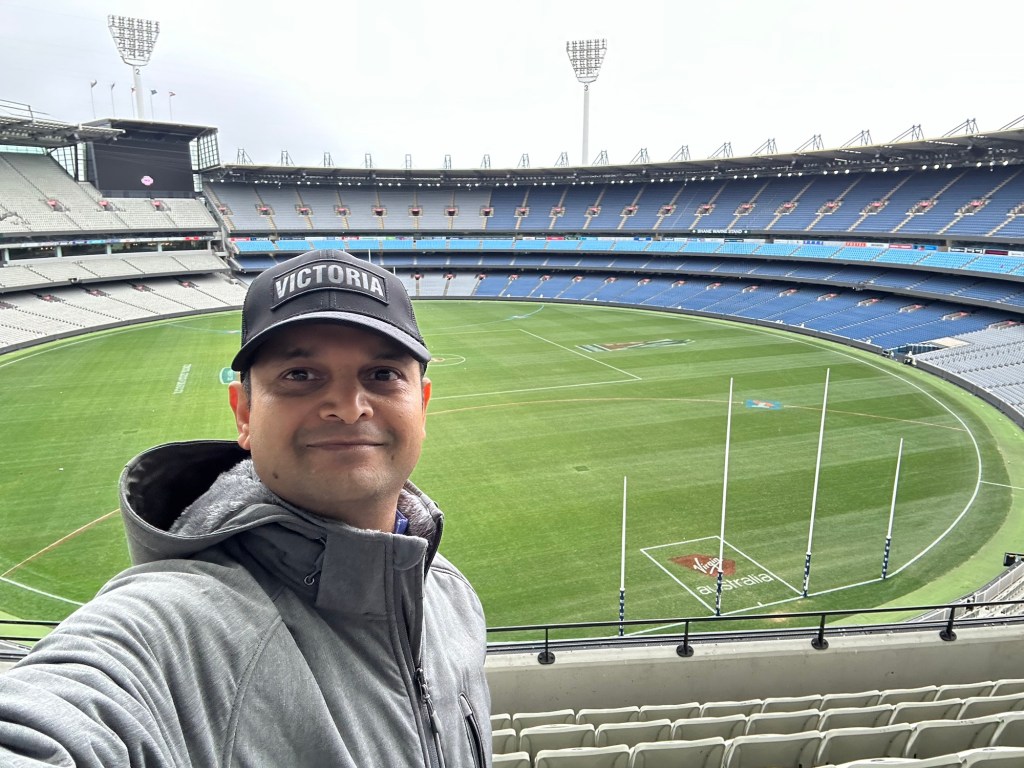
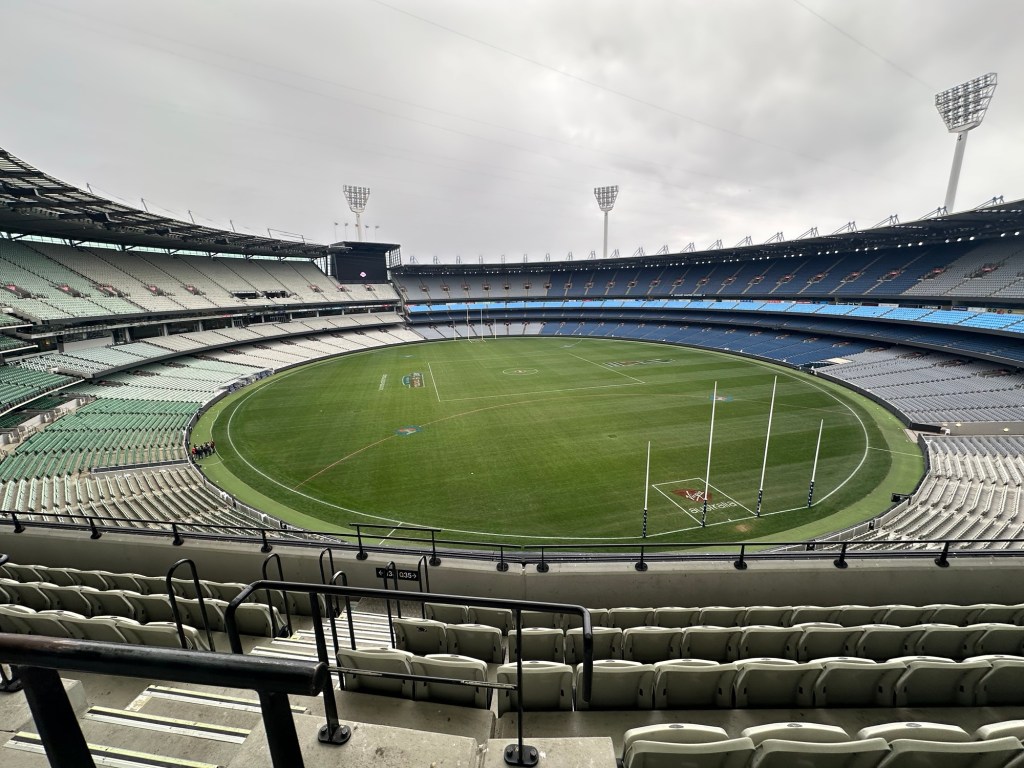
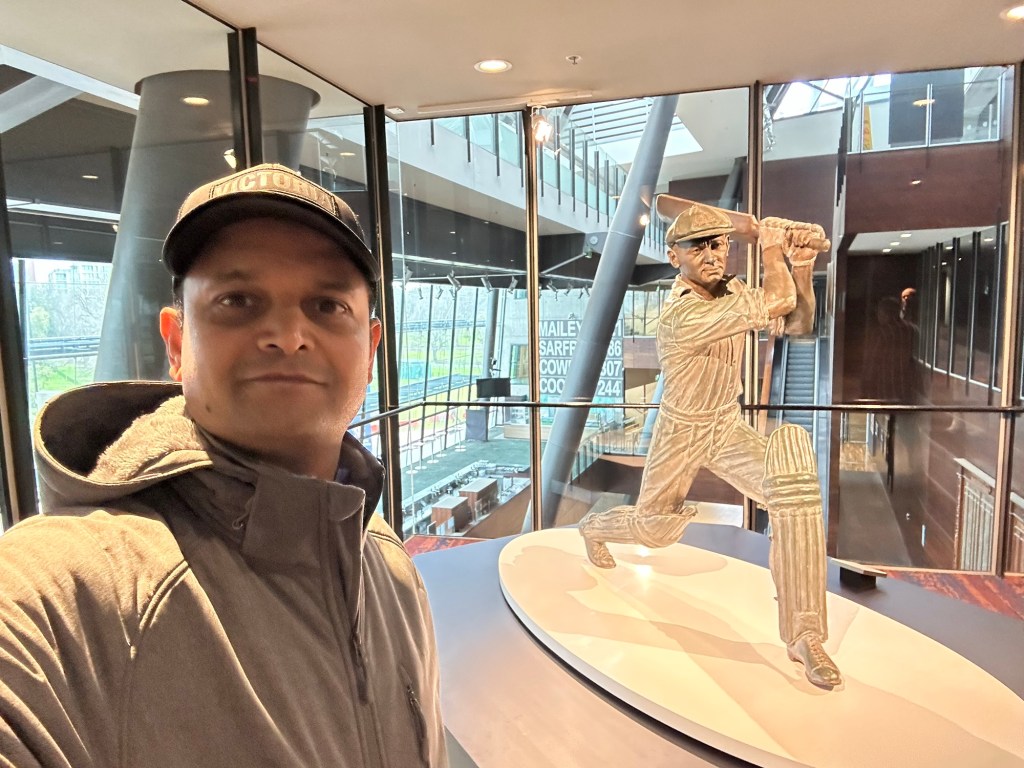
We started our day with a tour of the famous Melbourne Cricket Ground (MCG). Being cricket lovers, walking through this historic stadium was a special experience.
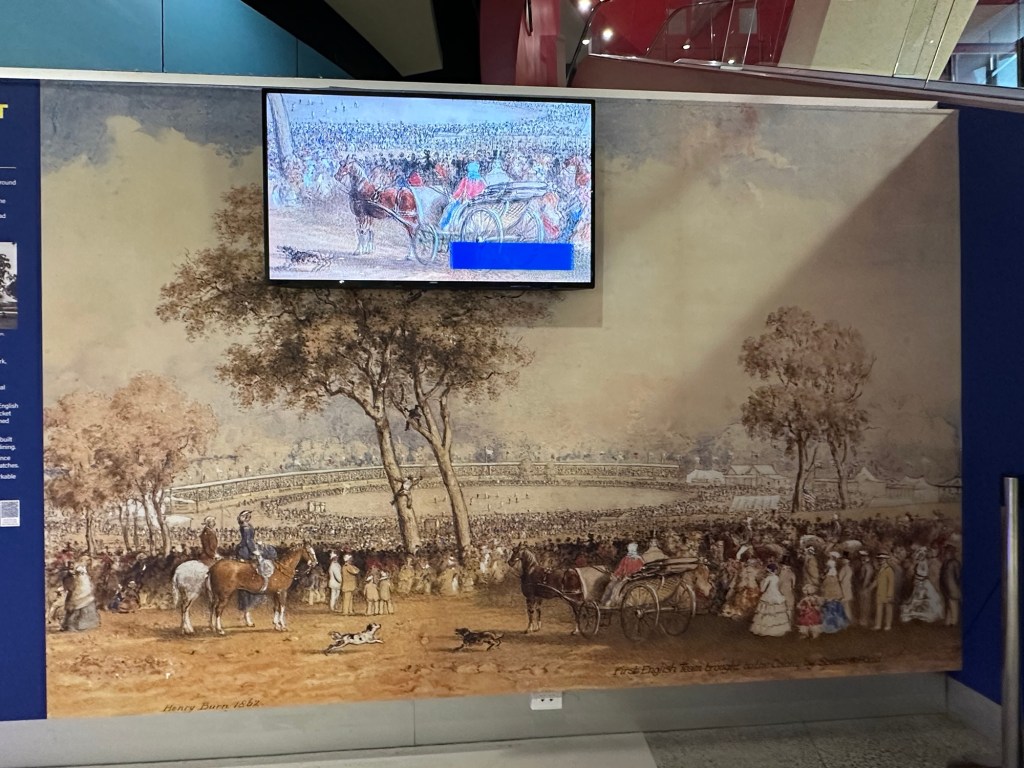
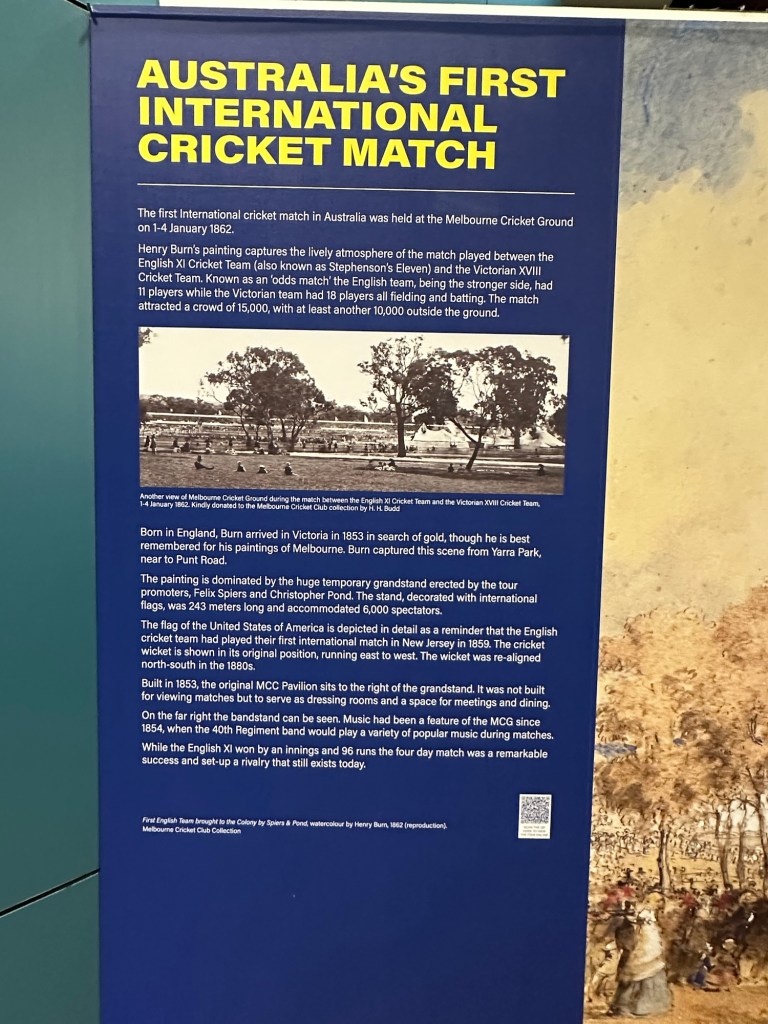
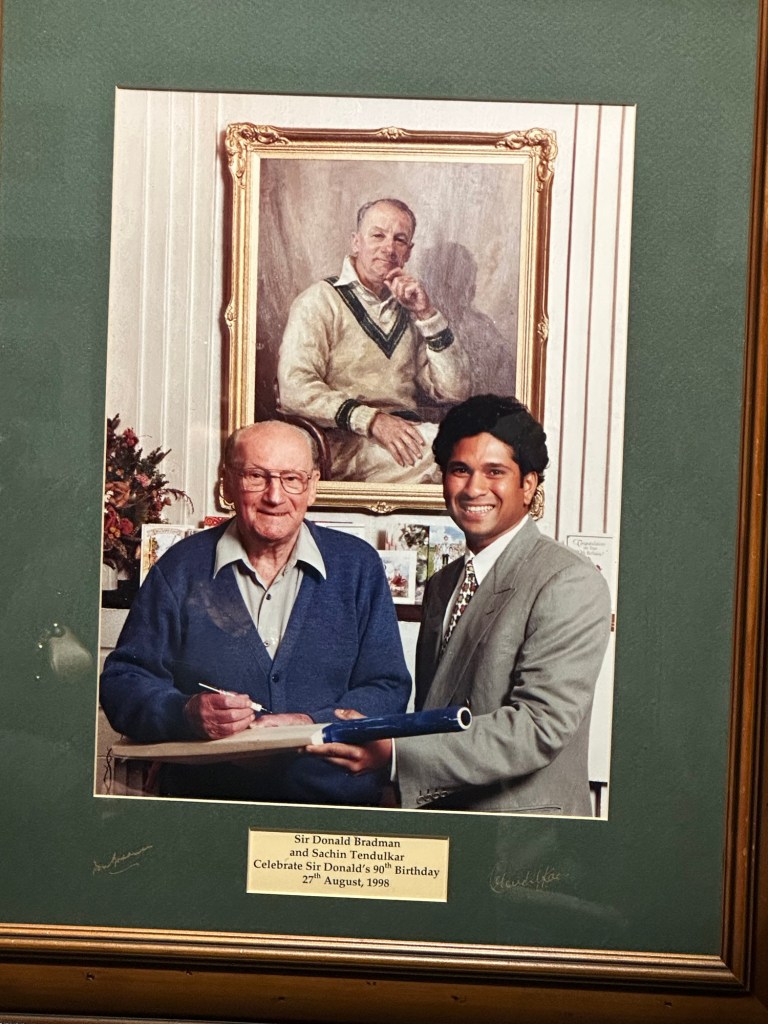
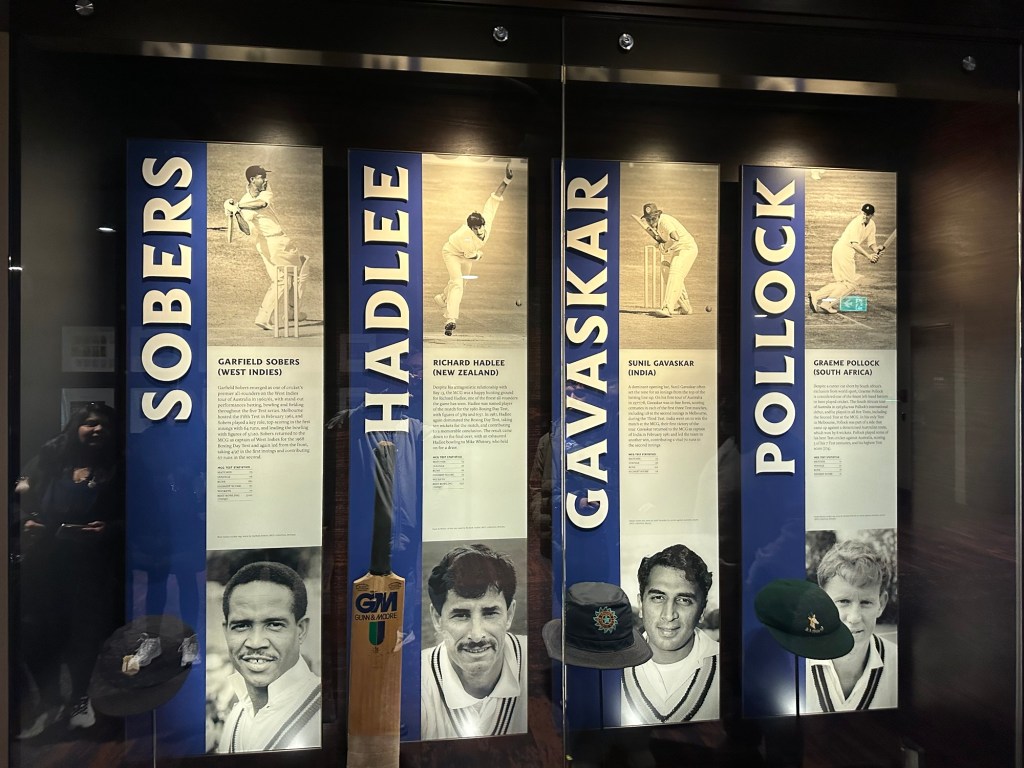
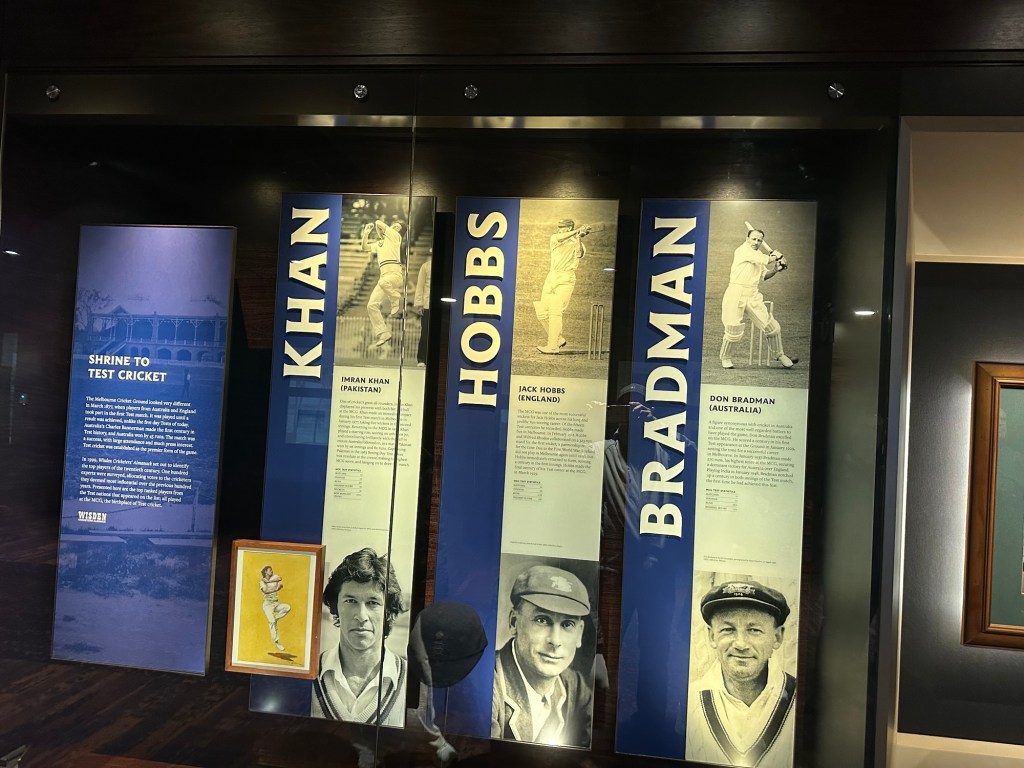
It was fascinating to learn just how old the MCG is, with its history going all the way back to the 1850s. During the tour, seeing the names and records of legendary Indian cricketers such as Sunil Gavaskar, Sachin Tendulkar, Virender Sehwag, and many others brought back so many memories and made the experience quite nostalgic.
Standing inside such an iconic stadium and imagining some of the great matches that have been played here was definitely one of the highlights of Melbourne.
💡 Interesting Fact: The MCG hosted the first-ever Test match in cricket history, played between Australia and England in 1877!
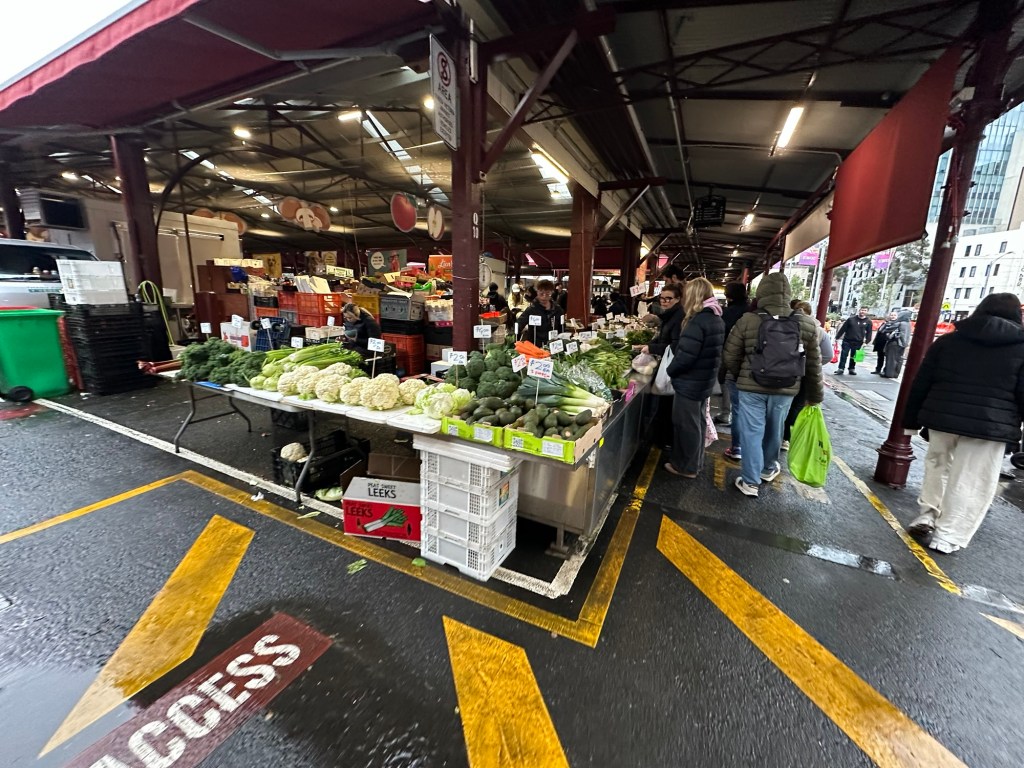
After our MCG tour, we headed to the famous Queen Victoria Market.
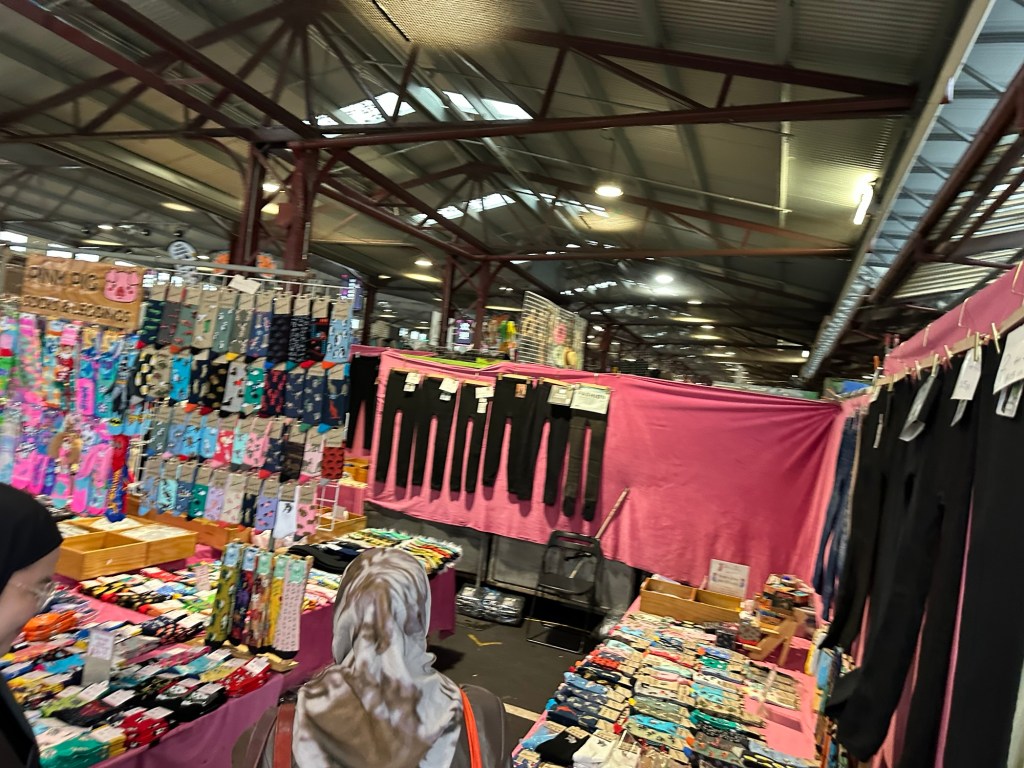
We have visited many markets during our travels, including markets in Switzerland, London, and other parts of Europe, but Queen Victoria Market felt different. It was one of the biggest and most lively markets we have experienced.
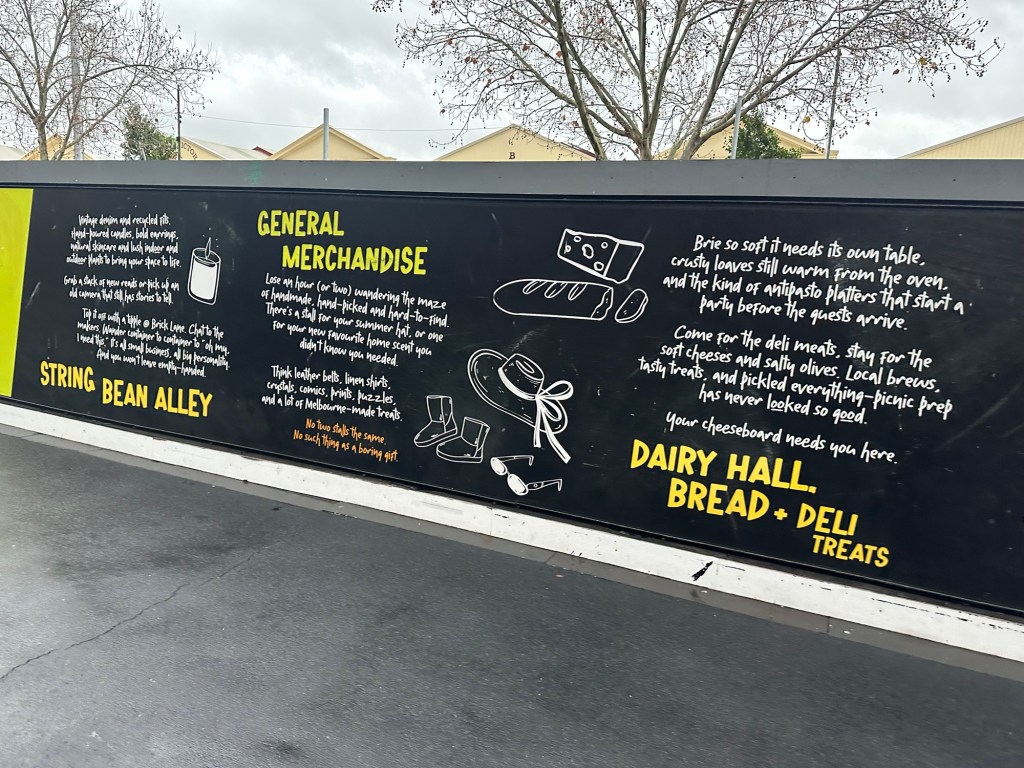
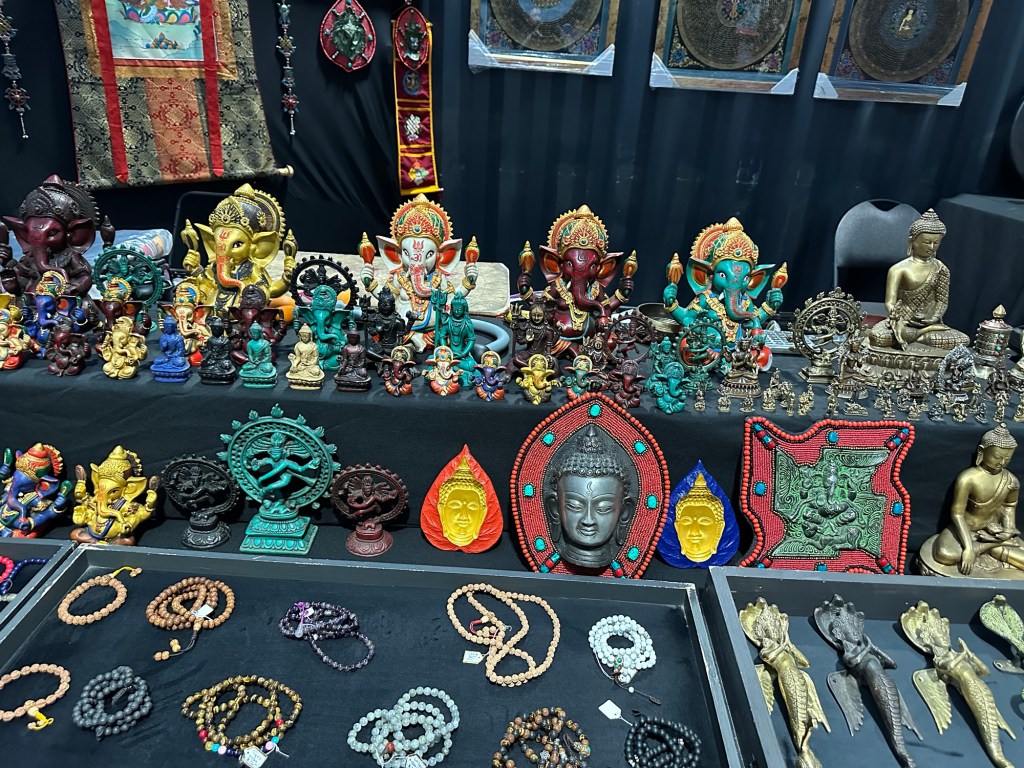
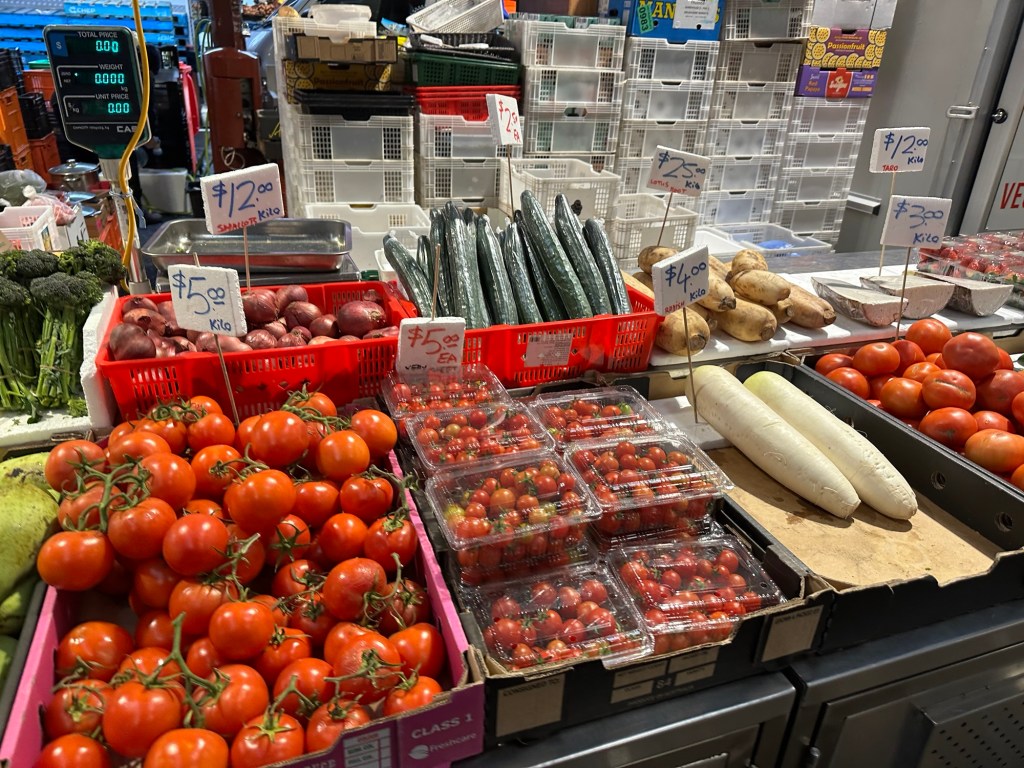
What we really enjoyed was that this wasn’t simply a tourist market—it felt like a true local market. People were shopping for fresh fruits and vegetables, food and everyday items, while other sections were filled with clothes, souvenirs, decorations, handicrafts, and Indigenous Australian products.
Walking through the different sections and experiencing the energy of the market gave us another glimpse into everyday Melbourne life.
📸 [PHOTOS – Queen Victoria Market / fresh produce / market stalls]
🛍️ 3. Outlet Mall Shopping
From Queen Victoria Market, we continued our day with some shopping at the outlet mall.
After all the sightseeing over the past few days, this was a nice change of pace. We spent some time walking around the stores, checking out the Australian and international brands, and, of course, doing a little shopping!
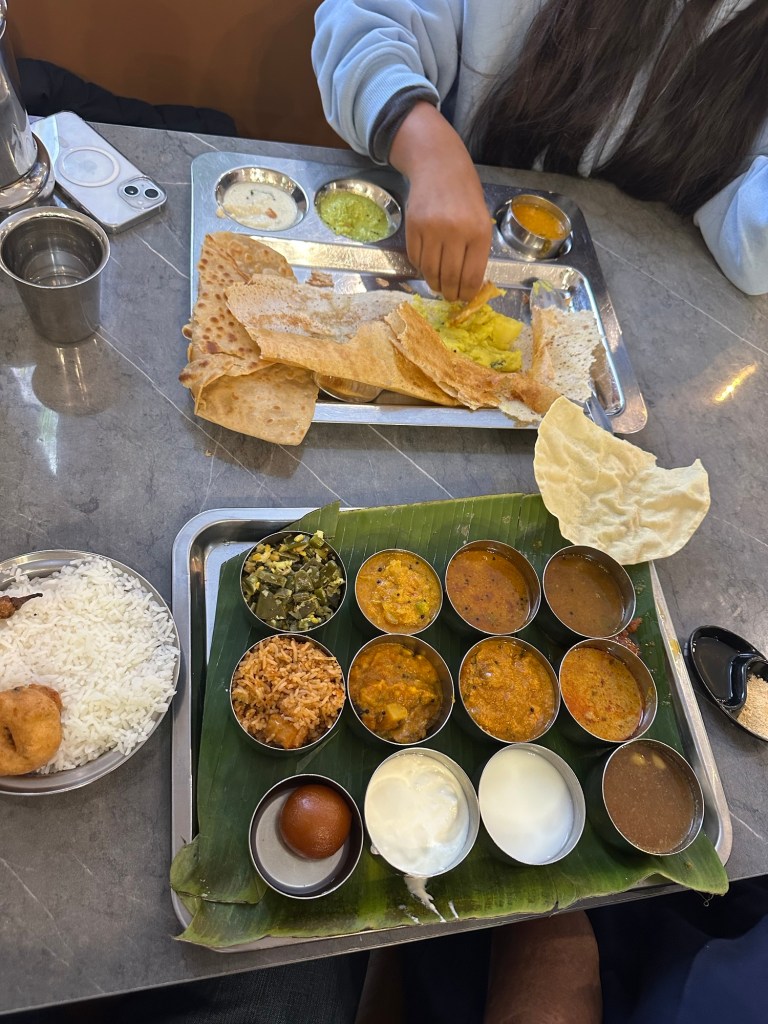
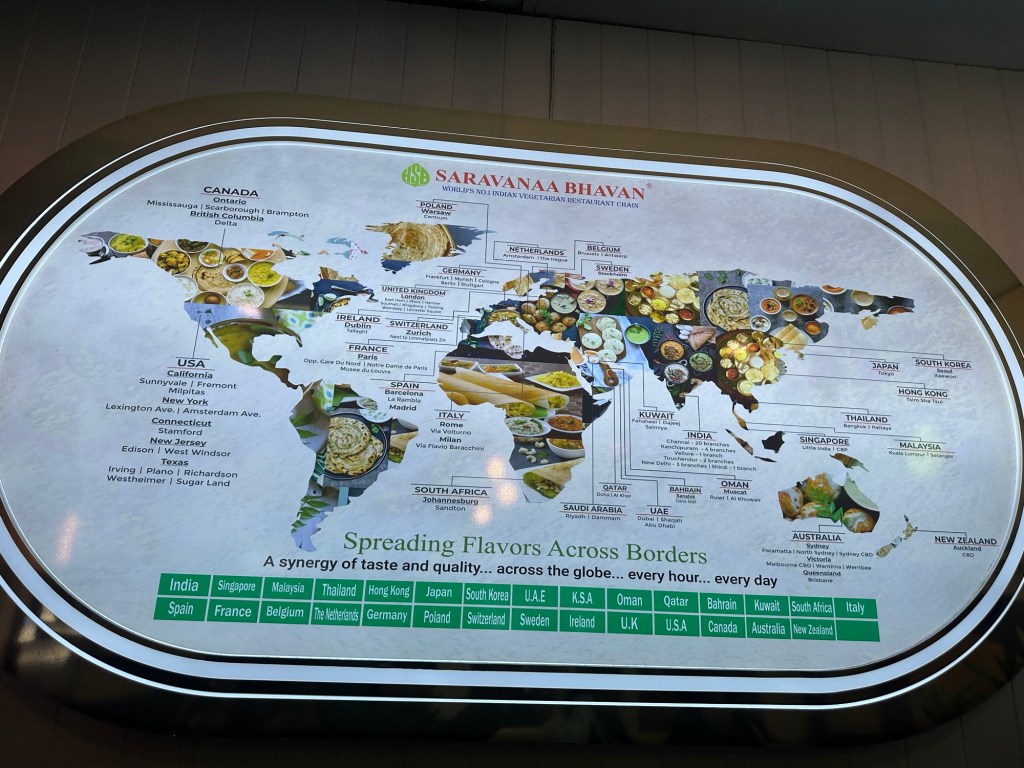
🥘 4. Dinner at Saravanaa Bhavan– A popular South Indian Restaurant!
We finished our busy Melbourne day with dinner at Saravanaa Bhavan. This restaurant chain has stores in 29 countries!
After days of traveling, sightseeing, and eating different cuisines, having a proper South Indian meal was incredibly satisfying. South Indian food is one of my favorites, so ending the day with familiar flavors, dosa and other traditional dishes was just what I needed.
Sometimes when you’re traveling, a simple meal that tastes like home becomes one of the most satisfying parts of the day!
📸 [PHOTOS – Dinner / dosa / South Indian dishes]
❤️ Another Memorable Day in Melbourne
From experiencing the history of the MCG, to walking through the bustling Queen Victoria Market, doing some outlet shopping, and finally enjoying a comforting South Indian dinner, Day 2 gave us another wonderful mix of what Melbourne has to offer.
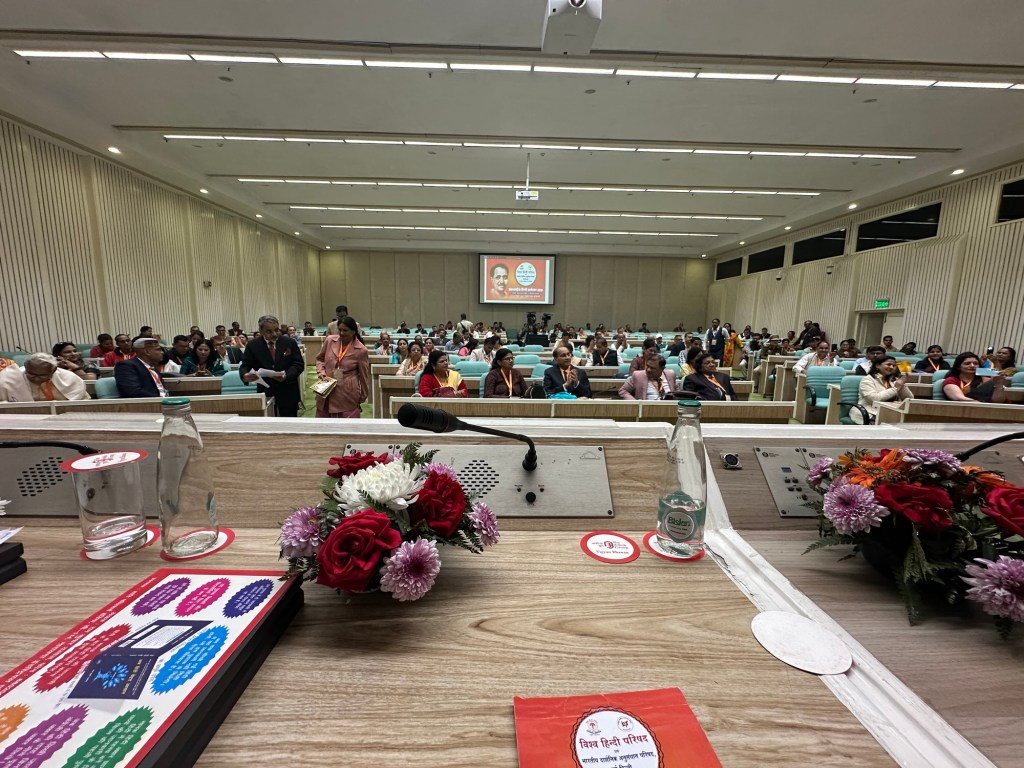
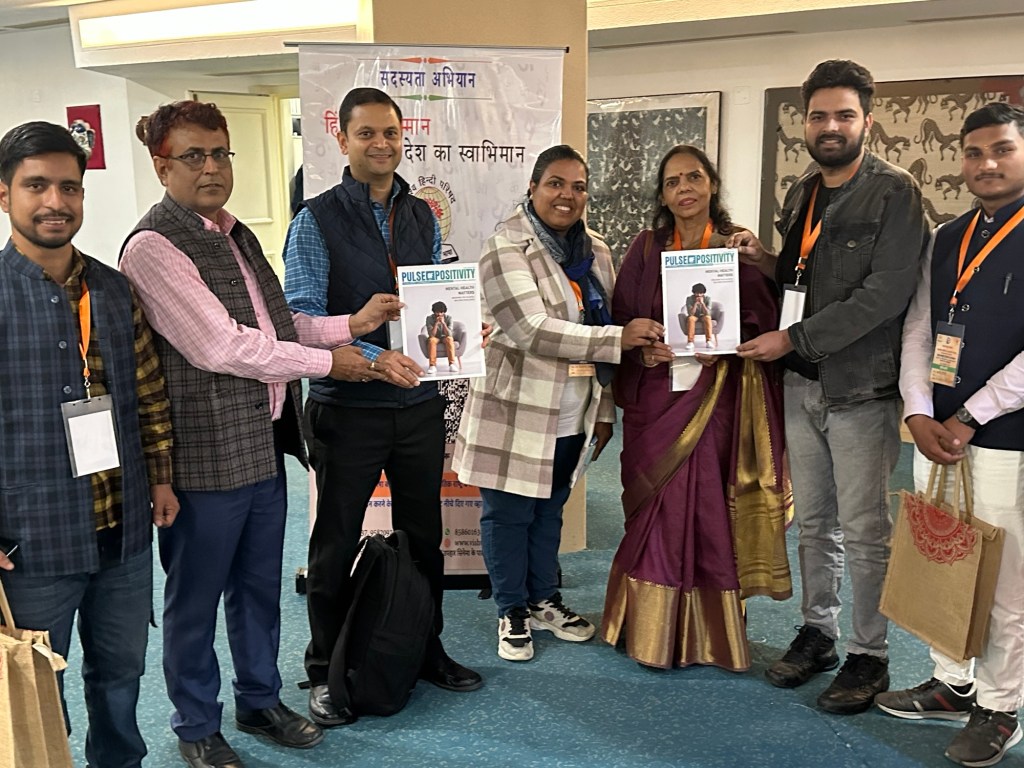
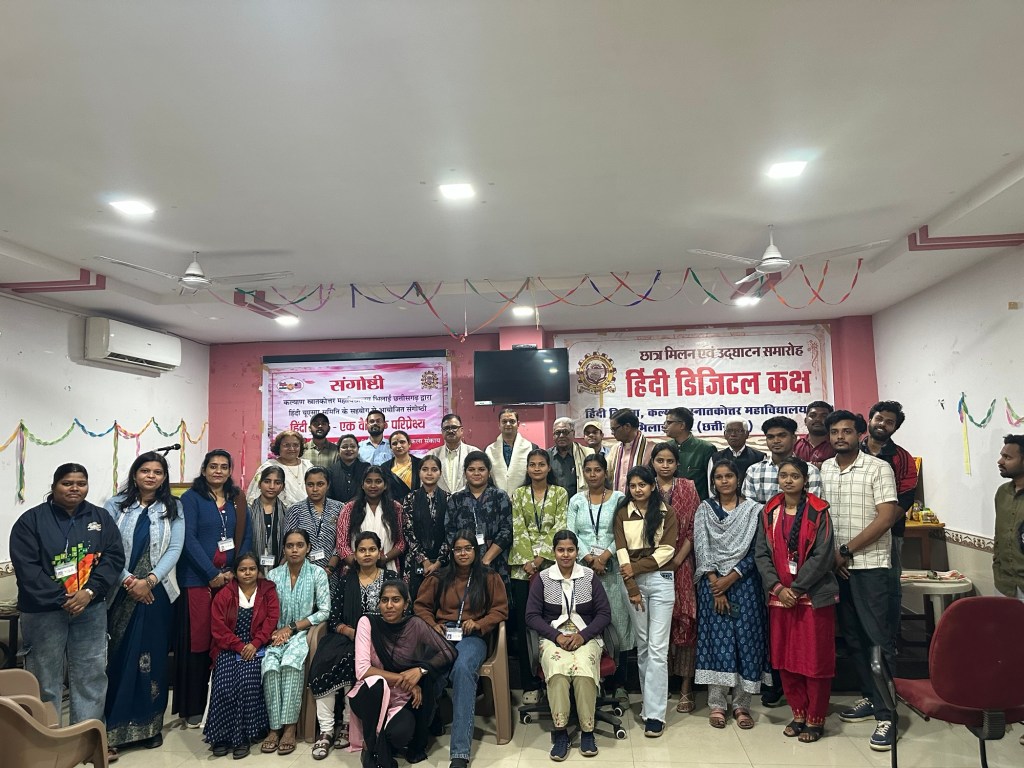
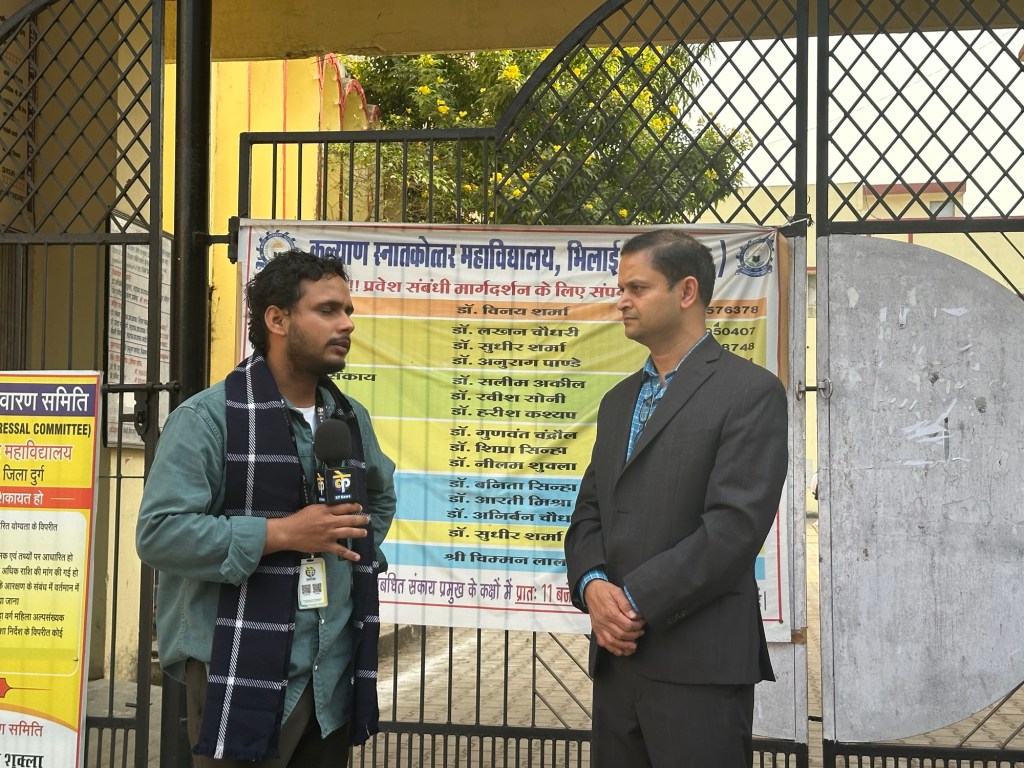
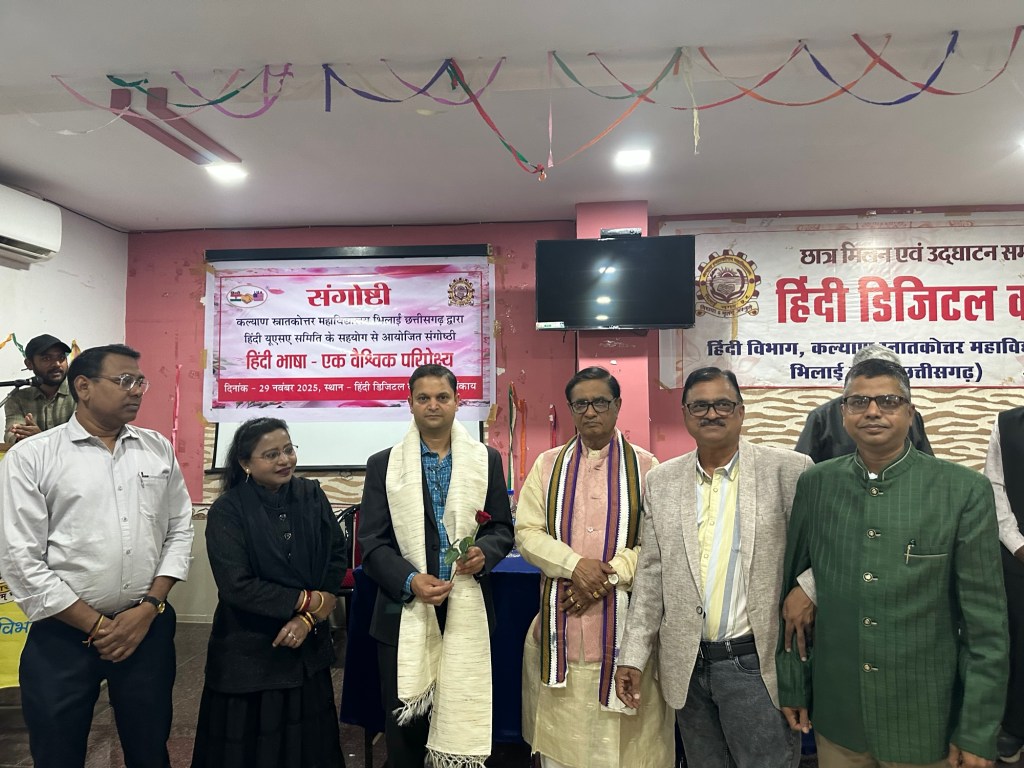
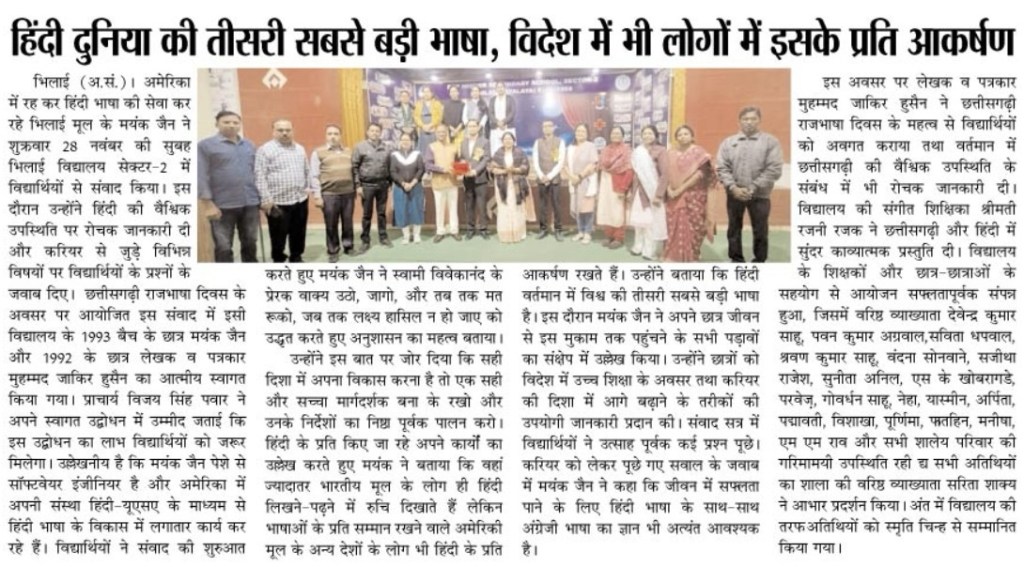
रायपुर, छत्तीसगढ़ — हिन्दी भाषा की बढ़ती वैश्विक पहचान और प्रवासी भारतीयों की भूमिका पर हाल ही में आकाशवाणी रायपुर में एक विशेष संवाद आयोजित किया गया। इस कार्यक्रम का संचालन सुश्री ममता सोनी जी ने किया, जिसमें हिन्दी के अंतरराष्ट्रीय विस्तार, शिक्षा और सांस्कृतिक महत्व पर विस्तृत चर्चा हुई।
संवाद के दौरान यह बताया गया कि हिन्दी आज केवल भारत की भाषा नहीं रह गई है, बल्कि विश्व के कई देशों में बसे भारतीय समुदाय के माध्यम से तेजी से फैल रही है। अमेरिका सहित कई देशों में सामुदायिक संस्थाओं और स्वयंसेवकों के प्रयासों से बच्चों और युवाओं को हिन्दी सिखाने की पहल लगातार बढ़ रही है।
चर्चा में यह भी उल्लेख किया गया कि हिन्दी का लचीला स्वरूप, जिसमें अंग्रेज़ी और अन्य भाषाओं के शब्दों का सहज उपयोग होता है, इसे वैश्विक स्तर पर और अधिक प्रासंगिक बनाता है। डिजिटल मीडिया, सोशल मीडिया और सांस्कृतिक कार्यक्रमों के माध्यम से भी हिन्दी की पहुँच लगातार बढ़ रही है।
इस संवाद ने यह स्पष्ट किया कि प्रवासी भारतीय समुदाय, शिक्षकों और सांस्कृतिक संगठनों के सामूहिक प्रयासों से हिन्दी भाषा विश्व मंच पर अपनी मजबूत पहचान बना रही है और आने वाली पीढ़ियों को अपनी भाषा और संस्कृति से जोड़ने में महत्वपूर्ण भूमिका निभा रही है।
Artificial Intelligence Based Software Development
Over the last few years, cloud adoption has already transformed how organizations build and run technology. But today, something even more disruptive is happening quietly inside engineering teams: AI is changing how work itself gets done.
This shift is not only about developers writing code faster. It affects:
How environments are created
How pipelines are fixed
How infrastructure is defined
How documentation is written
How security and compliance are enforced
For Product Managers, Program Managers, Architects, and non‑coding IT roles, understanding this shift is essential—because AI is now a core participant in the delivery process.
1. From Slow Setup to Instant Development Environments
The old way
Traditionally, building a development (DEV) environment involved:
Manual setup
Multiple handoffs between teams
Long delays waiting for approvals
Trial‑and‑error debugging
The AI‑enabled way
Today, AI can:
Generate environment configurations automatically
Create Infrastructure‑as‑Code (IaC) templates
Detect errors when pipelines fail
Suggest fixes immediately
A typical flow now looks like this:
AI helps generate the DEV environment configuration
The CI/CD pipeline is executed
If errors appear, AI explains them
Engineers fix the issue (often guided by AI)
The pipeline is re‑run with confidence
This dramatically reduces time spent waiting and troubleshooting.
2. Why Companies Are Giving Developers Access to GitHub Copilot
Organizations are broadly enabling GitHub Copilot because:
Legacy systems are hard to understand
Documentation is often missing
Experienced engineers are leaving or retiring
AI tools act as institutional memory:
Explaining old code
Suggesting modern replacements
Generating tests for fragile systems
Reducing the risk of breaking production systems
Copilot is no longer “just autocomplete.” It is becoming a modernization assistant.
3. Windsurf: The AI‑First Development Environment
Alongside Copilot, many enterprises are adopting Windsurf (formerly Codeium).
What makes Windsurf different?
It is an AI‑first IDE, not just a plugin
It supports long‑running AI workflows
It includes an AI chat panel directly in the editor
It emphasizes security, documentation, and structure
With Windsurf:
Code is generated with context
Files are named correctly
Documentation is produced automatically
Architecture phases are clearly explained
This is especially valuable in large, regulated enterprises.
4. The New Development Model: Spec‑Driven Development (SDD)
A major shift is underway in how software is built.
The new standard flow
Define Specification
→ AI Generates Code
→ Review & Testing
→ Refine Specification or Code
→ Build Next Feature
This approach is known as Spec‑Driven Development (SDD) and is widely discussed by organizations like Thoughtworks and InfoQ.
Why this matters
Humans focus on intent and design
AI focuses on implementation
Reviews and testing ensure quality
Specifications become the source of truth
This replaces older Waterfall‑style SDLCs and even improves upon Agile by reducing waste.
5. Why “Prompt → Code” (Vibe Coding) Failed at Scale
Early AI adoption relied on simple prompts like:
“Write me a web service.”
This worked for demos—but failed in real enterprises due to:
Context loss between iterations
Architectural drift
Security blind spots
Compliance issues
SDD solves this by grounding AI in clear, structured specifications instead of casual prompts.
6. Real Enterprise Use Cases Where AI Delivers Value
a. On‑Prem to .NET or SQL Server Upgrades
AI helps:
Understand legacy logic
Generate modernization plans
Reduce regression risk
b. Broken CI/CD Pipelines
AI can:
Analyze pipeline failures
Suggest fixes
Restore automation
Reduce manual deployments
c. Constant Patching and Vulnerabilities
AI accelerates:
Security fixes
Dependency updates
Validation through testing
7. Azure Migration Goals Enabled by AI
Organizations migrating to Azure often aim to:
Improve infrastructure and platform maturity
Expand containerized .NET workloads
Adopt serverless architectures
Implement Infrastructure as Code (Terraform)
Enable container security (e.g., Wiz scanning)
Enforce layered security (private endpoints, WAF, no public access)
Standardize logging and monitoring (Serilog, Application Insights)
AI significantly reduces the effort needed to achieve these goals.
8. Infrastructure‑as‑Code (IaC): How AI Changes the Timeline
What early AI‑assisted commits look like
AI generates Terraform or ARM templates
Teams still require review and approvals
Architecture boards validate designs
What changes over time
Hand‑coding becomes rare
PowerShell scripts are AI‑generated
Learning curves flatten dramatically
Knowledge gaps disappear
You no longer need to “buy a new book” to learn every tool—AI writes the code for you.
9. Natural Language Is Becoming the New Interface
Today, users can simply say:
“Create an Azure subscription with SQL backend, private endpoints, and a Web Application Firewall.”
AI will:
Generate Terraform code
Configure networking
Apply security best practices
In 2020, this required weeks of manual coding. Today, it takes minutes.
10. Where AI Helps the Most (Enterprise Pressures)
Enterprise Pressure
Why AI Is Adopted
Legacy modernization
AI lowers risk, not just effort
Talent shortages
AI becomes institutional memory
Security exposure
Faster remediation with review gates
CI/CD fragility
AI restores automation safely
Scale constraints
Review‑centric models scale better
11. Organizational Friction Still Exists
AI does not eliminate:
Review cycles
Security approvals
Infrastructure governance
However, it reduces friction by:
Producing clearer code
Generating better documentation
Making reviews faster and safer
Improving review processes is now the next frontier.
12. How Enterprises Roll AI Out in Phases
Phase 1 – Copilot / Windsurf enabled
Phase 2 – Guardrails and security tooling
Phase 3 – Spec‑Driven Development
Phase 4 – Developers become reviewers/architects
Phase 5 – AI handles most implementation work
13. The New Developer Experience
Developers now operate across three layers:
Infrastructure provisioning (often ticket‑based)
Admin automation (SSL rotation, Key Vault tasks)
Documentation and architecture artifacts
AI assists in all three.
14. Why This Is Impressive (Even to Experienced Developers)
AI can:
Write Terraform
Create architectural documentation
Explain security layers
Generate inline comments
Review pull requests
Measure AI vs human contribution via PR analytics
Documentation quality is improving—and it outlives individual developers.
15. The Modern Tool Stack
A common AI‑enabled workflow:
Create an Azure account
Code in Windsurf
Commit to GitHub
Deploy via pipeline
Monitor via Application Insights
Conclusion: A New Way of Working
AI is not replacing people—it is changing what people focus on.
Humans now:
Define intent
Review outcomes
Make architectural decisions
AI:
Writes code
Documents systems
Fixes pipelines
Enforces consistency
This is not the future. This is already happening.